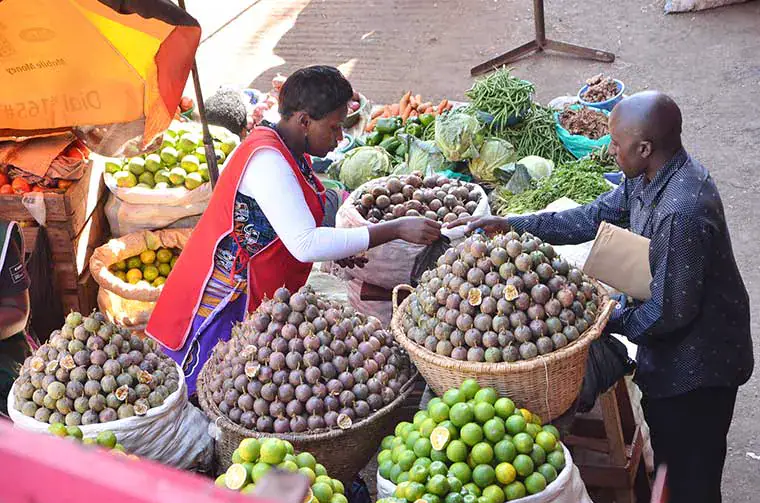
The Uganda Association of Bakers has announced an 18% increase in bread prices, from Shs 5,500 to Shs 6,500, effective November, citing rising wheat prices and fuel costs. This increase is part of a broader trend of rising food prices in Uganda, with several other food commodities also becoming more expensive. The price increase has raised concerns among civil society organisations that it could worsen the hunger crisis among communities already struggling to afford basic meals.
According to the Bank of Uganda's Monetary Policy report for October, headline inflation rose to 4.6% in September 2026 from 4.1% in August 2026, driven by higher food crop prices. Agnes Kirabo, the executive director of Food Rights Alliance, noted that food items considered affordable for low-income earners have also increased in price, pushing already struggling families to the edge. For example, a kilogramme of beans now costs between Shs 7,000 and Shs 8,000, while posho costs around Shs 4,000.
The Integrated Food Security Phase Classification (IPC) analysis released last week by the Government of Uganda and the United Nations projects that approximately 3.6 million people are facing high levels of acute food insecurity, with this figure expected to rise to 4.4 million by early next year. Kirabo warned that the growing food crisis could trigger a mental health burden among households due to anxiety and depression caused by the struggle to find daily meals.
The situation is further complicated by agricultural production challenges, including a dry spell and unusually high temperatures that have affected crops, pasture, and water sources in several parts of the country. In Karamoja, crop losses of between 50 and 70% were reported in most areas by June. Communities in Greater Masaka and Greater Luwero have also reported lost harvests, drying water sources, and livestock struggling to find pasture.
The consequences of the food crisis are particularly serious for children, with the IPC analysis projecting that approximately 122,100 children aged between six and 59 months in Karamoja will suffer acute malnutrition between March 2026 and February 2027, including 30,600 expected to experience severe malnutrition. Despite being regarded as Africa's food basket, Uganda continues to grapple with worrying levels of starvation and malnutrition.
Hon Amelia Kyambadde, the Member of Parliament for Mawokota North and chairperson of Parliament's Agriculture, Animal Industry and Fisheries Committee, called for practical innovations in farming, stronger collaboration among government agencies, and direct engagement with farmers to address the challenge. She suggested that one solution lies in bringing together different sectors, particularly agriculture, water, and health, as well as non-governmental organisations working to fight malnutrition.
Agricultural organisations are turning to technology to help farmers improve production, access markets, and strengthen household nutrition. Welthungerhilfe (WHH), together with Palm Corps, developed a digital agricultural application known as iKnowFarm, which provides farmers with information on farming practices, nutrition, pest control, and organic fertilisers. The application has reached more than 70,000 people, particularly refugees and host communities in West Nile and Karamoja.
Key points
- 3.6 million people in Uganda face high levels of acute food insecurity.
- The country's food crisis could trigger a mental health burden among households.
- Agricultural organisations are using technology, such as the iKnowFarm application, to help farmers improve production and access markets.