For over two decades, the names of Kaporo-Rails, Kipé 2, and Dimesse in Conakry's Ratoma commune have evoked painful memories of brutal forced evictions and massive destruction. In 1998, over 20,000 citizens were forcibly evicted, resulting in several deaths, injuries, and political arrests. Twenty-one years later, the situation repeated itself, with over 2,500 buildings destroyed on February 25, 2019.
The consequences of these evictions have been devastating, with many families left without homes, schools, or livelihoods. Pregnant women, elderly individuals, and children were among those severely affected, exposed to harsh weather conditions and insecurity. The trauma experienced by these individuals has been well-documented by international organizations and victim testimonies.
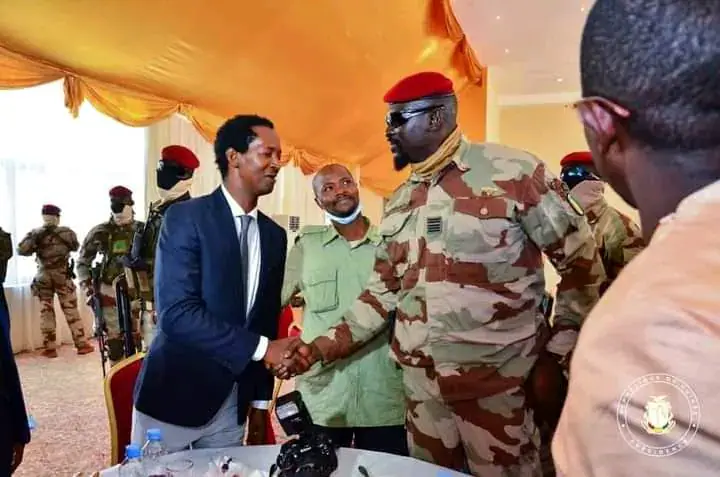
After years of exhausting judicial battles, unfruitful petitions, and unfulfilled electoral promises, the case of Kaporo-Rails, Kipé 2, and Dimesse has finally seen justice. President Mamadi Doumbouya has chosen to break with the indifference of previous regimes, opting for moral courage, republican empathy, and historical reparation.
On September 14, 2024, a significant relocation took place in Wonkifong, and on November 27, 2025, 600 land titles were handed over to victims. These actions have helped restore the dignity of those affected, demonstrating the government's commitment to acknowledging past wrongdoings and providing reparation.
The President's actions have been hailed as a crucial step towards national reconciliation. By providing compensation and recognition of the state's role in the evictions, the government has taken a vital step towards healing the wounds of the past. This move is seen as a significant departure from the impunity and indifference that characterized previous regimes.
Alpha Abdoulaye Diallo, writing in Le Populaire on November 2, 2026, praised the President's gesture, describing it as a consolatory act that will be remembered as a cornerstone of Guinea's recent reconciliation. The President's decision has been welcomed by victims and citizens alike, who see it as a crucial step towards rebuilding trust in the government.
The compensation provided to victims of the forced evictions marks a significant milestone in Guinea's journey towards justice and accountability. The government's actions demonstrate a commitment to upholding human rights and providing redress for past injustices, setting a positive precedent for the future.
Key points
- President Mamadi Doumbouya has provided compensation to victims of forced evictions in Conakry, a significant step towards healing the wounds of the past.
- The evictions, which took place in 1998 and 2019, resulted in over 2,500 buildings being destroyed and left thousands of people without homes or livelihoods.
- The President's actions have been hailed as a crucial step towards national reconciliation and a departure from the impunity and indifference of previous regimes.