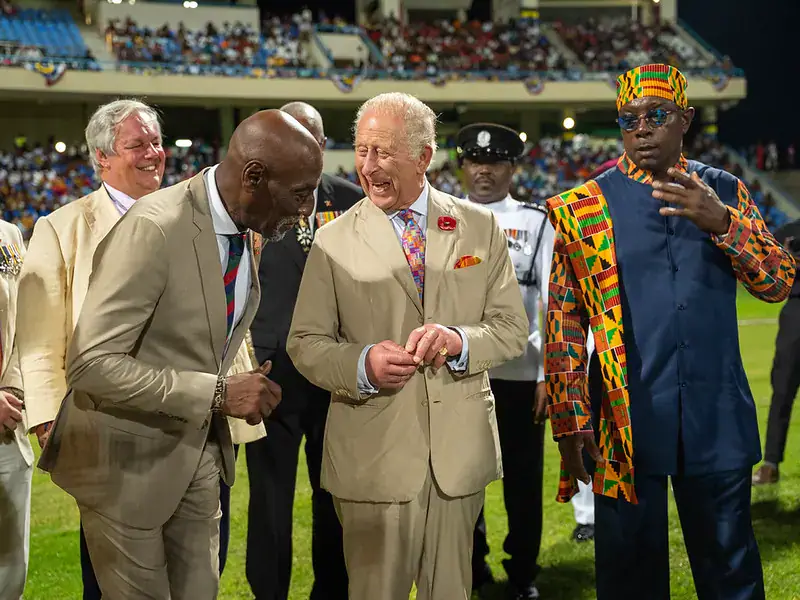
Commonwealth leaders have concluded their 28th summit with a call for structured discussions with the United Kingdom on reparations for the transatlantic slave trade. The talks, agreed to in the summit's communiqué, aim to address historical injustices and provide redress to affected countries. This development follows growing calls from African and Caribbean countries for recognition and compensation. The summit was held in St John's, Antigua and Barbuda, from 1 to 4 November 2026.
The communiqué notes that the UK has agreed to participate in a structured, time-bound, inclusive and good-faith dialogue on reparatory justice. This move follows initiatives by the African Union and the Caribbean Community to advance reparatory justice and the restitution of cultural heritage. A United Nations General Assembly resolution has also recognised the trafficking and enslavement of Africans as a grave crime against humanity. While no compensation mechanism or financial commitments have been specified, the proposed dialogue provides a framework for further engagement.
Beyond reparatory justice, Commonwealth leaders called for reforms to international financial arrangements to improve access to development and climate financing. They expressed concern that vulnerable economies, including Small Island Developing States and least developed countries, face difficulties accessing affordable financing and participating in international trade. The leaders supported reforms to debt sustainability frameworks that account for climate vulnerability.
Commonwealth countries also agreed to strengthen trade relations and reduce unnecessary barriers affecting the movement of goods and services between member states. The leaders reaffirmed their support for the World Trade Organization and called for reforms to improve the effectiveness of the multilateral trading system. They endorsed efforts to increase trade and investment within the Commonwealth through improved transport connectivity and digital infrastructure.
The summit expressed concern about growing restrictions on civic and political freedoms, including measures targeting journalists, human rights defenders and independent civil society organisations. The communiqué warns against the misuse of laws to criminalise legitimate activities and suppress dissent. Commonwealth leaders reaffirmed their commitment to implementing the 2024 Commonwealth Principles on Freedom of Expression and the Role of the Media in Good Governance.
The Commonwealth also committed to expanding access to digital infrastructure and strengthening education in artificial intelligence and emerging technologies. The leaders acknowledged that many developing countries face limited access to digital services, equipment and technical skills. They called for investment in digital education, data literacy and vocational training.
Climate change featured prominently in the discussions, with leaders reaffirming their commitment to the Paris Agreement and efforts to limit global warming to 1.5 degrees Celsius above pre-industrial levels. The Commonwealth called for greater access to climate financing, particularly for countries facing severe environmental risks and limited financial resources.
Key points
- Commonwealth leaders agree to talks with UK on slavery reparations
- Leaders call for reforms to global financial systems
- Summit expresses concern over restrictions on journalists and civic freedoms