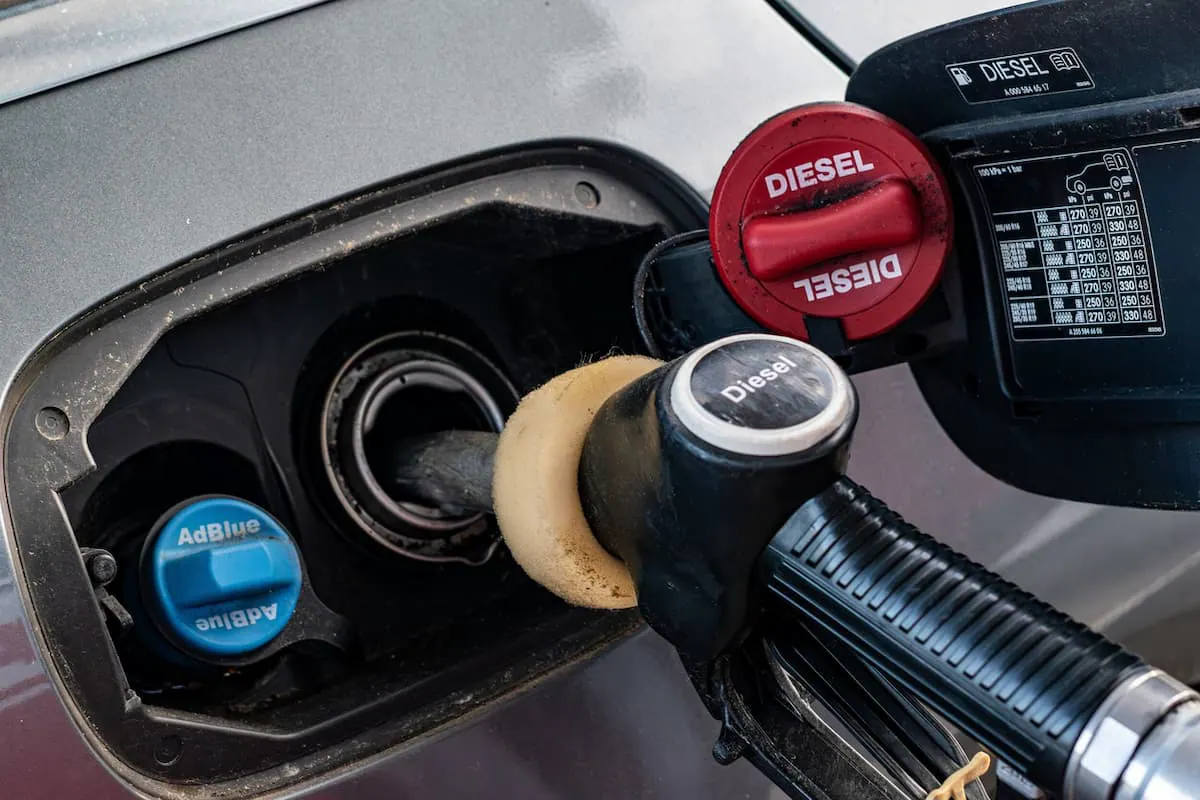
The price of diesel is skyrocketing, and this increase appears to be driven more by tensions in the finished product market rather than the crude oil market. The refining process transforms crude oil into various distinct products, including diesel, each with its own market dynamics. Currently, the global diesel market is experiencing a supply shock due to conflicts in the Middle East and Eastern Europe, which have significantly impacted refining infrastructure, shipping routes, and exports from major producers.
The supply disruptions, coupled with rigid demand, are driving up diesel prices. The demand for diesel is difficult to reduce in the short term, as it is a critical component for heavy industries such as transportation, agriculture, and logistics. This inelastic demand maintains constant pressure on prices, even during economic downturns or price hikes. Furthermore, the global market's reliance on international trade makes diesel prices highly sensitive to fluctuations in shipping logistics, transportation costs, and insurance premiums.
The situation may worsen if the United States imposes an export ban on diesel, as hinted by President Donald Trump. This move could be a response to the rising fuel prices ahead of the midterm elections. However, the impact of such a ban on global diesel prices and the subsequent effects on the US economy remain uncertain. Analysts at Morgan Stanley suggest that an export ban could initially lower diesel prices nationally but ultimately lead to higher global prices and a feedback loop on US gasoline prices.
The Tunisian economy is not immune to these developments, particularly given its significant export reliance on European markets. With over 70% of its exports going to Europe, Tunisia will feel the effects of rising diesel prices, which will likely lead to increased production costs and inflationary pressures in the region. This, in turn, could reduce consumer purchasing power and demand, ultimately affecting Tunisia's exporters and employment.
European industries, already facing challenges due to their dependence on imported diesel, will be structurally penalized compared to their American and Asian competitors, who have access to cheaper energy and refined fuels. As a result, it is crucial for Tunisia to closely monitor the situation in Europe, as it will have a direct impact on the country's exporters and employment.
The global diesel market is facing significant challenges, including supply disruptions and rigid demand. The potential US export ban on diesel adds another layer of complexity to the situation. As the situation continues to evolve, it is essential to consider the potential implications for economies, such as Tunisia, that are heavily reliant on exports to Europe.
Rising diesel prices have far-reaching consequences, including increased production costs, inflationary pressures, and potential impacts on economic growth. As the global economy continues to navigate these challenges, it is crucial to monitor the situation closely and consider the potential implications for various industries and economies.
Key points
- The surge in diesel prices in Europe is driven by supply disruptions and rigid demand.
- The potential US export ban on diesel could have significant implications for global diesel prices and the US economy.
- Tunisia's economy is vulnerable to the rising diesel prices in Europe due to its significant export reliance on the region.