A recent report by the Global Organised Crime Index has identified non-profit organisations in Ghana as presenting potential risks for money laundering and terrorist financing. This finding highlights a potential risk within the sector rather than establishing that non-governmental organisations generally engage in criminal activity. The report was funded in part by a grant from the United States Department of State.
The report notes that non-profit organisations and cash-based operations from designated businesses and professions pose risks for money laundering and terrorist financing. It also identifies shortages of specialist personnel needed to investigate and prosecute financial crimes. Ghana faces challenges with low numbers of investigators and prosecutors trained in anti-money laundering, as well as the absence of certified financial crime investigators specialised in asset forfeiture.
According to the report, while the government has tried to strengthen anti-money laundering laws, there are substantial gaps in enforcement. The assessment comes amid concerns that efforts to strengthen Ghana’s anti-money laundering framework have not been matched by effective enforcement. The report's findings are based on an evaluation of various sectors and their vulnerability to organised crime.
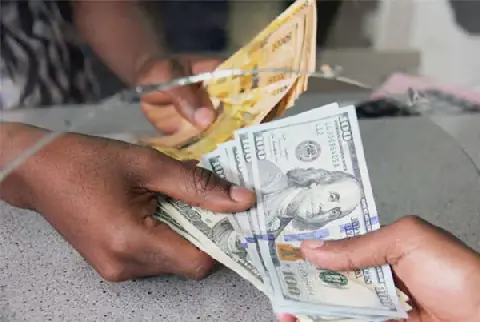
Beyond non-profit organisations, the report flags cash-based business operations as another area of exposure. It also notes that criminals increasingly use bitcoin, gift cards and other digital exchanges to launder money. This highlights the need for effective regulation and monitoring of these areas to prevent money laundering and terrorist financing.
The report's authors note that the opinions, findings and conclusions stated in the report are those of the authors and do not necessarily reflect those of the United States Department of State. The US Department of State provided a grant to fund the report, which aimed to assess the risks of organised crime in Ghana.
The findings of the report have implications for Ghana's efforts to combat money laundering and terrorist financing. The government will need to address the gaps in enforcement and strengthen the regulatory framework to prevent these crimes. This may involve providing training for investigators and prosecutors, as well as increasing resources for anti-money laundering efforts.
The report is part of a broader effort to assess the risks of organised crime in Ghana and develop effective strategies to combat it. The government and other stakeholders will need to work together to implement the report's recommendations and prevent money laundering and terrorist financing in the country.
Key points
- The report highlights potential risks of money laundering and terrorist financing among Ghana's NGOs.
- Gaps in enforcement of financial crime laws pose significant challenges.
- Effective regulation and monitoring of cash-based business operations and digital exchanges are necessary.