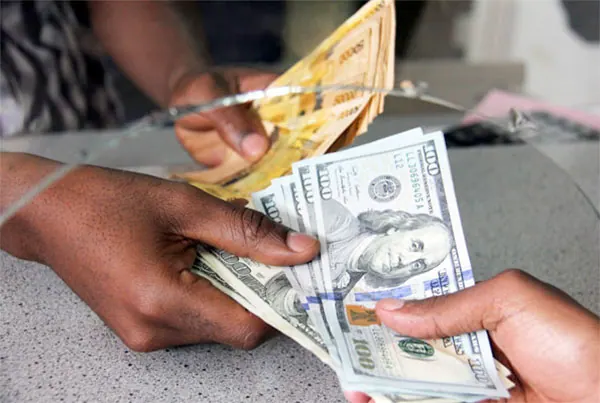
The Ugandan shilling has experienced significant weakening in September, after maintaining relative stability for most of the year. By September 14, the exchange rate had reached around Shs 3,917, and subsequent trading saw rates of Shs 3,920-3,930. This change may seem distant to individuals who do not directly engage with foreign currency, but its effects are widespread.
A weaker shilling increases the cost of imports, which Uganda relies heavily on. Many goods, including fuel, are purchased internationally in dollars. When the shilling weakens, importers must spend more shillings to buy the same amount of dollars, leading to higher costs. Fuel prices have already risen to around Shs 7,000 per litre in some parts of the country.
The impact of higher fuel prices extends beyond motorists, affecting various sectors of the economy. Taxis, bodas, and trucks carrying goods all use fuel, and increased fuel costs lead to higher transport costs. This, in turn, affects the final prices of goods and services. Even businesses that do not import goods directly can feel the effects of a weaker shilling if their suppliers have imported materials or products.
The dollar's influence on prices can be deceptive, as it does not have to appear on the price tag to impact the final cost. A weaker shilling raises the local-currency cost of imported goods such as fuel, machinery, spare parts, and electronics. Businesses must then decide whether to absorb the additional cost or pass it on to customers, which can be challenging for small businesses operating on narrow margins.
Uganda's import bill has been rising, with merchandise imports reaching US$1.612 billion in July 2026, a 25.4% increase from US$1.285 billion in July 2025. Although exports also increased, the country's import growth outpaced export growth. A growing economy needs imports, but the issue lies in what happens after the dollars leave the country.
If Uganda imports goods that enable businesses to produce more efficiently and create jobs, the foreign exchange outflow can eventually generate new foreign exchange earnings. However, if the economy continues to import finished goods while producing little for the rest of the world to buy, pressure on the currency will persist. The country's export performance is crucial in addressing this issue.
Uganda's long-term challenge is to earn more dollars through exports, which can be achieved by adding value to its products. The country can increase its earnings from coffee by processing it locally, and from agricultural products by exporting higher-value products. Developing local processing and related industries can also generate more value from mineral resources and reduce dependence on imported finished products.
Key points
- The weaker shilling increases the cost of imports, affecting everyday life in Uganda.
- Uganda's import bill has been rising, with merchandise imports reaching US$1.612 billion in July 2026.
- The country's long-term challenge is to earn more dollars through exports by adding value to its products.