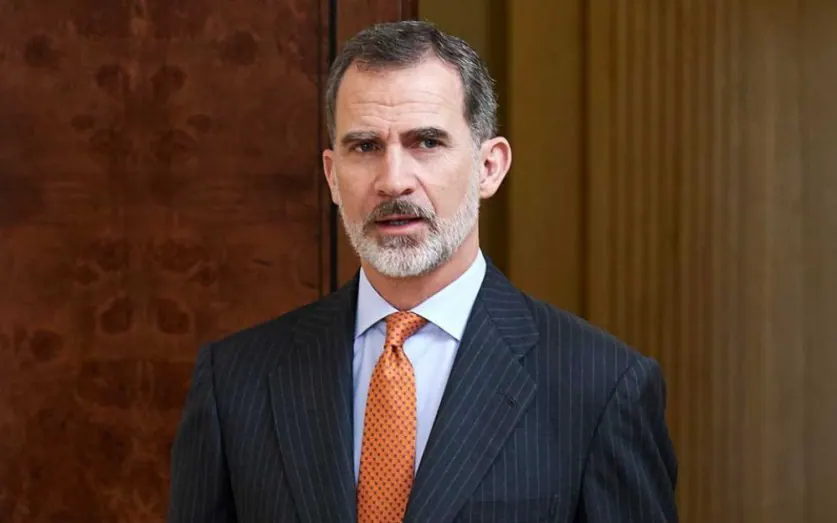
King Felipe VI of Spain has publicly criticized European countries for their inadequate response to the recent mass migration crisis in Ceuta, a Spanish enclave in Morocco. The monarch expressed his concerns about the lack of solidarity and support from European nations, stating that countries on the external borders cannot bear the consequences alone. He emphasized that the situation requires enhanced cooperation and resources among all member states, as it is a collective responsibility.
The crisis began in late July when approximately 72,000 migrants crossed into Ceuta from Morocco, sparking a wave of controversy within the European Union. While European Commission President Ursula von der Leyen praised Spain's efforts to return most of the migrants to Morocco, other countries, such as Italy, took a harder stance. Italy temporarily suspended freedom of movement with Spain under the Schengen Agreement, citing concerns about the influx of migrants.
In response to the crisis, European Commission Vice-President Margarítis Schinás and Migration Commissioner Ylva Johansson have been working on a new plan to address migration. The plan includes reinforcing the European Union's external borders and improving cooperation with countries of origin and transit. The European Commission has also proposed a new approach to migration, focusing on a more comprehensive and balanced strategy.
The Spanish government has been working on modifying its asylum laws to accelerate the return of irregular migrants. However, this move has raised concerns among human rights organizations. Spanish Minister for Territorial Policy Ángel Víctor Torres has stated that the authorities are studying available legislative options while taking into account the complexities of international law.
The crisis has highlighted the need for greater solidarity and cooperation among European countries on migration issues. French President Emmanuel Macron has also weighed in on the issue, calling for a more comprehensive approach to migration. The European Union has been working to strengthen its external borders and improve cooperation with countries of origin and transit.
The situation in Ceuta has also raised concerns about the role of Frontex, the European Union's border and coast guard agency. The agency has been working to reinforce its presence in the region and improve cooperation with Spanish authorities. However, some have criticized the agency's response to the crisis, arguing that it was slow to react.
The mass migration crisis in Ceuta has sparked a wider debate about migration policy in the European Union. As the EU continues to grapple with the issue, King Felipe VI's comments have highlighted the need for greater solidarity and cooperation among member states. The crisis has also underscored the importance of addressing the root causes of migration and improving cooperation with countries of origin and transit.
Key points
- European countries have been criticized for their lack of solidarity and support in addressing the mass migration crisis in Ceuta.
- The Spanish government has proposed modifying its asylum laws to accelerate the return of irregular migrants.
- The crisis has highlighted the need for greater cooperation and solidarity among European countries on migration issues.