More than 10 000 South African Jews volunteered to fight in World War II, a significant contribution considering the country's Jewish population at the time. Many of these brave men and women never returned, while others came home with experiences they rarely discussed. Their stories are still emerging, thanks to the work of Dr Naomi Rapeport, a retired physician from Johannesburg now living in Israel. She has spent years documenting the contributions of South African Jews who served during the war.
Dr Rapeport's research has uncovered thousands of names, acts of bravery, and family histories that might otherwise have disappeared. Her involvement began through her interest in genealogy and family history, which led her to work with the South African Jewish Museum on its Jewish Digital Archive Project. The project collected historical photographs and family records, including many depicting soldiers. Rapeport was struck by the number of photographs and the significance of the contribution, with 10% of the Jewish population volunteering to fight.
The research gathered momentum after Rapeport obtained letters written by a relative while he was a prisoner of war. She arranged them chronologically and published a book titled Letters in a Shoebox, which documented his journey from military service to captivity in Britain, Italy, and eventually Dresden, Germany. The project also revealed how little his family knew about his wartime experiences, with many veterans remaining silent about what they had experienced.
Rapeport's work eventually attracted the attention of organisers establishing a museum in Israel dedicated to Jewish participation in World War II. They wanted to document the contribution of Jewish soldiers from Allied countries, including South Africa. She agreed to help trace these histories and has since documented more than 4 000 South African Jewish servicemen and women. There is no official list of every Jewish South African who served, making the research particularly challenging.
The wider international contribution is equally significant, with approximately 1.5 million Jews from Allied countries serving during the conflict, and about 250 000 losing their lives. Rapeport believes that this contribution deserves far greater recognition, particularly in the context of the Shoah. She also highlighted the role of South African veterans in establishing Israel's military capabilities following independence in 1948.
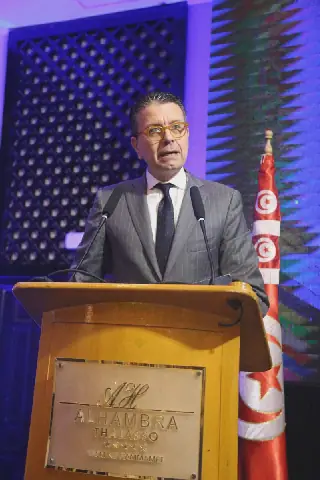
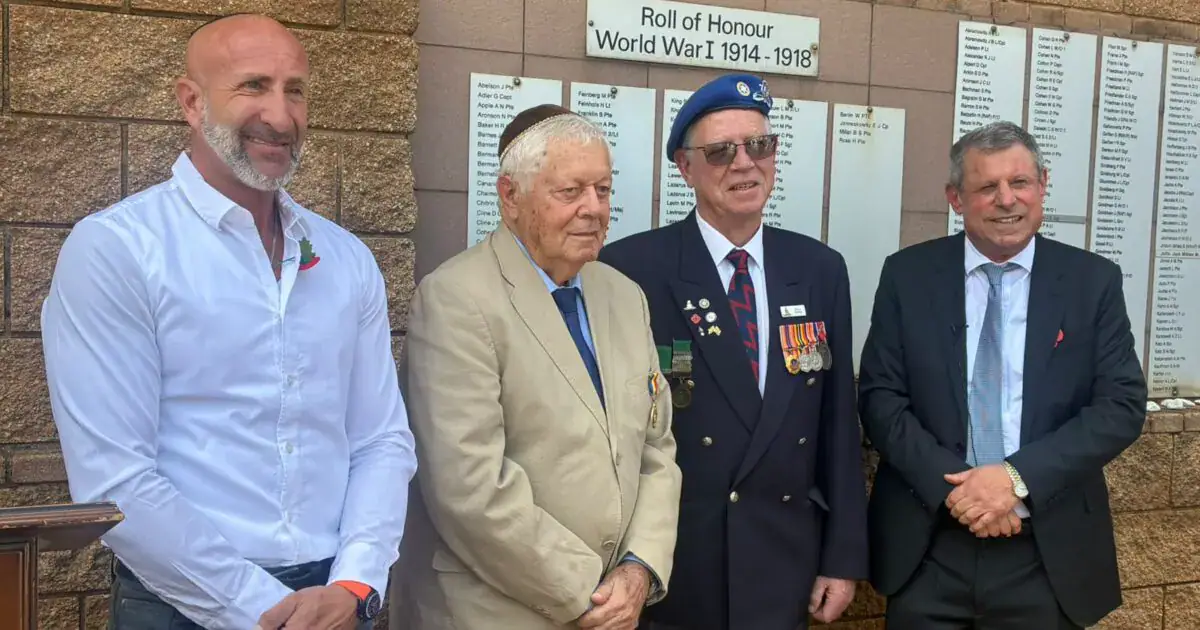
The memorial ceremony, titled "Hope and Heroism", honoured Jewish men and women who served during the war. SAZF national chairperson Craig Pantanowitz told the gathering about his grandfather Sunny Kuper, who trained as a pilot with the South African Air Force before joining the Royal Air Force. Kuper served in North Africa and flew photographic reconnaissance missions over Europe, photographing Nazi installations and identifying targets for Allied bombing operations.
Dr Rapeport's research continues to uncover remarkable stories of bravery and sacrifice. She highlighted the contribution of South African doctor Lionel Melzer, who operated a medical station amid intense fighting during the Battle of Sidi Rezegh in North Africa. Her work also recognised the stories of women who served, including Rose Vandecar, a nursing sister who received the Florence Nightingale Award, and Bernard Friedlander, who helped rescue approximately 1 800 South African prisoners of war from a sinking ship.
Key points
- More than 10 000 South African Jews volunteered to fight in World War II.
- Dr Naomi Rapeport has documented over 4 000 South African Jewish servicemen and women.
- Approximately 1.5 million Jews from Allied countries served during World War II, with 250 000 losing their lives.