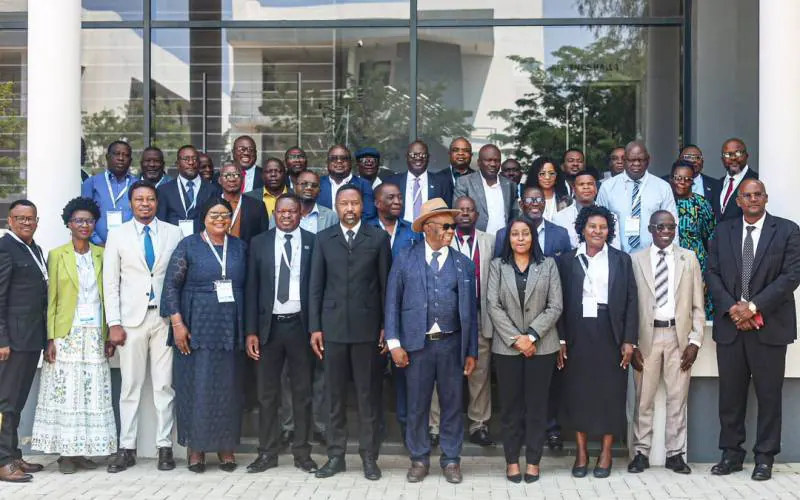
Regional councillors in Namibia are facing renewed scrutiny over their limited decision-making powers, inadequate funding, and delays in transferring government functions. These concerns raise questions about whether the decentralisation system is delivering on its promises nearly three decades after its adoption. The issues were discussed at the Third National Council and Regional Councils Consultative Conference, which opened in Otjiwarongo, with delegates expected to discuss decentralisation progress, regional development, and the responsibilities of office-bearers.
The parliamentary standing committee on urban and rural development and land reform was informed in July that 42 functions from six ministries had been coordinated for decentralisation, although most had been delegated rather than devolved. Under delegation, regional councils perform functions on behalf of the central government, while devolution gives them the authority to exercise those functions independently. The functions cover education, health, agriculture, works and transport, gender equality, and information and communication technology.
National Council Chairperson Lukas Sinimbo Muha emphasised the critical relationship between the National Council and Regional Councils, citing Article 74 and 108 of the Namibian Constitution. He said the conference should facilitate an exchange of views, harmonisation of approaches, and strengthened collaboration. Muha added that the theme of the conference calls for deepening democratic governance by ensuring citizens are active participants in shaping policies and development.
However, Otjozondjupa governor John Julius //Khamuseb said participation should be measured by its impact on communities' lives. He noted that communities continue to face challenges such as unemployment, poverty, water and sanitation issues, infrastructure gaps, and limited access to public services. Despite Otjozondjupa's potential in agriculture, livestock, tourism, mining, and trade, unlocking this potential requires stronger coordination, accountability, and transparency between government levels.
National Council vice-chairperson Emma Muteka said delegates would need to confront difficult questions around decentralisation, administrative and political responsibilities, the Constituency Development Fund, and strengthening regional councils. She urged delegates to keep communities at the centre of discussions, remembering those whose voices are entrusted to them but are not present at the conference.
The slow pace of decentralisation has raised concerns about regional councils' resources and capacity to take on more responsibilities. The government has allocated N$17.848 million for decentralisation activities in the 2025/26 budget, including handing over gazetted functions and assessing implementation. An inter-governmental fiscal transfer policy is also being developed to address financial arrangements required as functions move to lower government levels.
Konrad-Adenauer-Stiftung Namibia-Angola representative Dennis Zaire said decentralisation requires more than just moving functions between institutions. It also needs institutions to have the capacity and resources to fulfil their mandates and citizens to have meaningful opportunities to participate in decisions affecting their communities. The conference runs until 2 October, with delegates expected to deliberate on decentralisation, regional development, council functions, and strengthening participatory governance.
Key points
- Regional councils in Namibia face scrutiny over limited decision-making powers and inadequate funding.
- The decentralisation programme remains slow, with challenges including inadequate funding and poor coordination.
- The conference aims to deepen democratic governance by ensuring citizens are active participants in shaping policies and development.