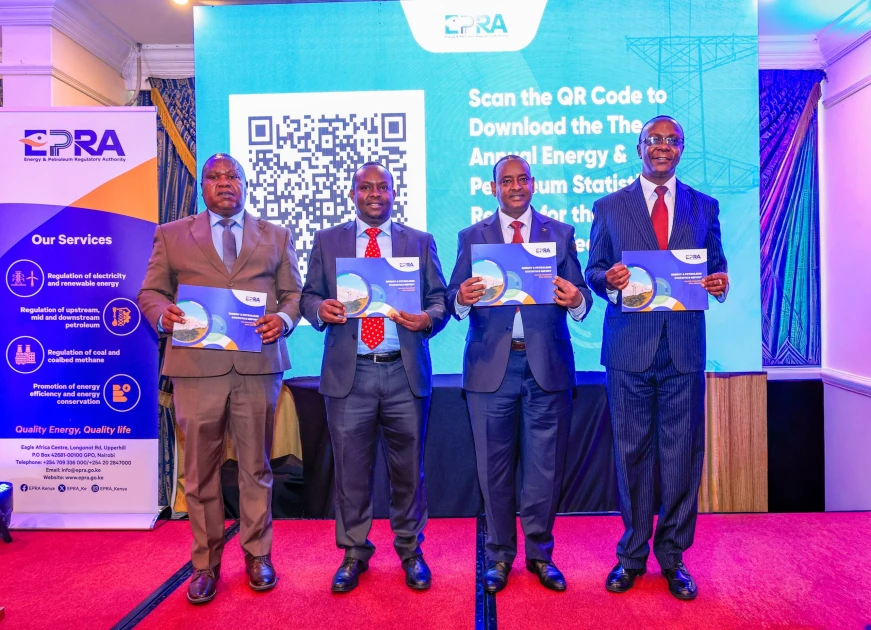
Kenya's electricity consumption saw a significant increase in the year ending June 2026, according to the Energy and Petroleum Regulatory Authority (EPRA). The growth was largely driven by the electric mobility sector, which recorded a 143.01% increase in electricity consumption. This surge rose from 5.04 gigawatt-hours (GWh) in the previous year to 12.25 GWh by June 2026. The number of e-mobility customers also grew from 115 to 543 during this period.
The increase in electricity demand is a crucial indicator for planning the country's power infrastructure, as stated by EPRA Acting Director General Dr. Joseph Oketch. He emphasized that this growth helps in planning for generation and transmission infrastructure. The rise in electricity consumption across all customer categories was a notable trend during this period. Large commercial and industrial consumers remained the largest users, accounting for 47.57% of total consumption.
Domestic consumers also showed significant growth, accounting for 34.77% of total consumption. Domestic electricity consumption recorded an 18.87% increase to 4,327.07 GWh. This growth in electricity demand was accompanied by an 8.44% increase in total electricity generation, which reached 15,692.81 GWh. The peak demand also saw an 8.55% increase, reaching 2,514.28 MW on June 29, 2026.
The growth in electricity generation and consumption is a positive trend for Kenya's energy sector. The EPRA report also highlighted the continued growth in liquefied petroleum gas (LPG) demand. LPG consumption increased by 14.72%, from 414,861 metric tonnes in 2024 to 475,943 metric tonnes in 2025. Per capita consumption also rose from 7.9 kg to 8.9 kg during this period.
The increase in LPG consumption can be attributed to improved product availability, increased importation, storage, and distribution infrastructure, as well as government policy interventions aimed at promoting cleaner cooking solutions. These efforts have contributed to the growth of LPG usage in Kenya. The EPRA report provides valuable insights into the country's energy sector, highlighting trends and growth areas.
The energy sector's growth is crucial for Kenya's economic development, and the EPRA report provides essential data for stakeholders. The report's findings can inform policy decisions and investments in the energy sector. Kenya's focus on e-mobility and cleaner cooking solutions is expected to continue driving growth in the sector.
As Kenya continues to develop its energy infrastructure, the growth in electricity consumption and generation will be critical. The country's energy sector is expected to play a vital role in driving economic growth and development. With a focus on sustainable and clean energy solutions, Kenya is well-positioned to address its energy needs while minimizing its environmental impact.
Key points
- Electric mobility usage in Kenya surged by 143% in the year ending June 2026.
- Kenya's total electricity generation increased by 8.44% to 15,692.81 GWh.
- LPG consumption in Kenya grew by 14.72% from 414,861 metric tonnes in 2024 to 475,943 metric tonnes in 2025.