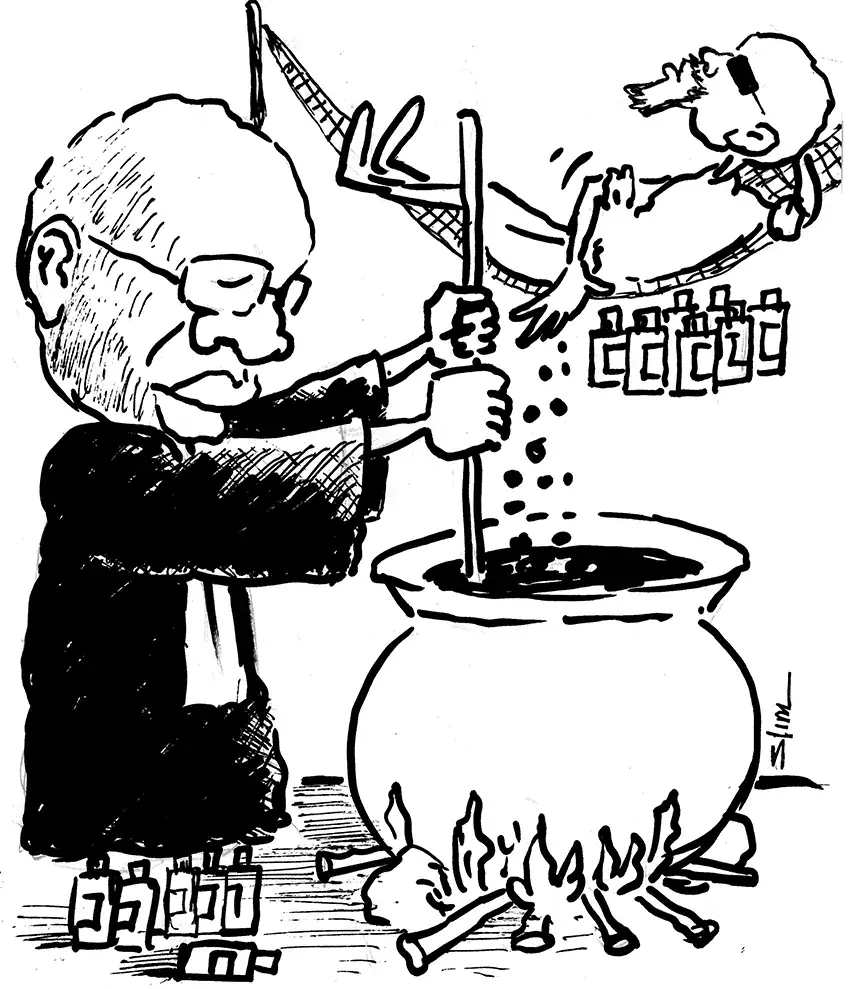
On October 21, President Mamadi Doumbouya issued a decree making significant changes to Guinea's judicial system, affecting various courts and tribunals, including the Court of Appeal and the Supreme Court. The move has raised concerns among magistrates and legal experts, who fear that the constant changes will disrupt the continuity of procedures and the specialization of judges. This latest development is part of a series of changes that have been taking place in the Guinean judiciary since the CNRD took power in September 2021.
The changes have resulted in a high level of instability in the judiciary, with many magistrates being transferred or appointed to new positions. According to Le Lynx, in the past five years, there have been five different ministers in charge of the judiciary, contributing to the sense of uncertainty and flux. The constant changes have led to concerns that magistrates are not being given sufficient time to settle into their new roles or to develop their expertise.
The latest decree has affected various levels of the judiciary, including the Inspection générale des sévices judiciaires and the Basse-Cour suprême. The changes have also impacted the courts of appeal in Conakry and Nzérékoré, as well as several tribunals of first instance. While the changes may be aimed at reorganizing the services and correcting dysfunctions, they have raised concerns about the impact on the administration of justice.
One of the main concerns is the timing of the changes, which have been made just a few weeks into the new judicial year. The changes have left many magistrates having to leave their current posts and relocate to new ones, potentially disrupting their work and impacting the cases they were handling. This has led to concerns about the impact on the rights of litigants and the overall effectiveness of the judiciary.
The constant changes have also raised concerns about the impact on the careers and specialization of magistrates. With magistrates being transferred between different roles and jurisdictions, there are concerns that they may not have the opportunity to develop their expertise or to build up experience in a particular area of law. This could ultimately impact the quality of justice being administered in Guinea.
The changes have also sparked concerns about the potential waste of skills and expertise. With magistrates being transferred between different jurisdictions, there is a risk that specialized knowledge and experience may be lost. This is particularly concerning in areas such as juvenile justice and commercial law, where specialized knowledge and expertise are essential.
The situation has led to concerns about the stability and effectiveness of the judiciary in Guinea. With the constant changes and transfers, there are concerns that the judiciary may not be able to function effectively, potentially impacting the rule of law and the rights of citizens. The situation will likely continue to be monitored by legal experts and human rights organizations.
Key points
- The recent judicial appointments in Guinea have sparked concerns over the stability and effectiveness of the judiciary.
- The constant changes have resulted in a high level of instability in the judiciary, with many magistrates being transferred or appointed to new positions.
- The changes have raised concerns about the impact on the careers and specialization of magistrates, as well as the potential waste of skills and expertise.