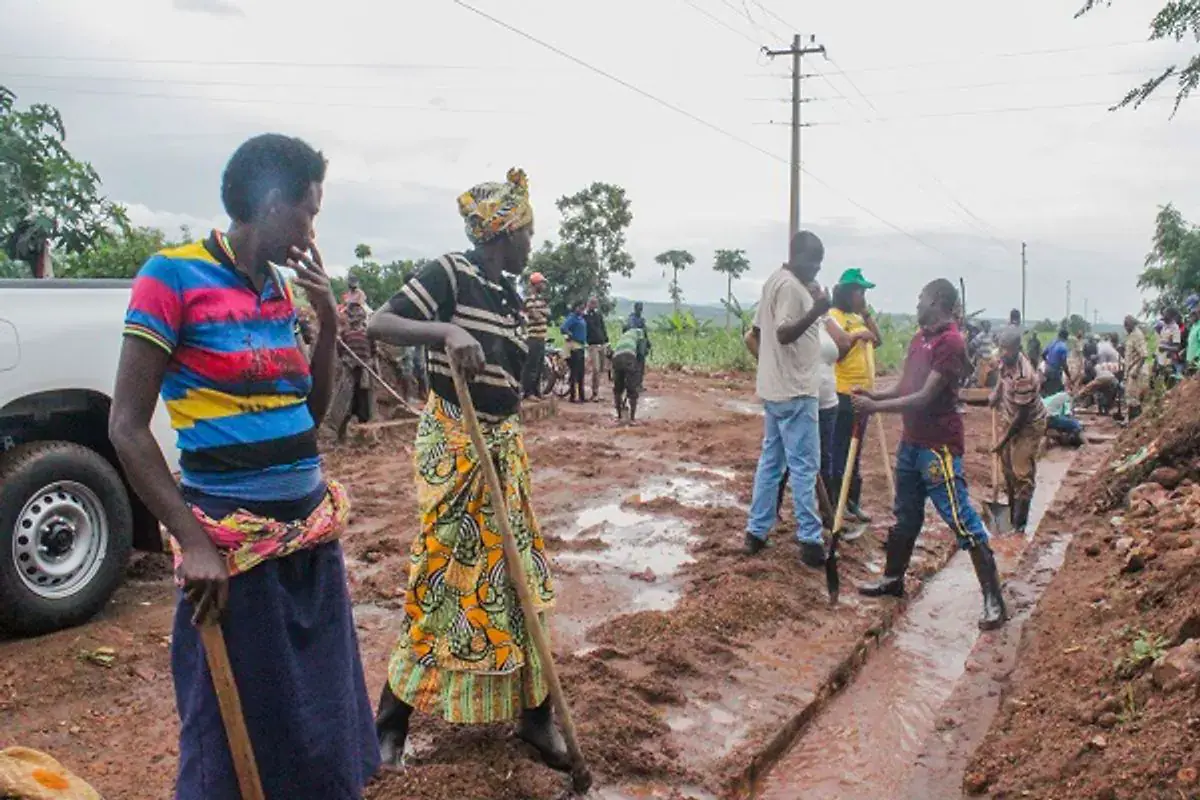
Two weeks have passed since the devastating floods and landslides hit Rubavu and its neighboring districts, but affected families are yet to receive a word on their resettlement plan. The disaster has displaced over 9,000 people, with 5,500 individuals seeking shelter in various centers across Rubavu alone. Additional centers have been established in other districts to accommodate those affected. The floods have added to the woes of the residents, who are still reeling from the impact of the 2021 volcanic eruptions of Nyiragongo.
The 2021 volcanic eruptions had a severe impact on Rubavu, resulting in widespread destruction, including the closure of businesses, destruction of over 1,200 houses, and collapse of crucial infrastructure and crops. During that time, promises were made to resettle those affected; however, many individuals have not received any compensation or assistance. Adeliphine Mucunguzi, a resident whose house was severely damaged during the seismic activity, was assured of resettlement but has not received any support. She has been struggling to make ends meet, and the recent floods have further exacerbated her situation.
Mucunguzi is not alone in her struggles. Many affected families are hesitant about whether the government's plans to resettle them will be followed through. The Rwanda Housing Authority has estimated that approximately $30 million will be required to resettle families whose homes were destroyed by the floods. To address this urgent need, the government has devised plans to construct two modern villages in the Rubavu district. One of these villages is already under construction and is projected to be completed within the next three months, accommodating 120 families.
The government has also announced plans to provide assistance to those who did not own houses, with a two-month rent subsidy. However, many affected families, like Jean Claude Bariyanga, who lost his house and documents to the floods, are concerned about the adequacy of the resettlement plans. Bariyanga is worried that the new house will be too small for his 7-person family and that he will need to acquire new ownership documents, a procedure that is often plagued by poor and delayed services.
The issue of delayed payments for resettlement and expropriation compensations has been raised by the latest Auditor General's report. The government currently owes over Rwf3.34 billion to expropriated and displaced families, with some payments delayed for four years. This has added to the frustration and anxiety of affected families, who are eager to rebuild their lives. The government's efforts to address the resettlement needs of the affected families will be closely watched by the residents of Rubavu.
The construction of the modern villages is seen as a critical step towards addressing the resettlement needs of the affected families. However, concerns have been raised about the adequacy of the plans and the potential for delays. The government will need to work closely with the affected families and other stakeholders to ensure that the resettlement plans are implemented effectively and in a timely manner.
As the affected families continue to wait for a resettlement plan, they are also facing the challenges of living in temporary shelters. The government and other stakeholders will need to provide support to these families to help them rebuild their lives and recover from the devastating impact of the floods and landslides. The road to recovery will be long and challenging, but with the right support and planning, the affected families can rebuild their lives and regain their dignity.
Key points
- The government owes over Rwf3.34 billion to expropriated and displaced families in delayed payments for resettlement and expropriation compensations.