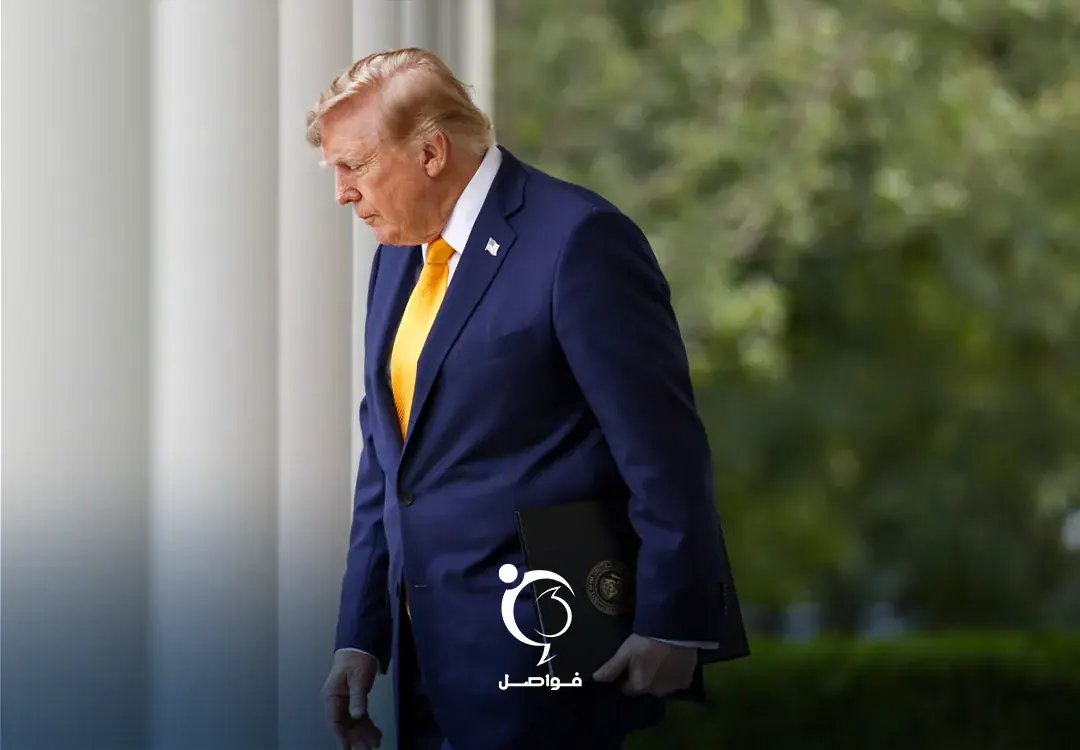
US President Donald Trump has backtracked on his recent comments criticizing Libya, instead praising the country's efforts in fighting terrorism. This sudden change in stance comes after widespread backlash from Libyan officials, including the Government of National Unity and the Presidential Council. Trump's initial comments had sparked outrage, with many calling for an apology. The reversal highlights the importance of Libya in US calculations, from oil and strategic location to counter-terrorism and migration.
According to analysts, Libya's significance in US foreign policy is multifaceted. The country is a major player in the global energy market, with substantial oil reserves. Additionally, its location in the Mediterranean makes it a crucial hub for trade and security. The US is also keen on countering Russian influence in the region, with Libya being a key battleground. Trump's change in tone may be an attempt to repair relations and maintain US interests in the country.
The backlash against Trump's comments was swift and decisive. The Libyan Government of National Unity, Presidential Council, and both the House of Representatives and State Council condemned the remarks. In response, Trump released a statement that did not include a direct apology but emphasized US support for Libya's unity and upcoming elections. The statement also highlighted the US commitment to combating terrorism and irregular migration.
The development coincides with increased US interest in Libya's energy sector. Major American companies have begun to invest and explore opportunities in the country, signaling a renewed focus on the region. This renewed engagement is part of a broader effort to strengthen diplomatic ties and counterbalance Russian influence. US diplomat Masood Bouls has been instrumental in driving this effort, seeking to bring Libyan parties together.
The motivations behind Trump's backtrack are unclear, with some speculating that it may be an attempt to contain an emerging crisis that could harm US interests. Libya's stability is crucial for regional security, and the US may be seeking to promote a peaceful resolution to the country's ongoing challenges. The international community remains cautious, however, with many questioning whether US intentions are genuinely focused on promoting peace and stability.
The shift in Trump's stance has also been influenced by the activities of various international players. Italian and Greek media have highlighted the growing presence of external actors, including Russia, in Libya. The situation remains complex, with multiple factions vying for power and influence. As the country prepares for elections, the international community will be watching closely to see if a peaceful transition can be achieved.
The implications of Trump's reversal will likely be far-reaching, with potential consequences for Libya's future stability and security. As the country navigates its complex landscape, the US and other international actors will need to carefully balance their interests and engagement. Key issues, such as promoting national unity, combating terrorism, and supporting economic development, will require sustained attention and cooperation from all parties involved.
Key points
- US President Donald Trump reversed his critical comments on Libya, praising the country's fight against terrorism.
- The shift in Trump's stance reflects the importance of Libya in US foreign policy calculations, including energy, security, and counter-terrorism.
- The development highlights the complex interplay of international interests in Libya, with multiple actors vying for influence.