The repeal of the State Trading Corporation's board of directors amid rising fuel prices in Mauritius has sparked widespread reactions. The decision has raised questions about the country's management of fuel price fluctuations and their impact on the economy. The issue was discussed on a local television program, "Au Cœur de l'Info," with guests including Nishal Joyram, Tahir Wahab, and Dev Sunnasy.
Criticisms have been raised about the mechanism used to determine fuel prices in Mauritius. Nishal Joyram, a citizen activist, expressed concerns that the current mechanism does not reflect the international market price of oil. He recalled that in 2022, when the oil barrel price reached around $100, fuel prices significantly impacted consumers. Joyram accused the minister of misleading the population.
Economic expert Tahir Wahab argued that while crises are unpredictable, the government should prepare for their consequences. He warned that the absence of sustainable solutions could lead Mauritius into an economic downturn. Wahab emphasized that the impact of fuel price hikes could be felt across various sectors, including supermarkets, construction, and small and medium-sized enterprises.
Dev Sunnasy from Linion Moris stated that the repeal of the STC board was not unexpected but reflected a loss of control in economic management. He expressed frustration and shame among the population, citing the government's failure to provide a solid team and vision to address Mauritian problems. Sunnasy also pointed to the continuous depreciation of the rupee.
Economic experts are calling for Mauritius to review its economic model and open its market more. Tahir Wahab suggested that the current system favors certain importers and that the government should work to alleviate economic pressure on citizens. He warned of the risk of a social crisis if the situation persists.
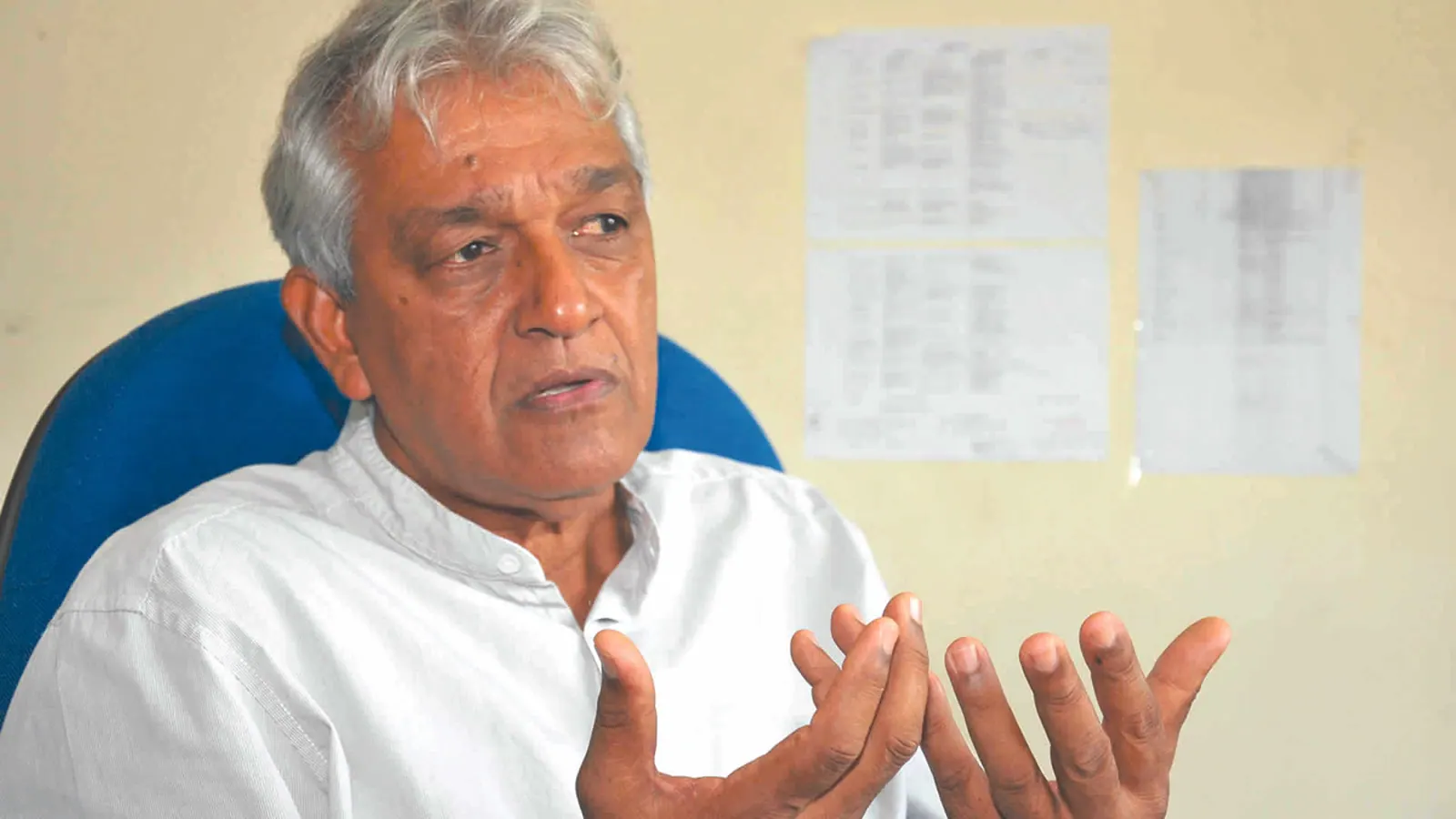
Jayen Chellum, secretary-general of the Association of Consumers of Mauritius, urged the government to rectify the situation and prioritize consumer protection. He suggested that revising taxation could help absorb some of the shock and alleviate consumer burden. Chellum called on politicians to move beyond opposition and ruling party rhetoric.
The situation in Mauritius highlights the challenges of managing economic fluctuations and the need for sustainable solutions. The government's response to the fuel price hike and its impact on the economy will be crucial in determining the country's economic trajectory. The issue remains a pressing concern for citizens and experts alike.
Key points
- The Mauritian government faces pressure to address the fuel price hike and its economic implications.
- Experts are calling for a review of the country's economic model and greater market openness.
- Consumer protection and sustainable solutions are being prioritized in discussions around economic management.