Political slogans have been a cornerstone of election campaigns for centuries, often used to evoke emotions and create a sense of connection with voters. Examples of famous slogans include "Bread, Peace, Land" from the Russian Revolution, "It's the Economy, Stupid" from Bill Clinton's first presidential campaign, and "A Better Life for All" from the African National Congress. These short phrases are designed to be memorable and convey a sense of what a particular candidate or party stands for. However, the question remains as to whether they contribute to a deeper understanding of the challenges facing today's world.
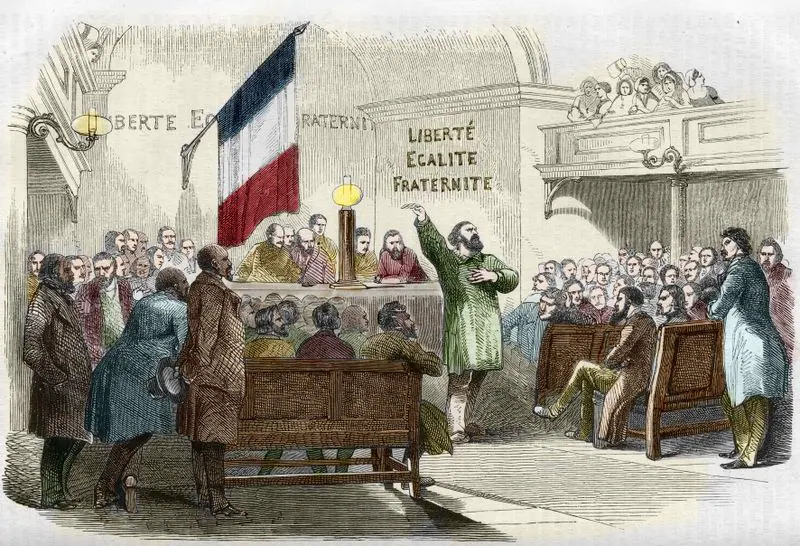
The use of triplets, or hendiatris, is a common device used in political slogans. This involves aligning three words or phrases to create a sense of rhythm and emphasis. Examples include Abraham Lincoln's "of the people, by the people, for the people" and the French Revolution's "Liberté, Égalité, Fraternité". This device has been used for centuries, and its power lies in its ability to create a sense of simplicity and clarity. However, it can also be used to obscure complex issues and avoid detailed policy discussions.
In the context of modern politics, the role of disengaged or low-information voters has become increasingly important. These voters may not follow politics closely and may not have a deep understanding of the issues. In the US, it is estimated that 15-20% of eligible voters fall into this category. In countries with lower levels of literacy and income, this percentage may be even higher. In South Africa, voter turnout has been declining steadily since the inception of a non-racial democratic system.
The impact of disengaged voters on election outcomes cannot be overstated. In competitive local elections, such as those in South Africa and the US, these voters could hold the balance of power. Their votes could determine the outcome of elections, even if they do not have a deep understanding of the issues or the party manifestos. This raises important questions about the role of journalists, commentators, educators, and civic leaders in engaging these voters and promoting a more informed electorate.
According to a YouGov poll, disengaged voters in the US tend to be younger, female, and less likely to have a college degree than politically engaged voters. They may not follow politics closely and may have little civic knowledge. It is reasonable to assume that similar patterns exist in other countries, including South Africa. Engaging these voters and promoting a more informed electorate will require a concerted effort from a range of stakeholders.
The use of catchy slogans and memes can be an effective way to engage disengaged voters, but it is not enough. Voters need more than just simple phrases and images; they need a deeper understanding of the issues and the policy options available to them. Journalists, commentators, educators, and civic leaders have a critical role to play in promoting this understanding and engaging disengaged voters in the electoral process.
Ultimately, the fate of many candidates in upcoming elections may depend on how disengaged voters cast their ballots. If these voters do not engage with the electoral process, the consequences could be significant. On the other hand, if they do engage, it could lead to a more informed and participatory democracy. The challenge for stakeholders is to find ways to engage disengaged voters and promote a more informed electorate.
Key points
- Political slogans have a long history, but their impact on voter understanding is limited.
- Disengaged voters could hold the balance of power in upcoming elections.
- Engaging disengaged voters and promoting a more informed electorate requires a concerted effort from a range of stakeholders.