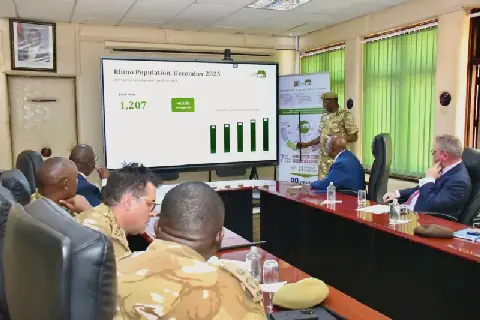
Bongo District Veterinary Officer Hamidu Sadat has appealed for funding from the District Assemblies Common Fund (DACF) to conduct free mass dog vaccinations in the district. This appeal comes after five residents died of rabies in the district, accounting for the highest toll among the 36 human rabies deaths recorded across the Upper East Region between June 2025 and September 2026.
The Veterinary Services Department in Bongo received only 120 doses of canine anti-rabies vaccine for its most recent campaign, which is insufficient for the district's estimated 3,000 to 4,000 dogs, mostly kept for hunting. Sadat linked the outbreak partly to unmonitored cross-border trade from the Yelwongo market in neighbouring Burkina Faso, where dogs are brought into Bolgatanga and Bongo Soe without proof of immunisation.
The unmonitored cross-border trade poses a significant risk of rabies transmission, as some dogs escape in transit and become strays. Sadat noted that the dogs are brought from the Yelwongo market in Burkina Faso, sold in Bolgatanga, and if not sold, are brought to Bongo Soe, creating a big dog market. This uncontrolled movement of dogs increases the risk of rabies spread.
A government-backed programme that previously supplied free human anti-rabies vaccines to dog-bite victims by medical drone has been suspended due to stock shortages. As a result, patients now have to pay about GH¢1,000 out of pocket for the vaccine, making it inaccessible to many. Sadat stated that victims often delay reporting to clinics, relying on local remedies, which worsens their condition.
According to Sadat, the victims who died in the district had typically been bitten two to three months earlier and had relied on local remedies before reporting to clinics. This highlights the need for prompt medical reporting and sustained mass dog vaccinations to prevent further avoidable deaths. The World Health Organization (WHO) and Ghana Health Service advise that anyone bitten or scratched by a dog or other mammal should immediately wash the wound thoroughly with soap and running water for at least 15 minutes and go straight to a health facility for post-exposure prophylaxis.
Sadat called for sustained mass dog vaccinations, tighter border animal checks, and prompt medical reporting to prevent further deaths. The veterinary officer emphasised the importance of these measures in preventing the spread of rabies, particularly in areas with high dog populations and uncontrolled cross-border trade. Health facilities in the Upper East Region are working to prevent further avoidable deaths by implementing these measures.
The Bongo district's experience highlights the need for increased awareness and action against rabies, particularly in rural areas with limited access to healthcare and veterinary services. The district's high incidence of rabies deaths underscores the importance of addressing the root causes of the outbreak, including unmonitored cross-border trade and inadequate vaccination coverage.
Key points
- The Bongo district in Ghana recorded five rabies deaths between June 2025 and September 2026, accounting for the highest toll in the Upper East Region.
- The district's veterinary department received only 120 doses of canine anti-rabies vaccine, which is insufficient for the estimated 3,000 to 4,000 dogs in the area.
- The veterinary officer has appealed for funding to conduct free mass dog vaccinations and implement measures to prevent further rabies deaths.