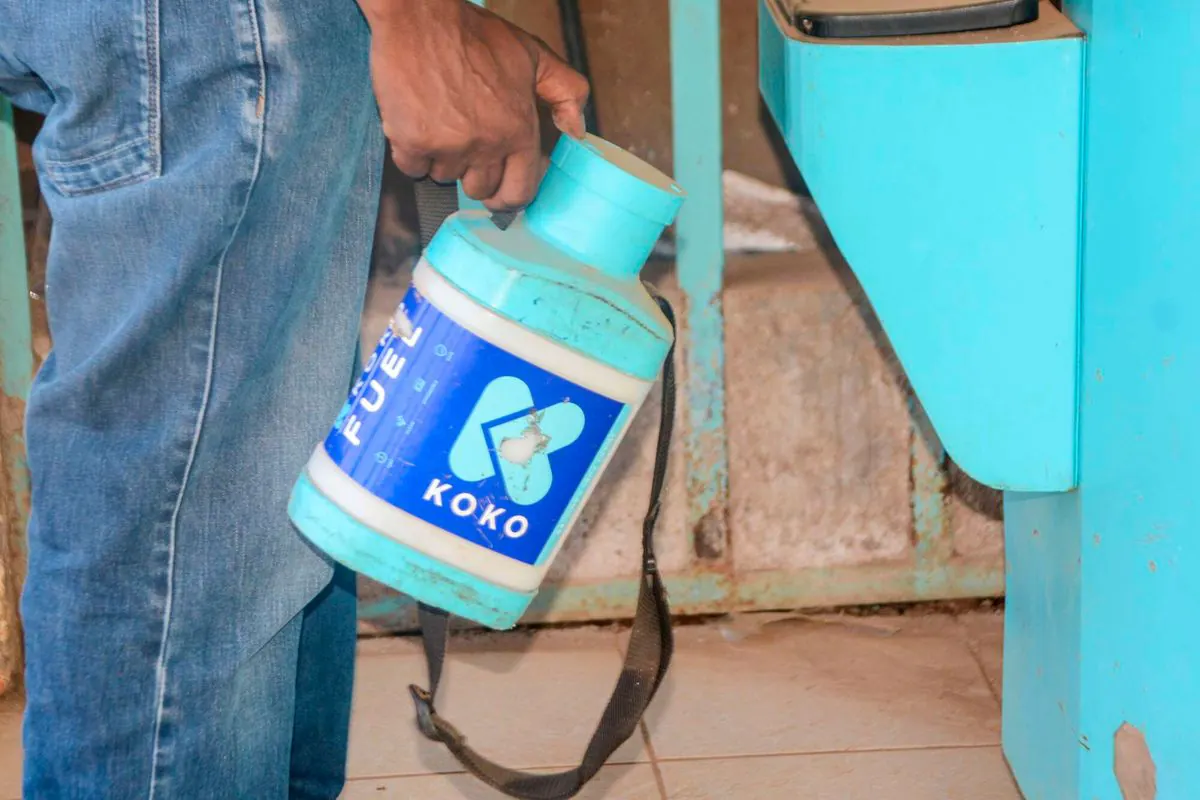
The administrator of collapsed clean cooking start-up Koko Networks, PricewaterhouseCoopers (PwC), has been unable to secure a buyer willing to pay a meaningful price for the company's carbon credits. This development threatens efforts to recover money owed to creditors. Koko Networks' business model relied heavily on selling carbon credits generated by its clean cooking operations in international carbon markets. The company's carbon inventory is estimated to be worth £274,992 (Sh47.1 million).
PwC took over the management of Koko Networks in February and has since held discussions with three potential buyers and five brokers over the six months to August 18. However, no sale has been concluded yet. The administrator has engaged a broker to market the carbon credits and received several offers, but these are not considered to generate a meaningful return to the estate. As a result, the carbon credits will continue to be actively marketed to secure an improved sale price.
Koko Networks filed for administration in Kenya on February 1 after the government declined to issue it with a letter of approval (LoA) to export carbon credits. The company would have exhausted Kenya's share of the market, according to the government. Koko Networks served more than 1.5 million households in Kenya before shutting down. Its business model depended on selling carbon credits in voluntary markets, with credits in compliance markets costing about $20 (Sh2,596), approximately 10 times the price collected in voluntary markets.
The Kenyan unit was the sole supplier of credits to its UK parent firm. The failure to secure approval to access the higher-value compliance markets crippled the group's revenue model. Koko Networks' collapse left it with debts of £127.2 million (Sh21.8 billion) against assets of just £1.45 million (Sh248.8 million) available to preferential creditors. This £126.9 million (Sh21.8 billion) deficiency means creditors face substantial losses.
PwC has recovered Koko Networks' information technology assets, such as laptops and computer monitors, from former employees. The remaining laptops were sold following an external valuation, generating net proceeds of £1,230.64 (Sh210,947). The administrators had previously estimated the company's computers and equipment to be worth £8,419 (Sh1.4 million). The asset sale process began on July 17 as the administrators seek to realise value from the collapsed business.
Koko Networks' intellectual property, including creations such as inventions, brand names, and creative works, is being marketed through a joint sales process. This process involves the liquidator of the firm's product design subsidiary Saarus Innovations Pvt Limited and Koko Networks Private Limited, both in voluntary liquidation, alongside the administrator of Koko Networks Mauritius. If this sales process results in a successful sale, a legal advisor will be instructed to assess whether any portion of the net proceeds should be received by the company.
Management accounts show the Kenyan business generated £44.7 million (Sh7.7 billion) in revenue in the year ended December 2025, up from £38.4 million (Sh6.6 billion) in 2024. Following the collapse, Koko's UK parent disclosed that it had written off £35.5 million (Sh6 billion) in loans owed by its Kenyan subsidiary after determining that the debt would not be repaid. It also marked down £1.32 million (Sh226.2 million) in intangible assets linked to its intellectual property portfolio.
Key points
- PwC estimates Koko Networks' carbon inventory to be worth £274,992 (Sh47.1 million).
- Koko Networks' collapse left it with debts of £127.2 million (Sh21.8 billion) against assets of just £1.45 million (Sh248.8 million).
- The company's failure to secure approval to access compliance markets crippled its revenue model.