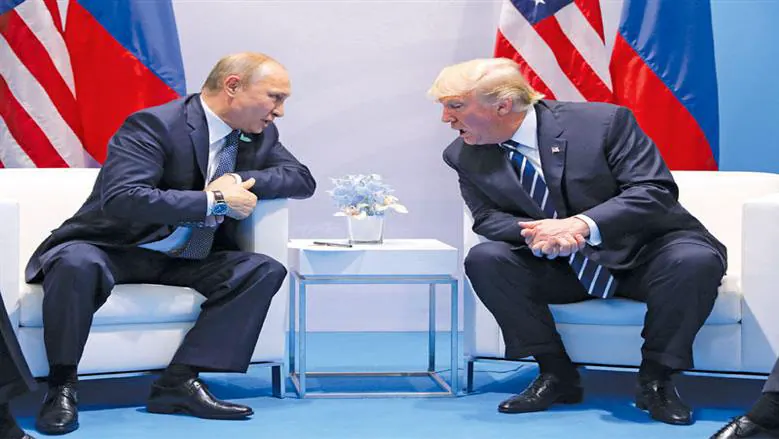
The relationship between the United States and Europe is facing a new test following US President Donald Trump's move to ease restrictions on Russian diesel imports. This development has sparked criticism from European and Ukrainian officials, with some European capitals threatening to impose stricter sanctions on Moscow. The decision has been met with disapproval, with many viewing it as a "stab in the back" for the continent.
The European Union's foreign policy chief, Kaja Kallas, stated that EU foreign ministers are set to approve a new package of sanctions targeting Russia's military capabilities. She warned that easing restrictions on diesel imports would provide Moscow with additional resources to fund its war efforts. The European Commission emphasized that the EU is aware of the costs associated with its reliance on Russian fuels and does not want to contribute to financing Moscow's war on Ukraine.
Germany and Britain have reaffirmed their commitment to maintaining pressure on Russia. Berlin announced that it will work with European partners to impose new sanctions, while the UK stated that it will continue to enforce its sanctions regime on Moscow. Both countries emphasized their support for Ukraine's defense efforts and diplomatic initiatives to achieve a peaceful resolution.
European foreign ministers are scheduled to discuss further steps at a meeting in Luxembourg on Monday. Proposals include adding around 1,600 individuals and entities to the EU's blacklist related to the Ukraine conflict. The French newspaper Libération reported that the measures aim to increase pressure on Moscow.
Ukrainian President Volodymyr Zelenskyy described the US-Russia agreement on diesel imports as "unfair and unjust." He argued that it represents a "gross gift" to Russian President Vladimir Putin. Zelenskyy also criticized Moscow's actions following the easing of sanctions, citing a recent Russian attack on residential buildings in Zaporizhzhia that killed 20 people.
According to the US website Axios, Zelenskyy's repeated requests to the US to stop Ukrainian attacks on Russian oil refineries may have contributed to Trump's agreement with Putin on diesel imports. A US official claimed that Zelenskyy is misreading the situation and that continued attacks on Russian refineries are undermining his goodwill with Trump.
The New York Times reported on a potential diplomatic effort by the US to use economic incentives to persuade Moscow to accept a partial ceasefire. The plan involves a package of financial and investment benefits in exchange for a halt to hostilities, particularly targeting energy infrastructure and maritime navigation.
Key points
- European nations are concerned about the US decision to ease restrictions on Russian diesel imports.
- Ukraine's President Zelenskyy has criticized the US-Russia agreement as unfair and unjust.
- The European Union is set to impose new sanctions on Russia in response to the situation.