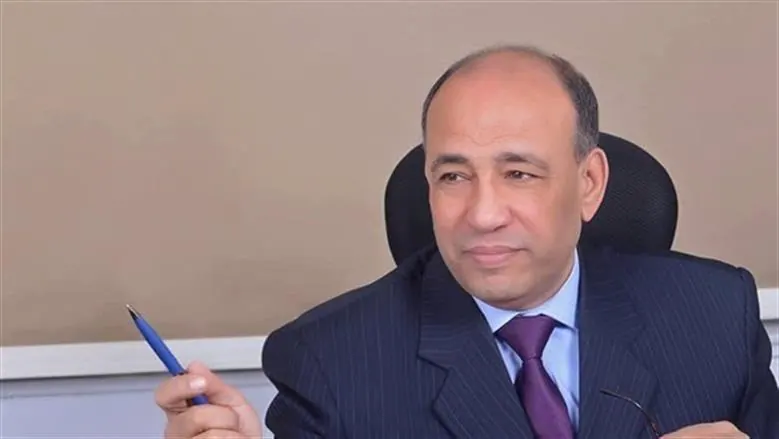
Egyptian President Abdel Fattah El-Sisi is undertaking a significant diplomatic tour of Asia, visiting South Korea, Malaysia, and Indonesia. This trip aims to elevate relations with these countries to a partnership level and sign memoranda of understanding across various fields. The presidential visit exemplifies the concept of presidential diplomacy, showcasing how direct presidential engagement can open multiple avenues for cooperation and link political relations to economic, technological, and strategic opportunities.
The evolution of transportation and communication has revolutionized international relations. With advancements in travel and connectivity, the nature of diplomacy has changed significantly. Presidents now travel frequently, meeting counterparts and shaping understandings, thereby making diplomacy more dynamic and impactful. This shift towards presidential diplomacy is a hallmark of contemporary international politics, enabling leaders to address complex global issues and foster cooperation.
The development of presidential diplomacy is closely tied to the increasing complexity of national interests and their interconnectedness. Modern states cannot separate their security policies from economic relations, developmental needs from political stances, or regional alliances from international partnerships. Presidential visits provide a platform to coordinate multiple paths that might be challenging to align in separate meetings, addressing issues like investment, trade, defense, energy, food security, and technology.
The importance of time in managing international relations has amplified the role of presidential diplomacy. Crises can unfold rapidly, markets react swiftly to statements and decisions, and alliances require continuous consultation. In this context, presidential visits are not merely protocol events but tools to accelerate understanding on pressing issues or resolve political obstacles to agreements. Personal contact between leaders also builds trust, facilitating deeper understanding and testing possibilities for agreement.
Presidential diplomacy involves extensive preparation, including political assessments, selecting countries to visit, setting objectives, preparing files, and coordinating between relevant ministries and institutions. The actual visit elevates these efforts, allowing the president to discuss outcomes directly with their counterpart, determine negotiation directions, and provide additional momentum to agreements requiring high-level decisions.
One of the benefits of presidential diplomacy is its ability to raise the political profile of bilateral relations. A presidential visit signals a readiness to prioritize the relationship, enabling the host to interpret the visit as an indication of the visiting state's foreign policy direction. This can be crucial in building partnerships, reactivating existing relations, or emphasizing that cooperation with a particular state is part of national interest calculations.
Presidential diplomacy has the potential to translate political rapprochement into economic opportunities. Companies and investors monitor official relations as an indicator of the general climate for cooperation, with governmental agreements potentially paving the way for projects in infrastructure, energy, industry, transportation, and technology. The success of such visits in generating tangible economic outcomes will depend on follow-up and evaluation.
Key points
- Presidential diplomacy has become a significant tool in Egypt's international relations, allowing for direct engagement with counterparts and fostering cooperation across various fields.
- The evolution of transportation and communication has enabled more frequent presidential travel, making diplomacy more dynamic and impactful.
- Presidential visits can translate political rapprochement into economic opportunities, generating tangible outcomes in areas such as infrastructure, energy, and technology.