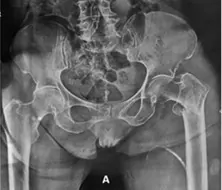
Proximal femoral fractures (PFFs) are a significant public health burden, especially among older patients with osteoporosis. A study conducted at the University Hospital of Brazzaville aimed to describe the diagnostic, therapeutic, and prognostic features of PFFs. The research, which took place from January 2022 to December 2024, analyzed 70 cases of PFFs out of 1,938 hospitalizations, representing 3.61% of all orthopedic trauma cases. The mean age of patients was 63.8 years, with 57% being over 65 years old.
The study found that ground-level falls were the leading mechanism of injury, accounting for 58.6% of cases, and were significantly associated with older age. The female-to-male ratio was 1.18, indicating a slightly higher incidence among women. Trochanteric fractures accounted for 55.7% of cases, while femoral neck fractures made up the remaining 44.3%. Among femoral neck fractures, 51.6% were classified as Garden IV, a more severe type of fracture.
Surgical treatment was performed in 81.4% of cases, with a mean time to surgery of 23 days. The main surgical procedures were screw-plate fixation and hemiarthroplasty. However, postoperative complications occurred in 18.6% of patients, highlighting the need for improved perioperative care. The one-year mortality rate was 7.1%, which is lower compared to Western series.
The study also evaluated functional recovery using the Postel-Merle d’Aubigné score. At a mean follow-up of 9.9 months, the mean functional score was 13.6/18, with poor functional recovery observed in 43.3% of patients. This finding underscores the importance of early surgical intervention and comprehensive rehabilitation programs to improve patient outcomes.
The research highlights the need for earlier surgery and improved technical resources to manage PFFs effectively. The prolonged surgical delays and poor functional recovery observed in the study are concerning and warrant attention from healthcare policymakers. The findings also emphasize the importance of preventive measures, such as osteoporosis management and fall prevention programs, to reduce the incidence of PFFs.
The study’s results have implications for healthcare policy and practice in Cameroon and other sub-Saharan African countries. The authors suggest that improving access to early surgery and enhancing technical resources could significantly improve patient outcomes. Furthermore, public health initiatives aimed at preventing osteoporosis and reducing falls among older adults could help mitigate the growing burden of PFFs.
The study was conducted by a team of researchers led by Bilongo-Bouyou ASW, Zengui FZP, and Biengoye Edong LG, and was published in the journal Health Sciences and Diseases. The authors note that further research is needed to investigate the long-term outcomes of PFFs and to develop effective strategies for prevention and management.
Key points
- Prolonged surgical delays and poor functional recovery are significant concerns in the management of proximal femoral fractures at Brazzaville University Hospital.
- The study highlights the need for earlier surgery and improved technical resources to manage PFFs effectively.
- Preventive measures, such as osteoporosis management and fall prevention programs, could help reduce the incidence of PFFs.