South Africa's apartheid regime developed a covert biological and chemical weapons programme, known as Project Coast, in the 1970s and 1980s. The programme was led by Dr. Wouter Basson, a talented cardiologist and military officer, who designed it for both defensive and offensive purposes. Despite claims of defensive intentions, the programme produced various biological and biochemical products, including poisons for assassination purposes. Project Coast was loosely overseen by a special committee and compartmentalised into four civilian front companies.
Project Coast built on a prior chemical weapons programme that produced mustard gas for the Allied battle against Nazi Germany in the 1940s. The renewed interest in developing chemical and biological weapons came from the desire for alternatives to live ammunition for crowd control and the fear of Soviet-made chemical weapons being used against South African soldiers. The programme received resources from the South African Defence Force (SADF) and the support of Minister of Defence Magnus Malan and President Pieter Willem Botha.
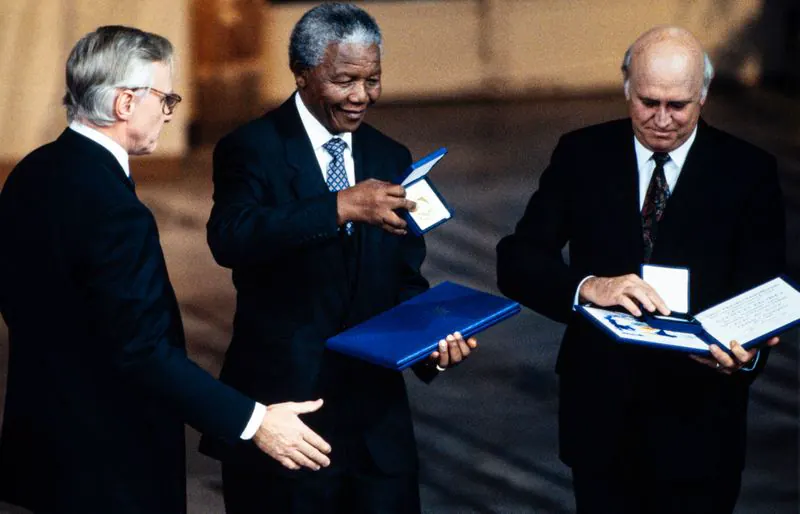
The programme produced various biological and biochemical products, including poisons prepared for assassination purposes. Scientists handed over contaminated items, such as cigarettes, chocolates, and household items, to the security police and military officers. Attempts were made to spread cholera and yellow fever by contaminating the drinking water of a Namibian refugee camp. Thallium, a toxic heavy metal, was intended to be used to slowly kill Nelson Mandela before his release from prison in 1990.
The chemical wing of the programme developed and weaponised irritating agents and incapacitating agents. The substance called CR, a crowd control agent, was made and loaded into weapon delivery systems. Production surged just before South Africa turned democratic in 1993. Incapacitating agents were developed for use on prisoners of war, with fatal doses of muscle relaxants administered to Swapo prisoners.
The victims' incapacitated bodies were loaded into a small plane and dumped into the Atlantic Ocean from an altitude of 12,000 feet. Roodeplaat scientists worked on anti-fertility measures that could be administered to black people, with nearly 20% of projects devoted to fertility control. This effort was part of apartheid leaders' longstanding dream of slowing down the growth of the country's black population.
Project Coast's activities were exposed after South Africa's transition to democracy in 1993. The programme's legacy serves as a reminder of the dangers of unregulated high-consequence projects. The South African government signed the Biological and Toxin Weapons Convention (BTWC) in 1972 and ratified it in 1975, but the programme continued to operate in secret.
The dismantling of Project Coast offers profound lessons for governing high-consequence projects responsibly. The programme's history highlights the importance of transparency, accountability, and international cooperation in preventing the development and use of biological and chemical weapons.
Key points
- Project Coast was a covert biological and chemical weapons programme developed by South Africa's apartheid regime in the 1970s and 1980s.
- The programme produced various biological and biochemical products, including poisons for assassination purposes and incapacitating agents for use on prisoners of war.
- The legacy of Project Coast serves as a reminder of the dangers of unregulated high-consequence projects and the importance of transparency and accountability.