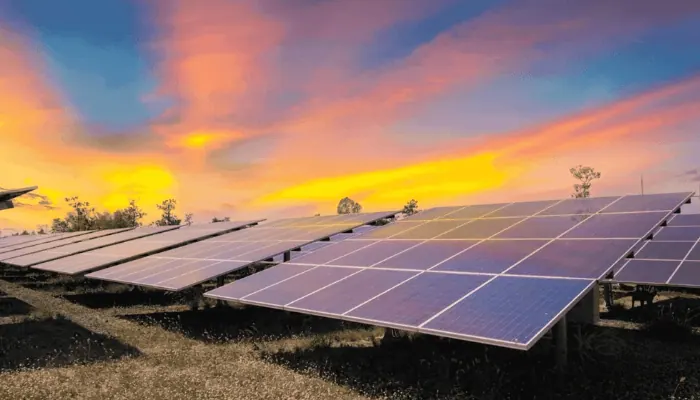
Nigeria's growing renewable energy market is facing challenges such as substandard components, inconsistent installation practices, and safety concerns. The Renewable Energy Association of Nigeria (REAN) emphasizes that properly designed, installed, and maintained solar systems can be safe. REAN calls for certified installation practices and quality-compliant components to mitigate fire hazards. The Nigerian Electricity Management Services Agency (NEMSA) is responsible for enforcing technical standards and inspecting electrical installations.
Choosing a certified installer is crucial to ensuring a safe solar system. NEMSA requires solar mini-grid systems to be correctly designed, specified, installed, inspected, and certified before operation. Consumers can verify certified electrical contractors through NEMSA's directory. Using a cheaper but uncertified installer can increase the risk of incorrect wiring, poor connections, or an improperly designed system. This can lead to electrical faults and fire hazards.
Buying quality-compliant equipment is also essential for a safe solar system. Solar panels, inverters, batteries, and other protection equipment must be compatible and meet applicable technical standards. REAN identified substandard components as a challenge in Nigeria's renewable energy market. Consumers should avoid choosing equipment solely based on price, as this can compromise the safety and efficiency of the system.
A solar system should be properly designed and sized according to the electrical load it is expected to carry. Oversized or undersized components, incompatible equipment, and incorrect system configurations can create electrical and battery-management problems. Proper design and sizing can help prevent electrical faults and ensure the system's safe operation.
Cables and connections play a critical role in ensuring the safety of a solar system. Poor connections can create electrical faults and heat. Nigeria's Rural Electrification Agency (REA) technical standards specify requirements for battery cabling, including cable sizes, terminals, and voltage drop limits. Installers should ensure cables are properly sized and connections are terminated and protected.
Installing the right protection equipment and taking battery storage seriously are also crucial for a safe solar system. NEMSA's inspection documentation includes checks for equipment such as fuses, breakers, earthing, and surge-protection systems. REA's technical standards require stationary lithium-ion battery systems to comply with specified safety standards. Proper protection and battery management can help isolate faults and prevent electrical problems.
Regular inspections, proper installation, and maintenance of solar systems are essential for preventing fire outbreaks. Consumers should inspect the system periodically for signs of damage or abnormal operation and investigate any unusual issues. Additionally, solar equipment should be installed in locations that minimize the possibility of electrical faults coming into contact with combustible materials. Getting the installation inspected and certified can also help ensure the system's safety.
Key points
- Using certified installers and quality-compliant equipment can help prevent fire outbreaks from solar systems.
- Proper design, sizing, and installation of solar systems are crucial for ensuring their safe operation.
- Regular inspections and maintenance of solar systems can help identify and address potential safety issues.