As people age, their bodies undergo significant changes that can impact their overall health and mobility. According to a recent article in Aujourd'hui Le Maroc, the key to maintaining physical longevity lies in adopting a consistent and well-planned approach to physical activity. The article emphasizes that it's essential to start preparing your body for the next decade now, rather than waiting until problems arise. By doing so, individuals can build a reserve of physical abilities that will enable them to maintain their independence and quality of life.
The human body has a remarkable capacity to adapt to different ages and physical demands. However, this adaptability works in both directions, meaning that a lack of physical activity can lead to a decline in physical abilities. Regular physical activity helps maintain a dialogue between the body's systems, including joints, muscles, and the nervous system. This dialogue is essential for maintaining mobility, balance, and overall physical function. By engaging in regular physical activity, individuals can keep their bodies adapted to the demands of daily life.
Preparing one's body for the next decade does not require drastic changes to daily life. Instead, it involves making small, incremental changes that can add up over time. The article suggests that individuals start by incorporating simple activities into their daily routine, such as walking, maintaining leg strength, and improving balance and mobility. It's also essential to listen to one's body and address any discomfort or pain before it becomes a more significant issue. By doing so, individuals can prevent problems from arising and maintain their physical abilities.
The article emphasizes that prevention is key when it comes to maintaining physical longevity. Rather than waiting until a problem arises, individuals should start working on their physical abilities before they are needed. This approach enables individuals to build a reserve of physical abilities that will enable them to maintain their independence and quality of life. The question is not whether one needs to work on a particular aspect of their physical health but rather whether they want to maintain a specific ability in the next decade.
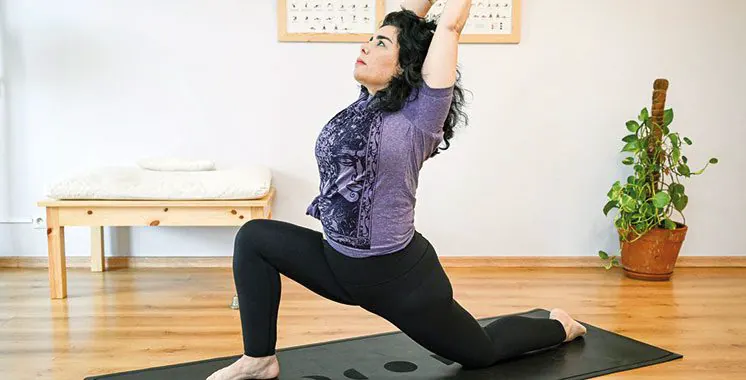
Yoga is often associated with flexibility and complex postures, but it can be a valuable practice for maintaining physical longevity. A well-planned yoga practice can help improve mobility, stability, strength, balance, and coordination. However, not all yoga practices are created equal, and individuals should seek out a practice that is tailored to their needs and goals. By understanding the demands of different movements and postures, individuals can use yoga to maintain their physical abilities and prepare their bodies for the next decade.
A common misconception is that practices designed for older adults or individuals with physical limitations should be simplified or "easy." However, this approach can be counterproductive, as it fails to challenge the body and may not address specific physical needs. Instead, individuals should seek out practices that are tailored to their unique needs and abilities. By doing so, they can maintain a high level of physical function and prepare their bodies for the demands of daily life.
Ultimately, the key to maintaining physical longevity is to have a clear vision of what one wants their body to be capable of in the next decade. By imagining their ideal physical state and working towards it, individuals can create a plan that is tailored to their needs and goals. This approach enables individuals to take control of their physical health and maintain their independence and quality of life.
Key points
- Starting early is crucial when it comes to maintaining physical longevity.
- A well-planned approach to physical activity is essential for maintaining physical abilities.
- Prevention is key when it comes to maintaining physical longevity.