The ongoing strike by Ghana's pre-tertiary teachers has entered its 11th day, disrupting the academic calendar for students in public schools. The strike, declared on September 25, 2026, by unions including the Ghana National Association of Teachers (GNAT), National Association of Graduate Teachers (NAGRAT), and Pre-Tertiary Teachers Association of Ghana (PRETAG), has left students at home. The unions are demanding payment of outstanding promotion arrears, salary adjustments for promoted teachers, progress on a new collective agreement, and implementation of the 20% deprived-area allowance.
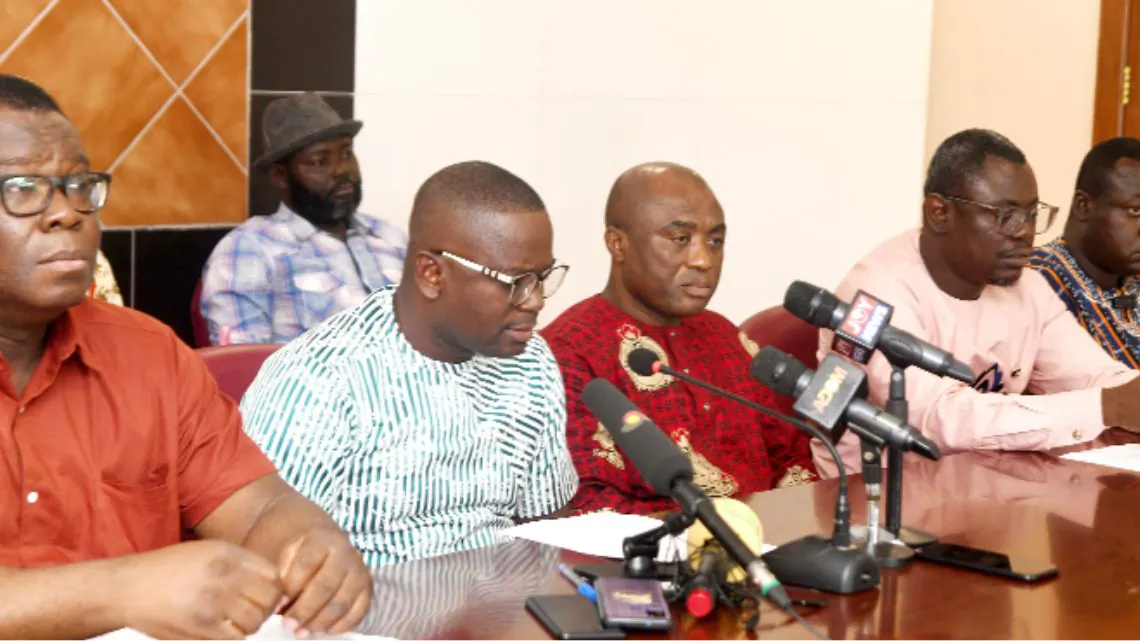
A meeting between the Fair Wages and Salaries Commission (FWSC), the Ghana Education Service (GES), and the teacher unions on October 5 ended without an agreement. The parties are set to reconvene on October 7 as the government continues efforts to address the concerns triggering the industrial action. The unions seek clear timelines for completing outstanding processes and paying financial obligations owed to affected teachers.
General Secretary of GNAT, Thomas Musa, urged teachers to remain resolute, stating that the unions await concrete timelines from the government. The strike has disrupted teaching and learning in public pre-tertiary schools nationwide, with the unions insisting on concrete commitments before considering a return to work. The government remains committed to resolving the concerns through the FWSC and GES.
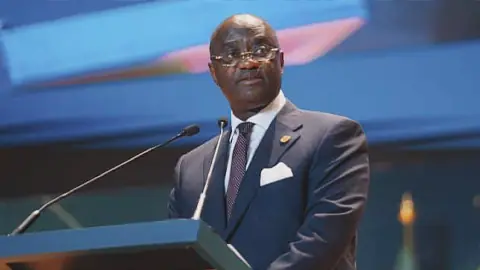
Education Minister Haruna Iddrisu has appealed to the striking teachers to return to the classroom, assuring them that the government is working towards an amicable resolution. He previously announced that the 20% deprived-area allowance would be paid after validating teachers eligible for the allowance. The government's efforts aim to address the teachers' demands and restore normalcy to the education sector.
The strike has significant implications for the education sector, with students missing out on crucial learning opportunities. The unions have emphasized the need for the government to demonstrate a commitment to resolving their concerns. The government's response to the teachers' demands will be crucial in determining the strike's duration and impact on the academic calendar.
The Ghanaian government's negotiations with the teacher unions are being closely watched, as the strike's continuation could have long-term effects on the country's education system. The FWSC and GES are working to find a solution that addresses the teachers' concerns and allows for a return to normalcy in the education sector. The parties' ability to reach an agreement will be crucial in resolving the current impasse.
As the negotiations continue, students, parents, and teachers are eagerly awaiting a resolution to the strike. The government's commitment to resolving the concerns and the unions' willingness to engage in meaningful dialogue will be essential in finding a solution. The outcome of the negotiations will have a significant impact on the education sector and the country's future.
Key points
- The Ghanaian government's talks with pre-tertiary teacher unions have ended in stalemate, with the strike now in its 11th day.
- The striking teachers are demanding payment of outstanding promotion arrears, salary adjustments, and implementation of the 20% deprived-area allowance.
- Education Minister Haruna Iddrisu has appealed to the teachers to return to work, assuring them that the government is working towards a resolution.