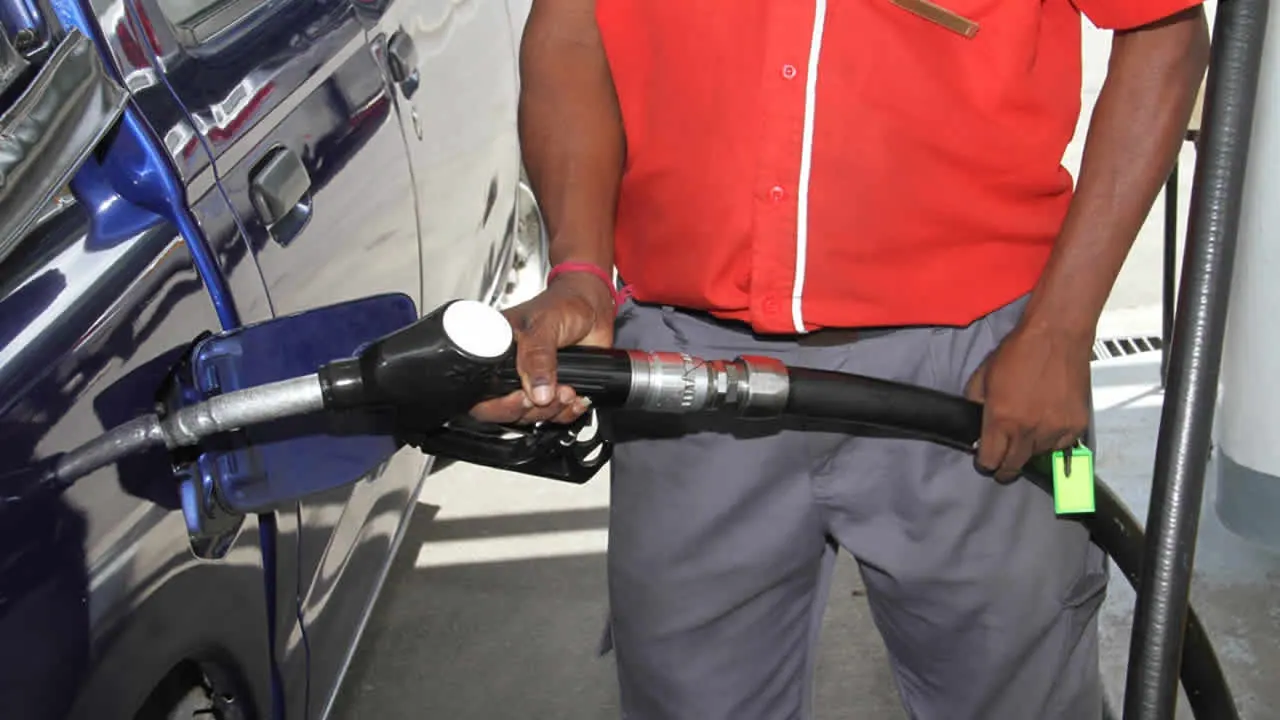
The Petroleum Pricing Committee (PPC) in Mauritius is set to convene soon to reassess fuel prices, potentially leading to another increase in gasoline and diesel prices. The meeting comes after a new shipment of fuel arrived from India under a new contract with Indian Oil. The recent cargo, which arrived on September 25, consisted of approximately 9,047 metric tons of Mogas, 10,262 tons of Gas Oil, 15,505 tons of Jet A-1, and 4,933 tons of Marine Gas Oil (MGO).
The previous PPC meeting on August 14 resulted in a recommended increase in gasoline prices from Rs 64.25 to Rs 70.65 per liter, while diesel prices remained unchanged. At that time, the Petroleum Savings Account (PSA) deficit was estimated at Rs 3.5 billion. Since then, the global crude oil price has been around $104 per barrel, which may contribute to another price hike.
According to Minister of Trade and Consumer Protection, Michael Sik Yuen, the current price difference has already reached 10% for gasoline and 12% for diesel. If the PPC meeting results in an adjustment, a 10% increase in gasoline prices would raise the price from Rs 70.65 to approximately Rs 77.72 per liter, an increase of Rs 7.07.
The PPC will need to consider the distinction between the two cargoes of oil, one acquired under the old arrangement and the other received recently. This differentiation may impact the committee's calculations. Additionally, there is uncertainty regarding the currency used for the recent import bill, with discussions suggesting either Mauritian rupees or Indian rupees.
Statistics Mauritius reported an increase in the country's petroleum bill from Rs 5.4 billion in July 2025 to Rs 6.7 billion in July 2026. This upward trend may continue if fuel prices rise again.
The fuel price issue has sparked discussions on taxation, with Deputy Kushal Lobine proposing a temporary reduction in fuel taxes. Michael Sik Yuen and Suttyhudeo Tengur, president of the Association for Environmental and Consumer Protection, also weighed in on the matter, suggesting that the current tax structure, including excise duty and VAT, should be reviewed to reduce fuel prices.
The debate on fuel prices in Mauritius encompasses not only the fluctuations in global oil prices but also the country's fiscal mechanisms that influence the final pump price. As the PPC meeting approaches, stakeholders and consumers are eagerly awaiting the outcome, which may have significant implications for the economy and households.
Key points
- The PPC meeting may lead to another fuel price increase in Mauritius.
- The country's petroleum bill has risen from Rs 5.4 billion in July 2025 to Rs 6.7 billion in July 2026.
- Discussions on fuel taxation are ongoing, with proposals to review or temporarily reduce taxes on fuel.