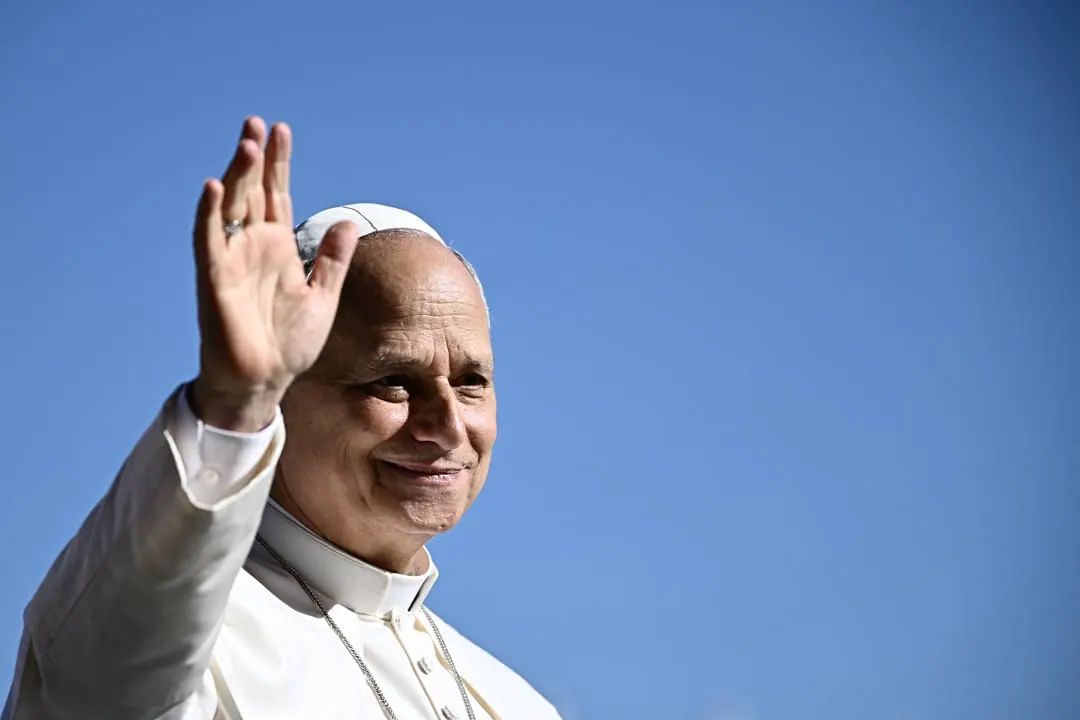
On September 25, Pope Leo XIV issued a stern warning to the United Nations, cautioning the global organization against morphing into an exclusive club for powerful nations. According to Reuters, the Pope emphasized the importance of inclusivity and equitable representation within the UN. This warning comes at a time when the international community is grappling with issues of global governance, power dynamics, and the effectiveness of multilateral institutions.
The Pope's remarks were reported by AFP, a news agency that has been covering the Pope's activities and statements extensively. While specific details of the Pope's address were not provided, it is clear that he stressed the need for the UN to remain true to its founding principles of promoting peace, security, and cooperation among nations. The Pope's comments reflect ongoing concerns about the influence of powerful countries within the UN and the potential marginalization of smaller or less influential nations.
The United Nations was established in the aftermath of World War II with the aim of promoting peace, security, and cooperation among its member states. Over the years, the organization has faced numerous challenges, including criticism of its effectiveness in addressing global issues and concerns about the dominance of powerful nations in its decision-making processes. The Pope's warning highlights the need for the UN to adapt and evolve in response to changing global circumstances while remaining committed to its core objectives.
In South Africa, the local media outlet Beeld reported on the Pope's statement, highlighting its relevance to global governance and international relations. The article was published on Netwerk24, a digital platform that provides news and information on various topics, including politics, business, and lifestyle. The report did not provide specific details about the Pope's speech but noted the significance of his warning in the context of current global events.
The Pope's comments on the UN have sparked interest and debate globally, with many people taking to social media and other platforms to share their views and opinions. Some have expressed support for the Pope's call for a more inclusive and equitable UN, while others have raised questions about the feasibility of implementing such changes. The discussion reflects broader concerns about the future of global governance and the role of multilateral institutions in addressing pressing global challenges.
In related news, South African politicians and commentators have been weighing in on various issues related to global governance and international relations. For example, Lamola recently criticized the Trump administration for using "economic weapons" against other countries. Such statements highlight the complex and often contentious nature of international relations and the ongoing debates about the best ways to promote peace, security, and cooperation globally.
As the world continues to grapple with numerous challenges, including climate change, poverty, and inequality, the role of the UN and other multilateral institutions will remain crucial. The Pope's warning serves as a reminder of the need for these organizations to remain true to their founding principles and to adapt to changing global circumstances. By doing so, they can more effectively address the needs and concerns of all nations, regardless of their size or influence.
Key points
- Pope Leo XIV warns UN against becoming an exclusive club for powerful nations.