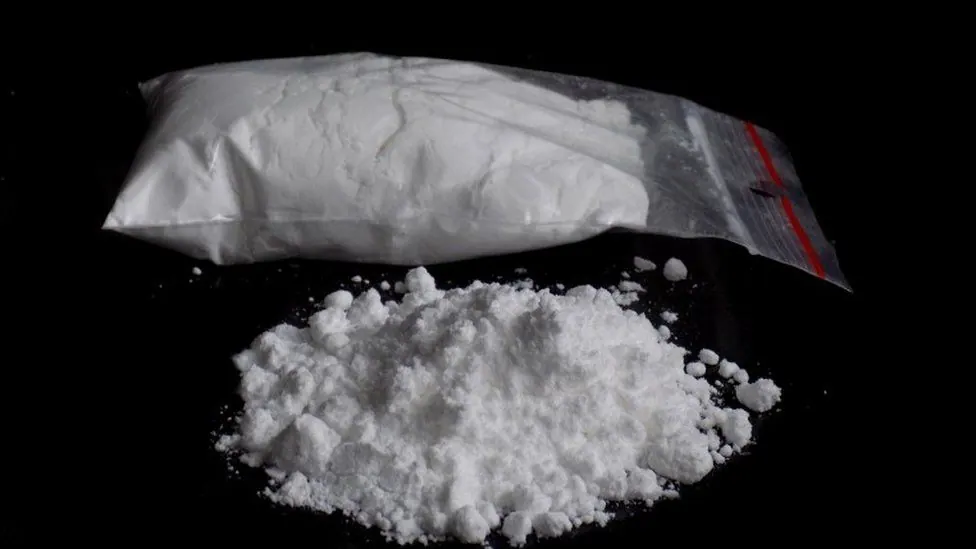
A recent report by the Global Organised Crime Index suggests that political protection may be a significant factor in the decline of visible cocaine trafficking in Ghana. The report cites concerns from law enforcement officials and civil society stakeholders that falling seizures and reduced media coverage may conceal continued trafficking. This has raised concerns about the role of politics in the country's illicit markets.
The report highlights the influence of Ghanaian trafficking networks beyond the country's borders. Ghanaian organised crime groups have emerged as major players in the global cocaine trade, with connections to international trafficking networks. The report also identifies Brazil as the main source of cocaine entering Ghana by sea, often concealed in sugar containers and transported through trans-shipment points such as Spain or Turkey.
The Global Organised Crime Index report notes that Ghanaian ports, particularly Tema and Takoradi, are key entry points for cocaine into the country. The report also highlights the complexity of the international trafficking network, which connects South American suppliers, transit locations, and West African ports. This network has significant implications for Ghana's role in the global cocaine trade.
The findings of the report are particularly relevant given recent drug busts in Ghana. The country has been associated with several high-profile cocaine seizures in recent years, including a 3.9-tonne shipment that was intercepted in 2025. The report's authors suggest that these seizures may be just a small part of a much larger problem.
The report also raises concerns about the potential for money laundering and terrorist financing in Ghana. The country's NGOs have been identified as potential risks, with some organisations potentially providing a front for illicit activities. This has significant implications for Ghana's financial sector and its efforts to combat organised crime.
The Ghanaian government has faced criticism for its handling of the country's cocaine trade. Some have accused the government of being too lenient on traffickers, while others have called for greater action to be taken to address the problem. The report's findings are likely to add to these calls for action.
The issue of cocaine trafficking in Ghana is complex and multifaceted. Addressing the problem will require a comprehensive approach that involves law enforcement, civil society, and the government. The report's authors hope that their findings will contribute to a greater understanding of the issue and inform efforts to combat organised crime in Ghana.
Key points
- The Global Organised Crime Index report suggests that political protection may be masking Ghana's cocaine trade.
- Ghanaian organised crime groups have emerged as major players in the global cocaine trade.
- Brazil is the main source of cocaine entering Ghana by sea.