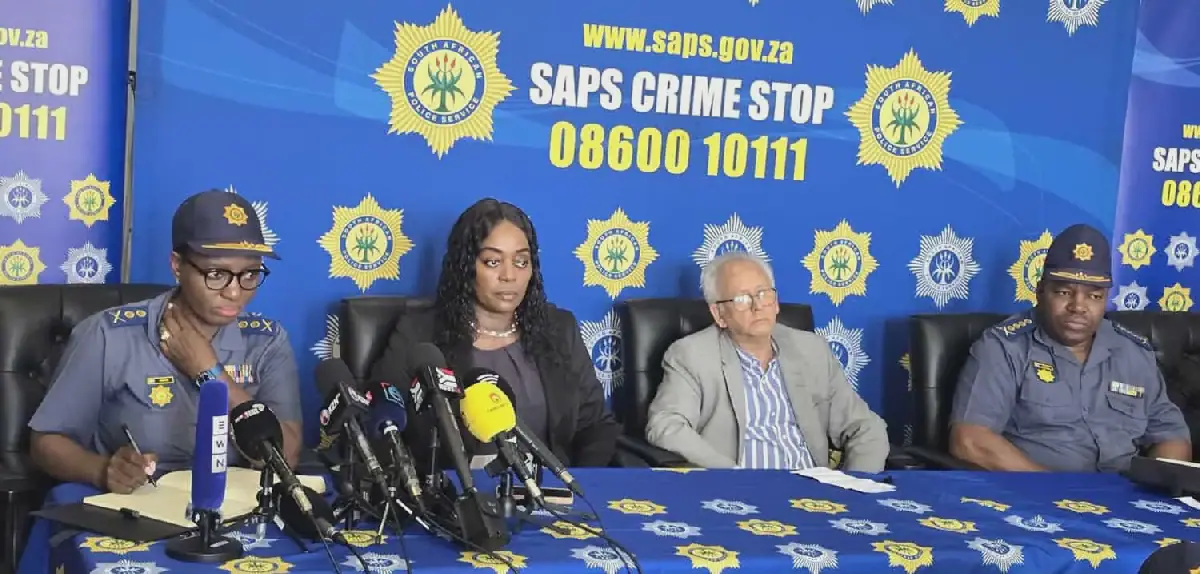
KwaZulu-Natal has been identified as the country's biggest election security hotspot, with police flagging 165 voting stations across the province as high-risk ahead of local government elections. The province accounts for almost half of the 331 high-risk voting stations identified nationally. National Police Commissioner General Fannie Masemola revealed the figures during a state-of-readiness briefing in Durban.
The 165 high-risk voting stations in KwaZulu-Natal are distributed across various districts, with 124 in eThekwini, 16 in uThukela, 13 in Amajuba, 11 in Zululand, and one in Ugu. Masemola said the stations had been classified as high-risk due to their location in areas where instability could arise, particularly as a result of service delivery protests, community unrest, and other security-related incidents.
The risk assessments have informed police deployment plans, with increased visibility and operational interventions planned for areas where threats have been identified. Masemola said sufficient security measures are in place to address the identified risks, with enhanced police visibility and operational interventions where they are required. Other provinces with high-risk voting stations include Gauteng with 119, Western Cape with 33, Mpumalanga with 11, and Eastern Cape with three.
No high-risk voting stations were identified in the North West, Limpopo, Northern Cape, and Free State, although police said these provinces have medium- and low-risk voting stations. The security concerns come amid a tense political climate in KwaZulu-Natal, with Masemola raising concerns about killings and attacks targeting political party supporters, members, and ward candidates.
Masemola addressed the recent SAPS court application seeking an interim order regulating marches and public demonstrations in KwaZulu-Natal. The application followed escalating incidents of violence, intimidation, and destruction of property associated with marches in and around Durban. Two people have been attacked and killed, while vehicles and other property have been torched or damaged.
Specialised police units, including the Special Task Force, National Intervention Unit, Tactical Response Teams, Explosives Units, and Hostage Negotiators, have been placed on standby to respond to potential security threats during the election period. The election security operation will be led by the SAPS, with support from the South African National Defence Force, metro police departments, and the State Security Agency.
Police deployments will be increased from Monday, coinciding with the start of special voting. Police officers will remain at voting stations throughout the voting process to maintain law and order and ensure voters can exercise their democratic right safely. Firearms and dangerous weapons will not be permitted within the boundaries of voting stations, and Masemola warned political parties, candidates, and supporters against intimidation and violence.
Key points
- 165 voting stations in KwaZulu-Natal have been flagged as high-risk ahead of local government elections.
- The risk assessments have informed police deployment plans, with increased visibility and operational interventions planned for areas where threats have been identified.
- Specialised police units have been placed on standby to respond to potential security threats during the election period.