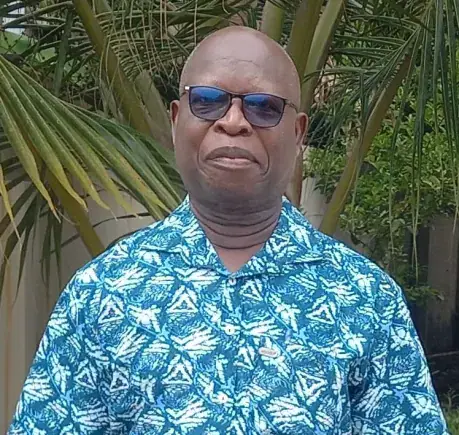
On October 19, 2026, Ghana's foremost playwright, Uncle Ebo Whyte, discussed the concept of life's cyclicality on his weekly series "Food for Thought" on Joy FM. At 72 years old, Whyte shared his conclusion that life is cyclical, with some patterns attributed to nature and others to human-made structures. He cited the annual Nobel Prize awards as an example of human-instituted cyclicality. The 2026 Nobel Prize winners in six categories have been announced, sparking reflection on the significance of these awards.
The Nobel Prizes, established by Alfred Bernhard Nobel, are awarded annually to individuals or organizations for excellence in six fields: Medicine, Physics, Chemistry, Literature, Peace, and Economics. Nobel, a Swedish chemist and inventor, created the Bofors Steel Company and was known for his invention of dynamite. However, after his brother's death, Nobel was deeply affected by negative obituaries published about him, which condemned his role in inventing destructive weapons. This experience profoundly impacted Nobel, leading him to bequeath his fortune to humanity.
In 1895, Nobel established the Nobel Foundation, setting up five prizes to be awarded after his death. The first awards were made in 1901, and in 1968, the Economics prize was added, bringing the total to six disciplines. The prizes are awarded annually in Stockholm, Sweden, except for the Peace Prize, which is awarded in Oslo, Norway. Each winner receives 11 million Swedish crowns, a gold-plated medal, and a diploma. The Nobel Prizes have become a symbol of excellence and a recognition of remarkable contributions to humanity.
Ghanaian UN Secretary-General Kofi Annan won the Nobel Peace Prize in 2001, jointly with the United Nations. He remains the only Ghanaian to have won the Nobel Prize. Other African winners include South Africans Albert Lithuli, Desmond Tutu, and Nelson Mandela, who were awarded the Peace Prize for their fight against apartheid. Nigerian poet Wole Soyinka won the Literature Prize in 1986, becoming the first African to win a Nobel Prize in a field other than Peace.
The significance of the Nobel Prizes extends beyond the recognition of individual achievements. The awards also serve as a lesson in humility and modesty, as exemplified by Archbishop Desmond Tutu's choice of a modest Toyota Corolla over luxury cars. Tutu's legacy continues to inspire, with his intellectual property trust showcasing his possessions, including the car, to promote his values. The Nobel Prizes also highlight the importance of working towards a better future, as embodied by the environmental efforts of Kenyan Professor Wangari Maathai.
Uncle Ebo Whyte's reflection on life's cyclicality serves as a reminder of the importance of learning from the past and working towards a better future. The Nobel Prizes, as an institution, demonstrate the power of human ingenuity and the impact one person can have on humanity. As Ghanaian leaders and youth look to the future, they can draw inspiration from the examples of Nobel laureates and strive to make a positive impact.
As the Nobel Prizes continue to be awarded annually, they serve as a reminder of the importance of excellence, hard work, and dedication. The prizes also highlight the need for Ghanaian leaders to prioritize integrity, strong leadership skills, and environmental sustainability. By learning from the examples of Nobel laureates, Ghana can work towards a brighter future, and its citizens can strive to make a positive impact on humanity.
Key points
- The Nobel Prizes serve as a symbol of excellence and recognition of remarkable contributions to humanity.
- Kofi Annan remains the only Ghanaian to have won the Nobel Prize, jointly with the United Nations in 2001.
- The Nobel Prizes demonstrate the power of human ingenuity and the impact one person can have on humanity.