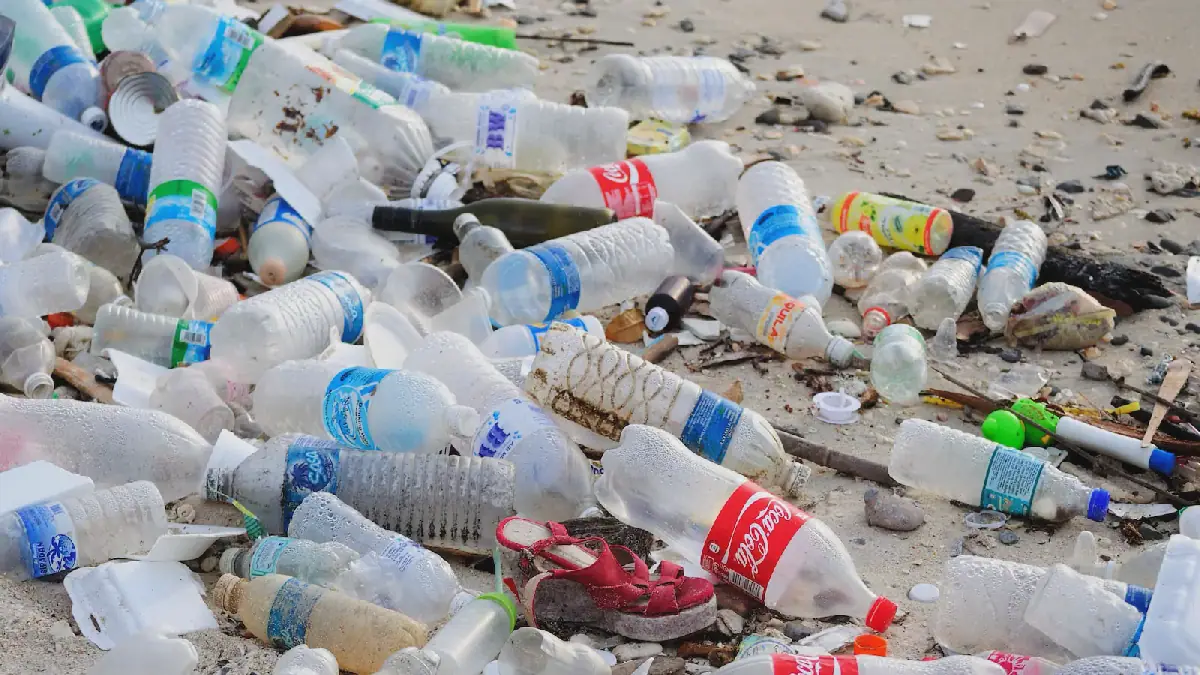
Plastic pollution in Tunisia has significant economic and environmental implications, with estimated annual costs ranging from $170 to $560 million. According to a report by Greenpeace Middle East and North Africa (MENA), this figure could rise to $3-10 billion by 2040 if no action is taken. The report, titled "Evaluating the Cost of Plastic Pollution in Egypt, Morocco, and Tunisia," highlights the urgent need for measures to mitigate plastic pollution in the region.
The impact of plastic pollution extends beyond economic costs, with communities living near uncontrolled landfills facing increased health risks. These risks include respiratory diseases, acute respiratory infections, dengue fever, and skin diseases. The report emphasizes that a significant portion of these losses can be avoided through concrete measures, such as banning single-use plastic products, which could reduce plastic waste in the Mediterranean by 23%.
The issue of plastic pollution is not unique to Tunisia, with the entire MENA region facing significant challenges. Approximately 229,000 tons of plastic waste enter the Mediterranean every year, contributing to a total of 155 million tons of waste produced annually in the region. This figure is expected to rise to 294 million tons by 2050. The economic costs of plastic pollution in the region are substantial, with estimated annual losses of $5.5 billion, potentially rising to $98 billion by 2040.
As the world prepares for negotiations on a global treaty against plastic pollution in March 2027, Tunisia has an opportunity to advocate for a binding agreement. The proposed treaty aims to limit plastic production, phase out single-use products, promote reuse, and ensure equitable financing for the transition to a zero-waste economy. The report stresses that delaying action will only increase the financial burden, emphasizing the need for urgent mobilization at the national, waste management, and international levels.
The connection between plastic pollution and climate change was highlighted at the 31st United Nations Climate Change Conference (COP31) in Antalya, Turkey. The conference supported initiatives to reduce waste, promote recycling, and accelerate the transition to a circular economy. In conjunction with the conference, the Global Zero-Waste Alliance was launched to transform zero-waste efforts into sustainable international partnerships and environmental cooperation projects.
The Tunisian government faces a pressing need to address plastic pollution to protect the country's coastline, resources, and citizens' health. The economic and environmental costs of inaction are substantial, with potential losses expected to rise significantly by 2040. By taking proactive measures, Tunisia can mitigate these impacts and contribute to global efforts to combat plastic pollution.
Key measures to address plastic pollution in Tunisia include implementing policies to limit plastic production, promoting recycling and reuse, and ensuring equitable financing for waste management. The report emphasizes that a coordinated approach, involving government, communities, and individuals, is essential to addressing the scale and complexity of the issue. By working together, Tunisia can reduce the economic and environmental costs of plastic pollution and create a more sustainable future.
Key points
- Plastic pollution costs Tunisia between $170 and $560 million annually.
- The issue of plastic pollution is not unique to Tunisia, with the entire MENA region facing significant challenges.
- A global treaty against plastic pollution is set to be negotiated in March 2027.