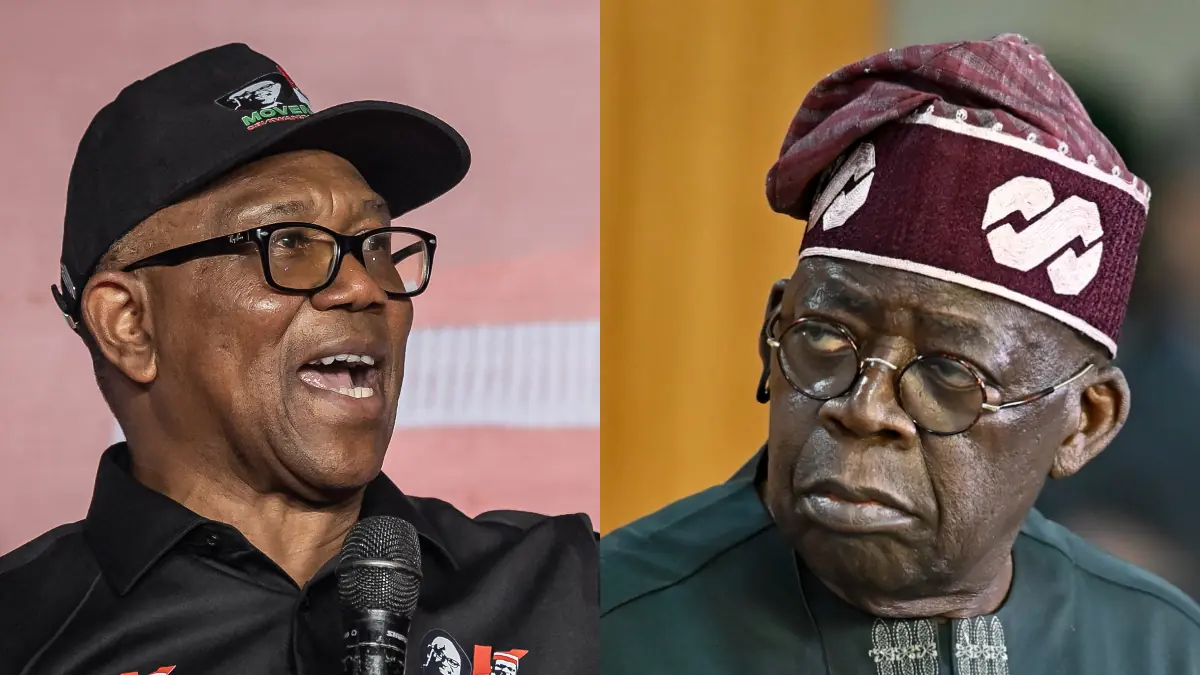
Peter Obi, the presidential candidate of the Nigeria Democratic Congress (NDC), has expressed his intention to restore and retain the fuel subsidy if elected in 2027. During an interview with the BBC, Obi reiterated his position that fuel subsidy itself is not the fundamental problem, but rather the corruption associated with its administration. He emphasized that his approach would differ from the current policy, which was abolished by President Bola Tinubu in May 2023.
President Bola Tinubu declared that "fuel subsidy is gone" during his May 29, 2023 inauguration, describing the regime as increasingly unsustainable and saying resources should instead be redirected to infrastructure and other public needs. The Tinubu administration has maintained that ending the subsidy was necessary to reduce pressure on government finances and eliminate what it regarded as a system prone to abuse and benefiting a limited group of beneficiaries.
Obi's position on subsidy has remained consistent, arguing that rather than abolishing the scheme, the government should eliminate the corruption associated with it and ensure that its benefits reach Nigerians. He stressed that he would remove the corruption and retain the subsidy if elected. Obi's approach to tackling corruption involves ensuring that political leaders and their immediate families are not involved in corrupt practices.
According to Obi, if political leaders and their families are not involved in corrupt practices, it reduces corruption by 50 percent. He also emphasized that leadership must prevent public officials and their families from becoming involved in the diversion of government resources. Obi's comments place him directly at odds with one of the defining economic policies of the Tinubu administration.
The subsidy issue has remained one of the most contentious aspects of Nigeria's economic debate since its removal in 2023, with its consequences reflected in the price of petrol, transportation, and other goods and services. The removal of the subsidy has had a significant impact on the country, with many Nigerians feeling the effects of the increased prices.
Obi also rejected the suggestion that he should step aside for another opposition candidate if opposition parties eventually agree to field a consensus candidate against the ruling party in 2027. He stated that he would personally take charge of his administration and reduce corruption, arguing that leadership must prevent public officials and their families from becoming involved in the diversion of government resources.
Obi's call for a return to the subsidy regime has sparked debate, with some analysts arguing that it could cost Nigeria N19.16 trillion annually. However, Obi remains committed to his position, emphasizing that the corruption associated with the subsidy must be eliminated to ensure that its benefits reach Nigerians. The issue is likely to continue to be a major point of contention in Nigeria's economic debate.
Key points
- Peter Obi plans to restore fuel subsidy if elected in 2027.
- Obi aims to eliminate corruption associated with the subsidy.
- Obi's position challenges President Bola Tinubu's economic policy.