The Sudanese Doctors' Union has reported a critical situation for cancer patients in Sudan, with over 467 patients in hospitals lacking treatment. This number does not account for patients in other facilities or those who have not sought medical help. The union's member, Dr. Adiba Ibrahim Sid, stated that the actual number of cancer cases across Sudan's various states is substantial and difficult to quantify.
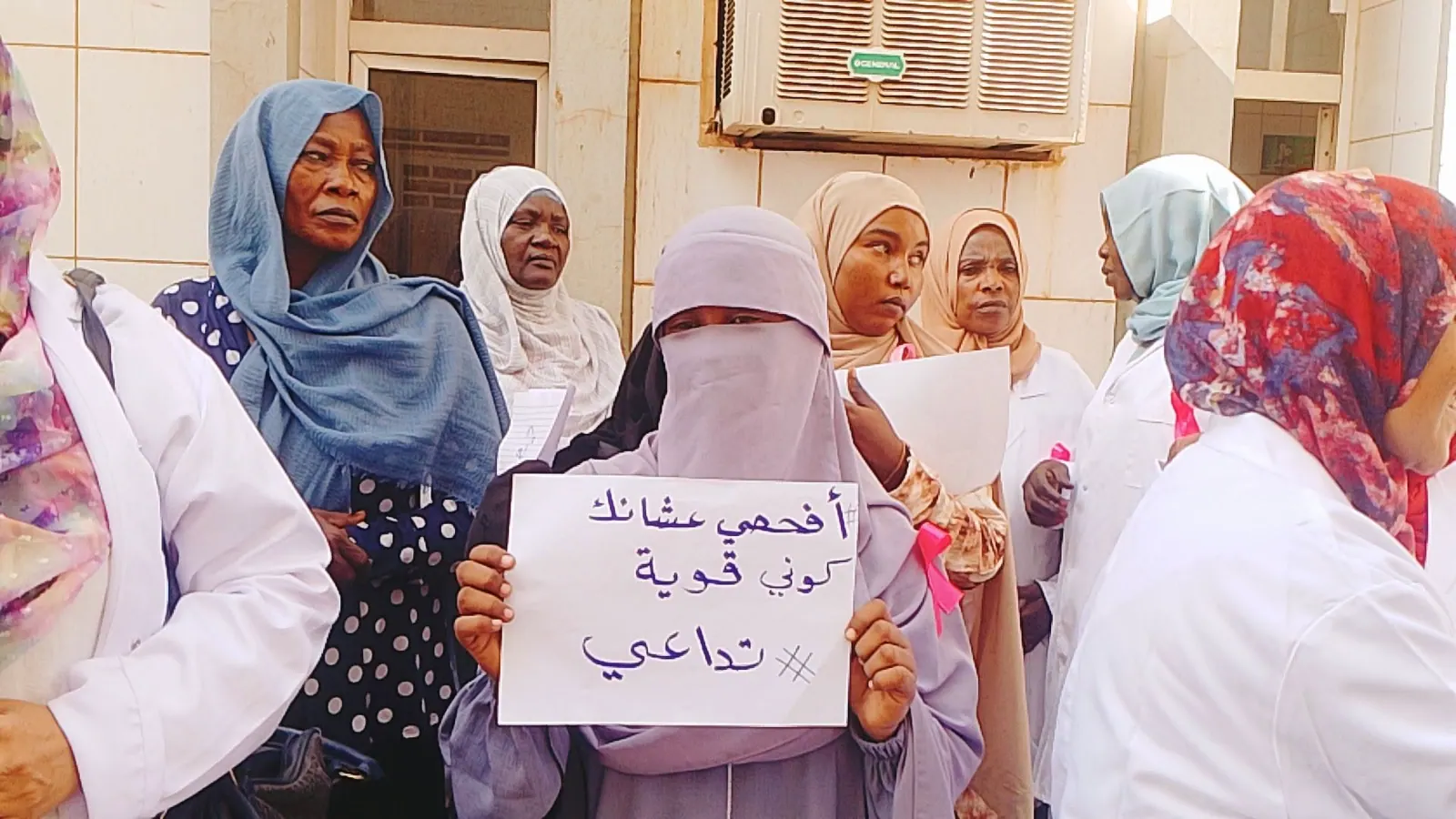
The crisis coincides with October, recognized as Breast Cancer Awareness Month, a period when global efforts focus on the importance of early detection. However, in Sudan, patients face significant challenges in accessing diagnosis and treatment due to the ongoing conflict and its impact on healthcare services. Dr. Sid mentioned that the recorded cases include various types of cancer, such as breast cancer, and that many patients have reached advanced stages of the disease.
The situation is exacerbated by the lack of necessary medications for cancer patients and materials used in chemotherapy, particularly after the damage to the Radiation Hospital. The shortage of treatment, combined with weakened immunity, has put patients at a high risk of death, prompting some to seek treatment abroad. Dr. Sid described the health situation in Sudan as "catastrophic," highlighting that the health sector has been in complete collapse since the war began.
The conflict has led to about 85% of hospitals being out of service, along with what the union describes as harassment of health workers and detention of doctors. Additionally, many have migrated. Dr. Sid emphasized the unavailability of several life-saving drugs and appealed to the Ministry of Health, the World Health Organization, and international health organizations to intervene in addressing the deteriorating health and humanitarian situation.
Furthermore, Dr. Sid warned of a rise in epidemic diseases in Khartoum, with malaria resurfacing due to environmental deterioration, mosquito proliferation, and lack of environmental sanitation. She reported over 125 cases of malaria with varying symptoms. The situation underscores the broader impact of the conflict on public health in Sudan.
The crisis in Sudan's healthcare system has led to a significant increase in mortality rates among cancer patients. The union and health experts are calling for immediate international intervention to address the shortages of medical supplies and to support the healthcare system. The ongoing conflict has severely strained the country's ability to provide essential health services.
The international community has been urged to work towards halting the conflict, which is seen as the root cause of the escalating health and humanitarian crisis in Sudan. Efforts to restore peace and stabilize the healthcare system are crucial to preventing further deterioration and loss of life among cancer patients and others affected by the conflict.
Key points
- Over 467 cancer patients in Sudan are without treatment.
- 143 cancer patient deaths have been reported in recent days.
- The healthcare crisis in Sudan is attributed to the ongoing conflict and its impact on healthcare services.