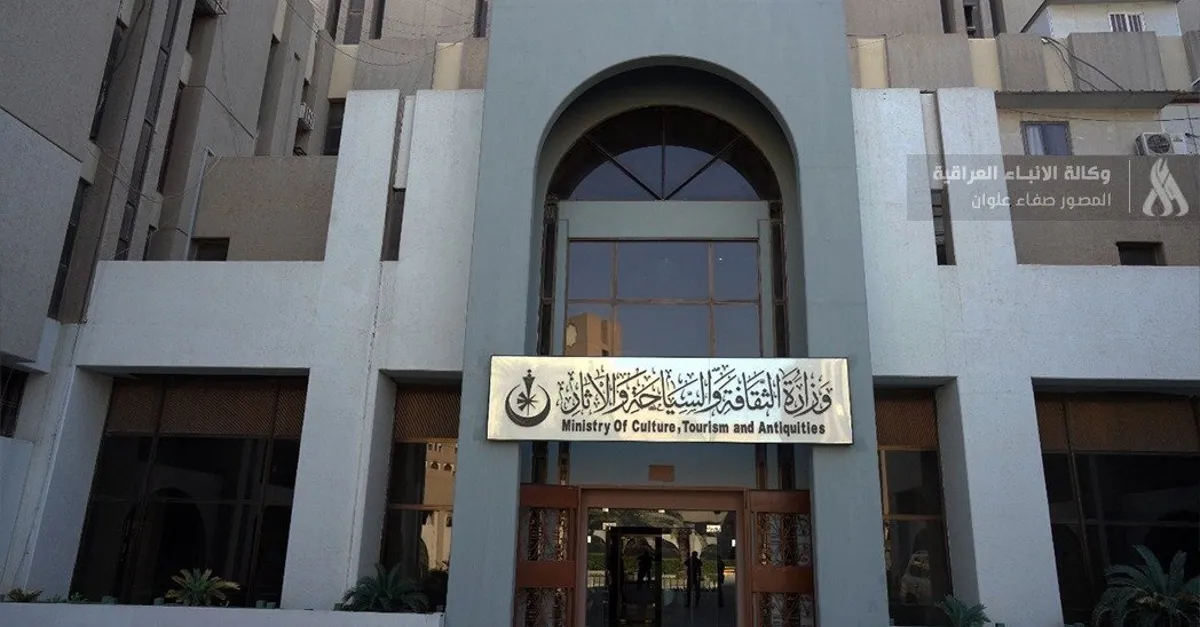
Iraq's Ministry of Culture, Tourism, and Antiquities has reported a significant surge in tourism, with approximately 10 million visitors in 2025. This growth is largely attributed to religious tourism, which constitutes the largest share and is a fundamental pillar of Iraq's tourism industry. The holy cities and religious sites, particularly in Karbala, Najaf, Baghdad, and Samarra, hosted millions of pilgrims during mass visits and religious occasions throughout 2025.
The Iraqi Ministry of Culture, Tourism, and Antiquities has noted that tourism has been a key sector in the country's economy, with various types of tourism contributing to its growth. In addition to religious tourism, the country also saw an increase in cultural and archaeological tourism, with many historical sites attracting visitors. These include the ancient city of Babylon, the Ziggurat of Ur in Dhi Qar province, and the marshes of southern Iraq, all of which are UNESCO World Heritage Sites.
The Iraqi tourism sector has also seen growth in natural and recreational tourism, particularly in the Kurdistan region and central Iraq, during the 2025 tourist season. The country's diverse landscapes, from mountains to deserts, offer a range of opportunities for tourists. However, the sector faces challenges, including the need for improved infrastructure and services to cater to the growing number of visitors.
According to Heba Al-Tamimi, a reporter for Al-Qahera News in Baghdad, the 10 million visitors in 2025 represent a significant increase in tourism, with various types of tourism contributing to this growth. The holy cities and religious sites, as well as cultural and archaeological sites, have been major attractions for visitors. The growth in tourism has also been driven by improved security and stability in the country.
Despite the growth in tourism, the sector faced a decline in 2026 due to security concerns in the region. The instability in the Middle East had a negative impact on tourism, not only in Iraq but also in other countries in the region. According to the Iraqi Ministry of Culture, Tourism, and Antiquities, the number of visitors in 2026 was lower compared to 2025.
The Iraqi government has been working to promote tourism and improve the sector's infrastructure. The Ministry of Culture, Tourism, and Antiquities has been implementing measures to enhance the tourist experience, including improving services and facilities at historical sites and promoting Iraq's cultural heritage. The growth in tourism has also created new opportunities for local businesses and communities.
The tourism sector is expected to continue playing a significant role in Iraq's economy, with the government working to address the challenges facing the sector. The country's rich cultural heritage and diverse landscapes offer a range of opportunities for tourists, and the sector is expected to continue growing in the coming years. Key factors contributing to the growth of tourism in Iraq include the country's cultural and historical significance, its natural beauty, and the efforts of the Iraqi government to promote tourism.
Key points
- The Iraqi tourism sector experienced significant growth in 2025, with 10 million visitors, driven primarily by religious tourism.
- The growth in tourism has been driven by improved security and stability in the country, as well as the efforts of the Iraqi government to promote tourism.
- Despite the growth in tourism, the sector faced a decline in 2026 due to security concerns in the region.