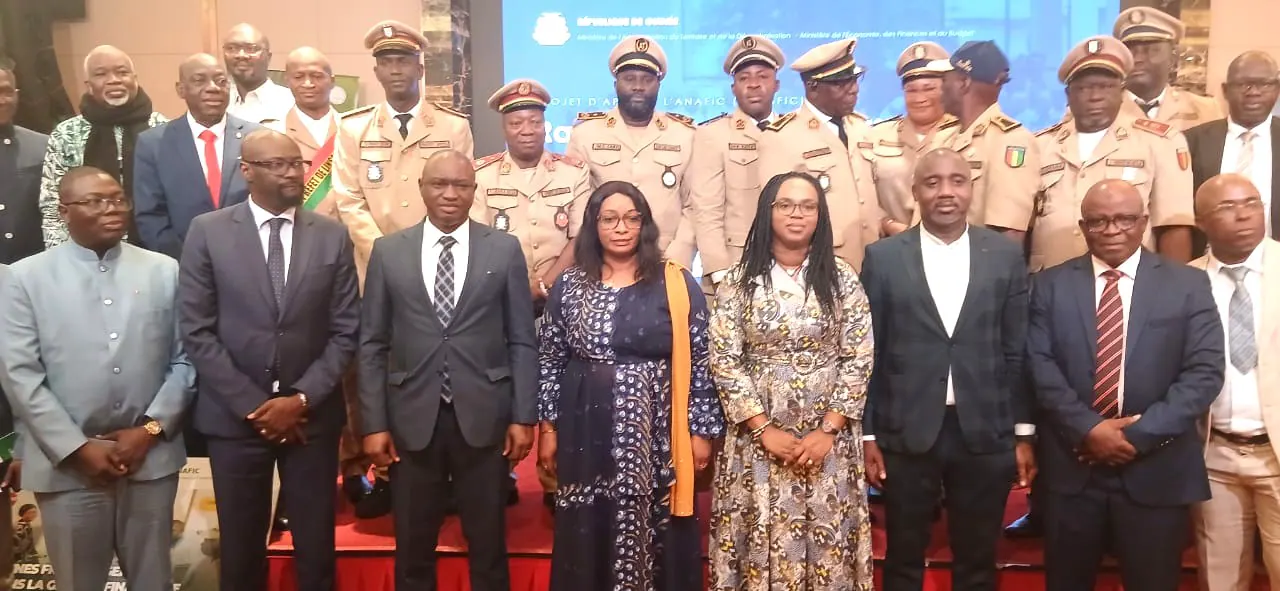
The Pan-African Local Government Finance Project (PANAFIC) has entered a new phase with a workshop held in Conakry on September 22. The event, organized by the National Agency for Local Government Finance (ANAFIC) in collaboration with the Guinean government and the French Development Agency (AFD), aims to review the project's achievements over six years. Participants, including mayors, sub-prefects, prefects, governors, and representatives of women's groups, will discuss the project's successes, challenges, and best practices.
According to Sékou M'Mawa Touré, Director-General of ANAFIC, the PANAFIC project aims to strengthen the capacities of decentralized communities and improve local development financing mechanisms. The project seeks to bring public action closer to the populations. Touré emphasized that the project's capitalization exercise is not just an inventory of achievements but an analysis of results to better prepare future interventions. He highlighted the importance of identifying what worked, understanding difficulties, and valorizing good practices.
The PANAFIC project was initially designed to support village communities but has progressively contributed to strengthening the capacities of ANAFIC and local communities. Moussa Doumbouya, representing the French Development Agency, considered the project a success, allowing the most remote territories in Guinea to be reached. The project has provided support for the establishment and improvement of tools to accompany communities in managing, planning, executing, and monitoring financing.
The project's intervention has focused on supporting the development of local plans and annual investment programs. It has also emphasized the importance of addressing climate change issues in community interventions. Djénabou Touré, Minister of Territorial Administration and Decentralization, reported that the €10 million mobilized for the PANAFIC project has been fully utilized, with most of the initial objectives achieved. She stated that over five million Guineans, mainly women, have benefited from the project's interventions.
The PANAFIC project has supported the implementation of over 100 micro-projects, including schools, health centers, and water points. It has also helped establish soap production units managed by women's groups and protected water sources and forests. The project has provided computer equipment to decentralized communities, enabling them to present their management accounts using digital tools for the first time.
The workshop aims to assess the impact of these interventions on the functioning of communities and their relationships with populations. The capitalization exercise seeks to identify effective devices, understand their reasons, and determine necessary adjustments for future decentralization and local development policies. The goal is to learn from successes and challenges to inform the design and implementation of future programs.
The lessons learned from the six-year PANAFIC project will serve as a reference for designing and implementing future programs to strengthen local communities and bring public services closer to the population. The project's review will help identify areas for improvement and inform policies that promote sustainable development in Guinea.
Key points
- The PANAFIC project has been considered a success, with over five million Guineans benefiting from its interventions.
- The project has provided computer equipment to decentralized communities, enabling them to present their management accounts using digital tools.
- The capitalization exercise aims to identify effective devices and necessary adjustments for future decentralization and local development policies.