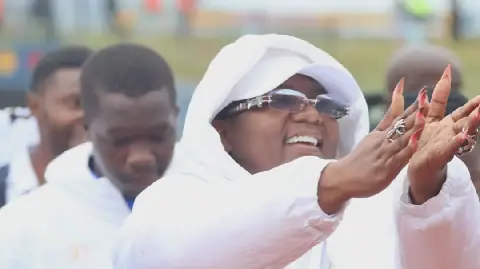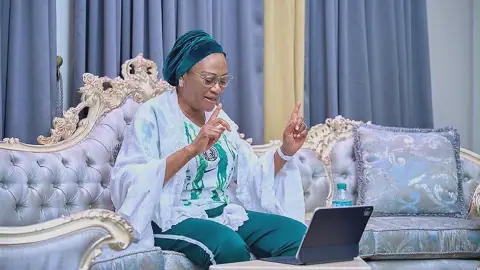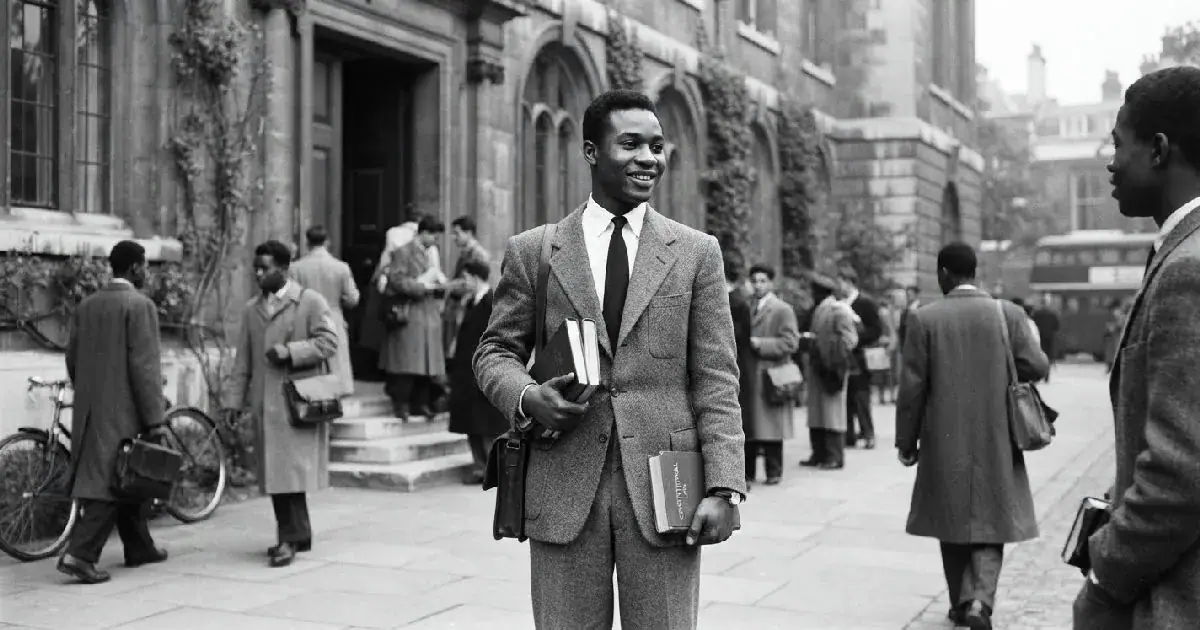
In 1950, Olufemi Jibowu, an 18-year-old Nigerian student, was captured in a series of photographs in London, offering a glimpse into a transformative era for Nigerians abroad. These images highlighted the rich legacy of her father, Justice Sir Olumuyiwa Jibowu, a distinguished jurist who made history in Nigeria's legal system. As the first African to serve on the Supreme Court of Nigeria, Sir Olumuyiwa Jibowu's career was a testament to breaking racial barriers within the British colonial legal system.
Born in Abeokuta, present-day Ogun State, on August 26, 1899, Jibowu hailed from a family already prominent in Egba public life. His father, Samuel Alexander Adebowale Jibowu, had served as the first secretary of the Egba United Government, a role that positioned him at the nexus of traditional authority and modern administration. This early exposure to governance and public service undoubtedly influenced the young Olumuyiwa, instilling in him a deep commitment to justice and nation-building.
Jibowu's educational journey began at Abeokuta Grammar School, where he later taught. In 1919, he embarked on a pivotal journey to London, enrolling at the University of Oxford, where he pursued a degree in Civil Law. His formal entry into the legal profession followed at Middle Temple, one of London's four Inns of Court. By August 8, 1923, he was called to the Bar, marking the beginning of a remarkable legal career.
The 1930s saw Jibowu making history with his appointments. In 1931, he became the first African to hold the position of police magistrate in Lagos. His ascendancy continued into the 1940s, with his appointment as a High Court judge in 1942, again shattering precedents as the first Nigerian to occupy that esteemed position. Each appointment expanded African participation in justice administration, chipping away at the colonial hierarchy.
Olufemi Jibowu's presence in London in 1950 was part of the evolving narrative of Nigerian women's education. At the time, access to advanced schooling within Nigeria was severely constrained, making opportunities for women particularly scant. Women like Olufemi, who traveled abroad for their studies, represented a smaller but significant cohort, navigating unfamiliar educational and social landscapes.
The International Students Club in Croydon, where Olufemi was photographed, symbolized a vital support network for overseas students. Such organizations provided crucial spaces for social interaction and cultural exchange, fostering a sense of community among young people living thousands of miles from their homes. These clubs were more than just social venues; they became crucibles of identity and solidarity.
Justice Jibowu's career peaked as Nigeria edged closer to independence, a period of intense transition for its institutions from colonial administration to self-governance. His appointment in 1957 as Chief Justice of the Lagos High Courts and Southern Cameroons solidified his standing as a leading legal authority. This milestone placed him at the apex of Nigeria's judicial system, demonstrating Nigerian capacity for leadership on the legal stage before full independence.
Key points
- Sir Olumuyiwa Jibowu was the first African to serve on the Supreme Court of Nigeria.
- Jibowu's appointments in the 1930s and 1940s expanded African participation in justice administration.
- Olufemi Jibowu's presence in London in 1950 was part of the narrative of Nigerian women's education.
Reporting sources
- olufemi jibowu 1950 photos reveal father’s legacy · Nigerian Compass