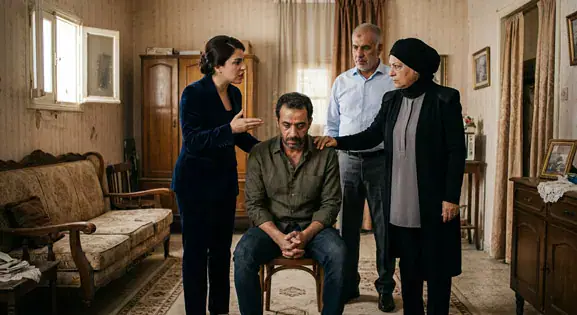
In Algeria, a stable marital life is built on emotional maturity, decision-making ability, and responsibility. However, some families lack these essential elements, leading to an imbalance in relationships. When a husband fails to express his opinions clearly or hesitates to make crucial decisions, it can significantly impact his relationship with his wife, family, and social circle. This absence of a clear stance can be perceived as a weak personality, creating an environment of conflict and competition for influence and decision-making.
According to specialist Dr. Dobb Aqila, it is crucial to differentiate between a weak personality and indecisiveness or fear of conflict. These behaviors may be linked to upbringing, past experiences, or socioeconomic pressures. Dr. Aqila emphasizes that these traits cannot be solely attributed to a fixed flaw in the husband's personality. Instead, they may be a result of various factors, including family dynamics and past experiences.
A husband's lack of assertiveness can lead to an imbalance in the marital relationship, particularly when the wife finds herself constantly making decisions or resolving disputes without equal discussion. This can cause the wife to exert more control, intervening in her husband's social relationships, making decisions on his behalf, or diminishing the value of his opinions. If this behavior persists without calm and clear boundaries, it can become a fixed pattern in the relationship.
The absence of clear mechanisms for managing the family, particularly by the husband, can allow relatives, friends, and family members to interfere. When a husband shares every disagreement with his family or allows them to make decisions on his behalf, trust can decline. The same applies if he permits his wife or her family to control his relationships and decisions without considering his rights and autonomy.
A woman shared her experience, stating that her husband always seeks to please everyone, even if their demands conflict. He may agree with her in the absence of his family but then change his stance when faced with objections from his parents or siblings. This has led to her becoming strict, which some may interpret as domineering or aggressive. Her conversations with her husband often turn into exchanges of accusations.
Dr. Aqila emphasizes that a person's behavior cannot be understood in isolation from their environment. A family with ongoing conflicts, poor communication, or a lack of boundaries can profoundly impact its members' behavior. Individuals who grow up in such environments may learn to avoid confrontation or submit to those with more influence. This can affect their ability to transition from being a child who follows guidance to becoming a husband who takes responsibility for his decisions and establishes an independent family.
The consequences of strained relationships can extend to children who grow up in an environment of tension. Children who witness one parent consistently imposing their will while the other retreats due to fear of confrontation may develop a distorted view of marital relationships. They may learn that control is a means of achieving their goals or that silence and submission are the only ways to avoid conflict.
Key points
- A husband's weak personality can lead to an imbalance in the marital relationship and affect family dynamics.
- Clear communication and boundaries are essential in maintaining a healthy marital relationship.
- A person's behavior is influenced by their environment and upbringing.
Reporting sources
- الزوج ضعيف الشخصية.. بين تسلط الزوجة وسيطرة العائلة المفرطة · Echorouk El Yawmi