Oxfam has raised concerns that climate change may lead to increased intercommunal tensions and deadly conflicts in Lakes State, South Sudan. As water sources dwindle and grazing lands disappear, competition for scarce natural resources is intensifying. This warning was issued by Kyamanywa Wycliffe, Oxfam's Area Coordinator in Lakes State, during a one-day climate change training organized by Oxfam and its partners.
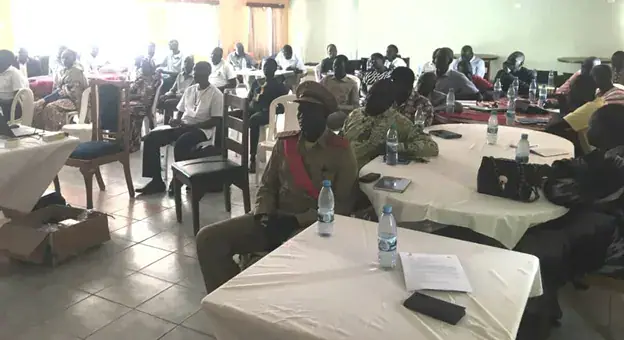
The training, held at Hill View Hotel in Rumbek, brought together government officials, humanitarian partners, chiefs, women, youth, and representatives from Rumbek East and Rumbek Centre counties. The aim was to discuss practical solutions for addressing climate-related challenges and preventing conflicts. Wycliffe emphasized that the threats posed by climate change extend beyond agriculture and education, endangering peace and security in the region.
As natural resources become increasingly scarce, communities are forced to search for water and pasture, which can lead to conflicts with neighboring groups. Wycliffe explained that the drying up of water sources and the lack of green pastures may push pastoralist communities to migrate, potentially creating tensions and triggering violence among neighboring communities.
The discussions during the training aimed to help stakeholders identify strategies to tackle the security challenges arising from climate-induced displacement and competition over natural resources. Participants sought to find ways to address the root causes of conflicts and develop effective solutions to mitigate the effects of climate change.
Philip Mawut Garang, the Caretaker Minister of Agriculture in Lakes State, called for enhanced cooperation between the government and humanitarian partners to address climate change and other pressing challenges facing communities. He highlighted climate change, the economic crisis, and upcoming elections as key issues requiring collective action.
Mawut assured partners of the government's commitment to providing necessary support, particularly in security matters, to facilitate their operations within communities. The one-day training is expected to conclude with recommendations on measures that the government and humanitarian partners can adopt to reduce climate-related risks, strengthen community resilience, and prevent potential conflicts in Lakes State.
The outcome of the training will be crucial in shaping the response to climate-related challenges in Lakes State. By working together, the government and humanitarian partners can help mitigate the effects of climate change and prevent conflicts. The collaboration will focus on providing support to communities and developing effective strategies to address the root causes of conflicts.
Key points
- Climate change may escalate intercommunal tensions and lead to deadly conflicts in Lakes State as water sources dwindle and grazing lands disappear.
- Oxfam and its partners are working with government officials and humanitarian partners to address climate-related challenges and prevent conflicts.
- The government has committed to providing necessary support to facilitate the operations of humanitarian partners in addressing climate change and other pressing challenges.