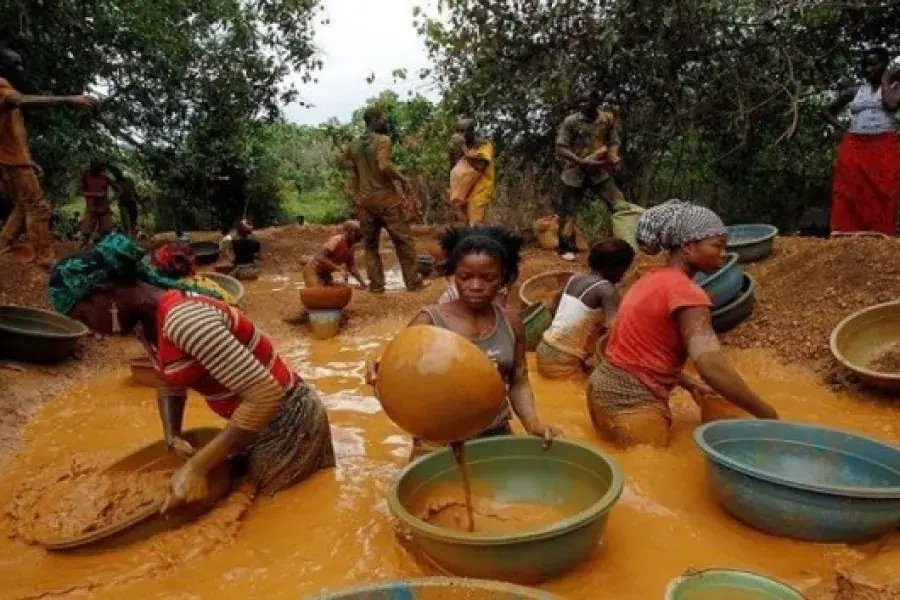
In Mali, the issue of artisanal gold mining, or "orpaillage," has been a recurring problem, with the government frequently banning the practice, but to little avail. The real reasons behind this phenomenon are more complex and multifaceted. Thousands of young people, often from rural areas or cities without jobs, are drawn to gold mining sites in search of a livelihood. Many of these youths are displaced due to conflicts in the Sahel region.
The consequences of artisanal gold mining are well-known and devastating. The practice results in the destruction of agricultural land, pollution of waterways, and degradation of ecosystems. Furthermore, the people involved in this activity are exposed to toxic substances, posing serious health risks. While it is essential to acknowledge the importance of gold mining for the country's economy, it is equally crucial to consider the long-term effects on the environment and the population.
A significant portion of the youths engaged in artisanal gold mining are not merely adventurers seeking easy money. Many are rural folk who have lost their agricultural livelihoods or urban dwellers without jobs or prospects. The situation is further complicated by the presence of displaced persons, primarily children who have grown up amidst violence and are now seeking to rebuild their lives. For some, gold mining sites have become a refuge, a place where they can still hope to earn a living.
Closing down gold mining sites without providing alternative solutions merely displaces the problem rather than resolving it. The mass migration of workers following bans in neighboring countries highlights the economic mobility that borders and forced evictions cannot control. The real question is not just how to stop artisanal gold mining but also why so many young people see it as one of their few survival options.
To address this issue effectively, it is essential to examine the root causes. Can agriculture still provide a viable livelihood for those leaving the sector? Do vocational training programs lead to meaningful employment opportunities? How do policies support displaced youth, and what alternatives are offered to those involved in gold mining when sites are closed? These questions require more than just temporary fixes and forced closures.
Protecting the environment is crucial, but safeguarding future generations also means providing them with reasons not to sacrifice their present. If the underlying issues are not addressed, sites will continue to be shut down, but the reasons driving people to them will persist. The Malian government and international organizations must work together to develop comprehensive solutions that balance economic needs with environmental protection and social responsibility.
The issue of artisanal gold mining in Mali serves as a symptom of a broader societal problem. It highlights the need for sustainable economic development, social support, and environmental stewardship. By understanding the complexities of this issue, stakeholders can work towards creating a more equitable and sustainable future for all Malians, particularly the young people who are most affected by this crisis.
Key points
- The Malian government must address the root causes of artisanal gold mining, including unemployment and lack of economic opportunities, to effectively combat the practice.
Reporting sources
- Orpaillage clandestin : Le mal est plus... · Maliweb.net