The debate on whether speaking Arabic is a requirement for being Egyptian has been reignited by recent remarks from Prime Minister Mostafa Madbouly. He described declining Arabic proficiency among students in international schools as a challenge to national identity and national security. This concern has sparked a nuanced conversation about language, identity, and the role of Arabic in Egyptian society. Many argue that Arabic is not simply a school subject, but a language through which generations have communicated and preserved traditions.
However, Egyptian children who cannot speak Arabic proficiently are not necessarily rejecting their identity. Many have grown up in a globalized world where English has become more necessary for everyday life. Research by Ron Darvin, professor of language and literacy education, suggests that English is connected to social class, inequality, and power in an increasingly globalized world. English is not just a tool for communication, but also a form of social and economic capital that influences how individuals are perceived and the opportunities available to them.
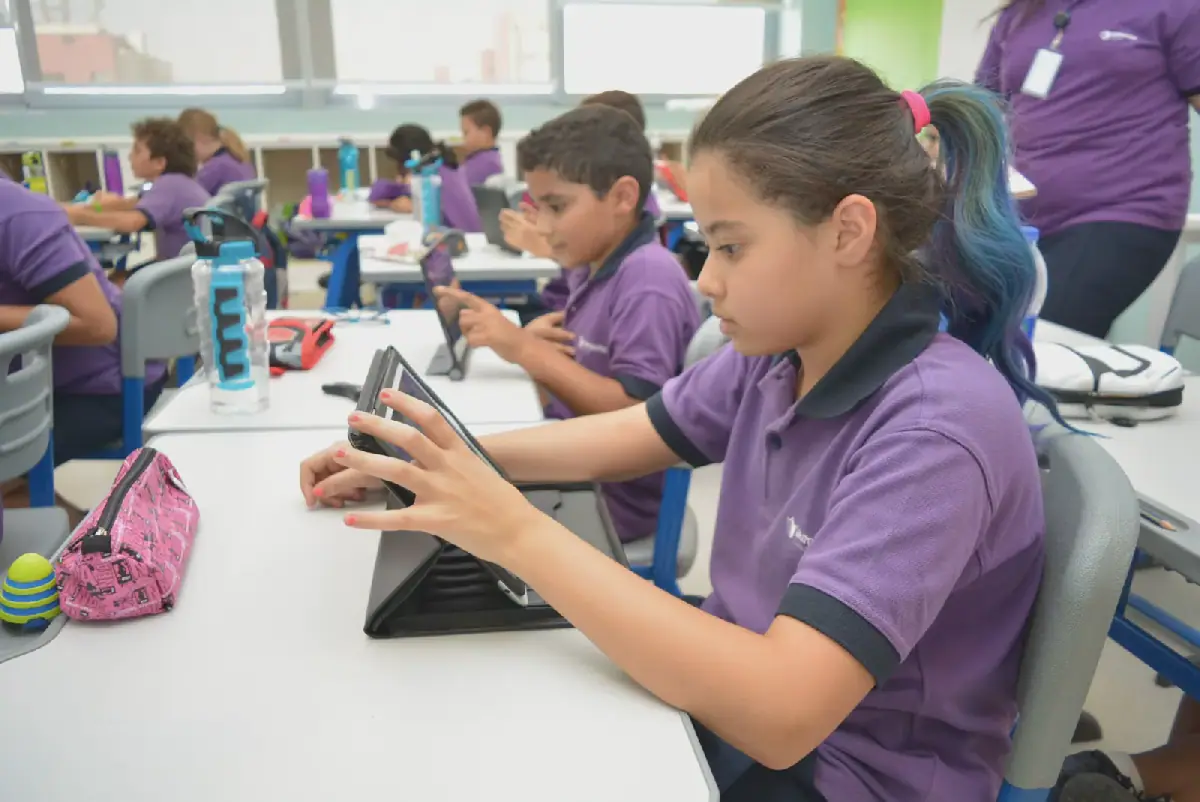
The imbalance in language proficiency can be attributed to the vastly different positions of Arabic and English in daily life. Children who spend most of their educational life thinking, reading, writing, and learning in English may struggle to acquire the same vocabulary and writing ability in Arabic. Rather than blaming the child, it's essential to ask why this imbalance exists. Social class and access to resources play a significant role in shaping attitudes towards English, with those from more privileged backgrounds having greater opportunities to develop their English skills.
The relationship between English and social class is complex, with English often reinforcing existing class divisions. Individuals from upper- and middle-class backgrounds tend to have greater access to high-quality education and resources, giving them an advantage over those from working-class backgrounds. However, English also represents an opportunity for social mobility, particularly for those from working-class backgrounds. Learning English can provide access to better employment opportunities, higher salaries, and further education.
Singapore's approach to language education offers a potential model for Egypt. The country has maintained a bilingual education policy, requiring students to learn English alongside a designated mother-tongue language. This approach recognizes the economic and social value of both languages, with English providing access to international markets and mother-tongue languages helping to preserve cultural heritage.
Egypt can adopt a similar mindset, valuing both Arabic and English for different reasons. Mastering Arabic connects Egyptians to their society, heritage, and communities, while mastering English connects them to international opportunities, attracts investment, and strengthens the workforce. These ambitions do not have to be treated as competing interests. A generation that speaks English fluently is not necessarily a generation that has abandoned Egypt, but one that could represent Egypt internationally and introduce Egyptian culture to the rest of the world.
Ultimately, the conversation around language identity in Egypt must consider the complexities of globalization and social class. Rather than stigmatizing those who do not speak Arabic proficiently, Egypt should focus on providing equal access to language education and resources. By valuing both Arabic and English, Egypt can promote national identity while also preparing its citizens for success in a globalized economy.
Key points
- Egypt's language education policy could benefit from a bilingual approach, valuing both Arabic and English.
Reporting sources
- Is Speaking Arabic a Requirement for Being Egyptian? · Egyptian Streets