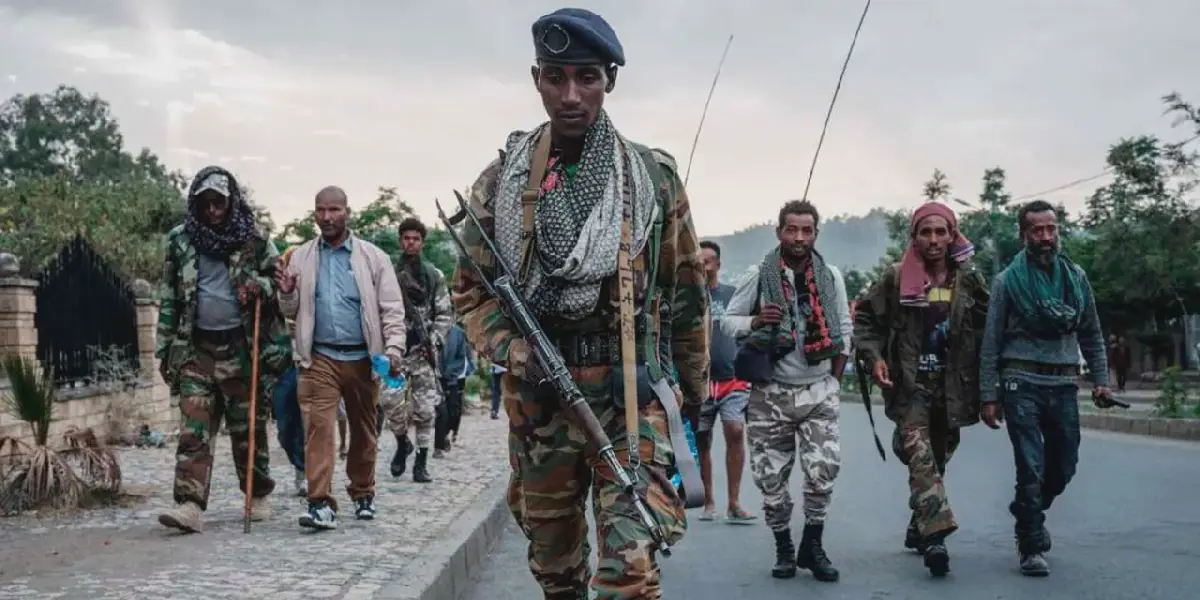
The number of Ethiopian refugees crossing into Kenya through Moyale has surpassed 50,000, according to the United Nations High Commissioner for Refugees (UNHCR). This surge comes as clashes between forces and local militia in Ethiopia's Oromia and Somali regions enter their eighth day. The UNHCR reports that women and children make up the majority of those fleeing their homes. Many have found temporary shelter with relatives and locals, while others are accommodated in schools and churches.
The UNHCR has identified food as an urgent need, with refugees also requiring clean water, temporary shelter, healthcare, and sanitation facilities. The agency is working with the Kenyan government, the Department of Refugee Services, and other organizations to provide emergency assistance to approximately 12,000 people. Efforts are underway to relocate refugee camps from areas near the border to enhance security.
Deputy County Commissioner of Moyale, Benedict Munywoki, stated that the number of people crossing the border continues to rise due to frequent gunfire. An assessment is ongoing to determine the exact number of those who have entered Kenya, with aid agencies collaborating to provide assistance. The Kenyan government has deployed additional security personnel to the Moyale area to ensure public safety.
Marsabit County Commissioner, Stanley Kamande, reported that police and Kenyan military personnel have increased patrols in Moyale and border areas to maintain security. Meanwhile, seven individuals are being investigated for allegedly spreading hate speech and inciting community conflicts through social media. Kamande urged Kenyans to avoid making statements that could escalate tensions.
The conflict in Ethiopia's Oromia and Somali regions has led to a significant influx of refugees into Kenya. The UNHCR is working to provide critical assistance to those fleeing violence. The situation remains volatile, with ongoing clashes and a rising number of refugees.
The Kenyan government, in collaboration with international organizations, is working to address the humanitarian needs of the refugees. The response includes providing emergency food, shelter, and medical care. Efforts are also being made to ensure the security and well-being of both the refugees and local communities.
As the situation in Ethiopia continues to unfold, the international community is closely monitoring the crisis. The UNHCR and other aid agencies are urging calm and emphasizing the importance of respecting the sovereignty and territorial integrity of nations.
Key points
- Over 50,000 Ethiopian refugees have fled to Kenya due to ongoing clashes in Ethiopia's Oromia and Somali regions.
- The UNHCR has identified food, clean water, shelter, healthcare, and sanitation as urgent needs for the refugees.
- The Kenyan government has deployed additional security personnel to ensure public safety and maintain order in the region.