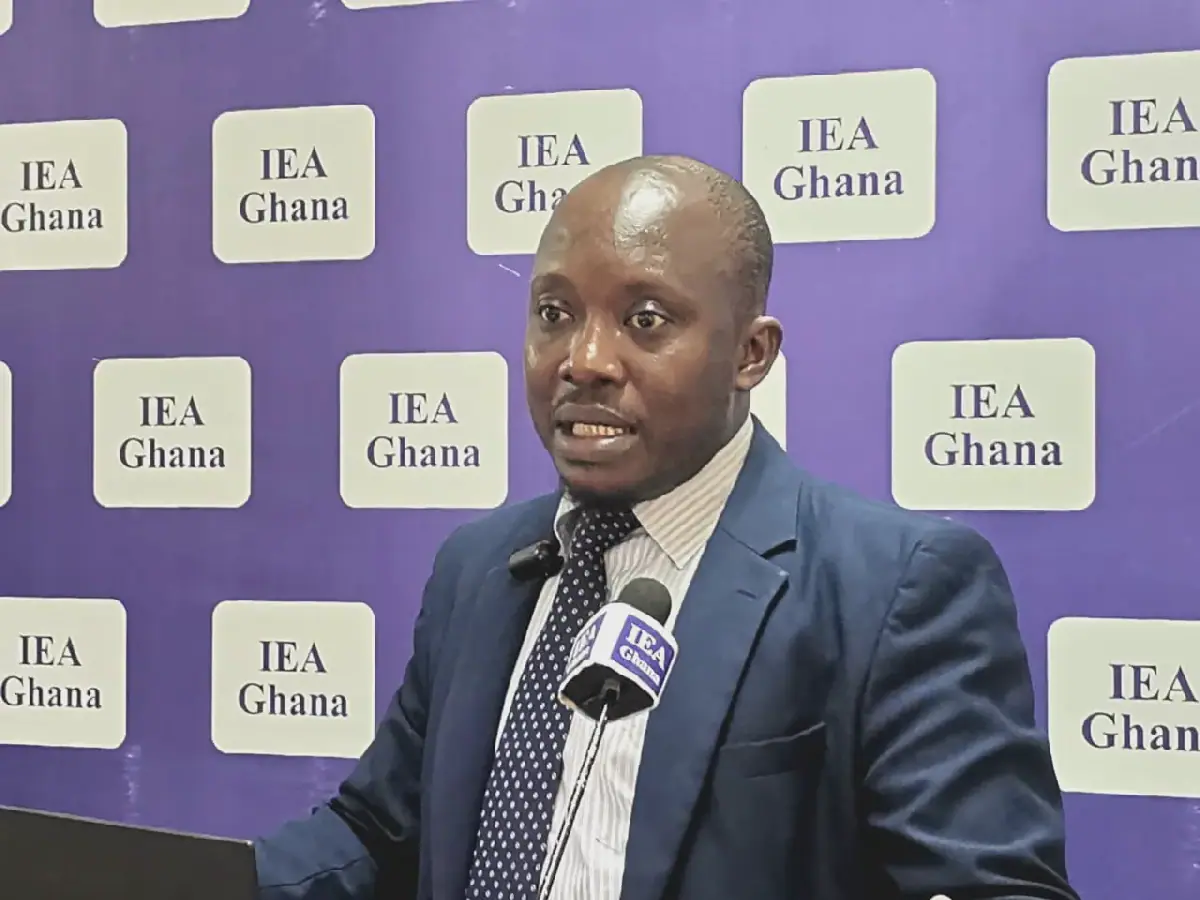
The Institute of Economic Affairs (IEA) Ghana has launched a year-long programme to support Ghana's preparations for its first nuclear power plant. The programme, known as the Ghana Nuclear Phase II Completion and Investment Readiness Support Programme, will focus on institutional readiness, workforce capacity, and investment planning. This initiative aims to identify capacity gaps and guide implementation priorities through policy research, technical consultations, and institutional assessments.
The programme was announced at an inception workshop in Accra, where stakeholders discussed regulatory preparedness, human capacity development, and immediate steps towards advancing the programme. According to Mr. Raymond Agalga, Project Lead, the initiative will assess workforce competencies and sustainability challenges to prepare national institutions for the next phase of Ghana's nuclear power programme. This will involve structured engagements with relevant institutions to clarify implementation priorities and establish mechanisms for monitoring progress.
Ghana has made progress in laying the foundations for its nuclear energy programme, but sustained efforts are needed to address institutional effectiveness, technical preparedness, financing, regulatory capacity, and coordination. The IEA initiative seeks to contribute to these efforts through targeted policy research, technical engagement, institutional assessments, stakeholder consultations, and practical decision support instruments. This will help improve information sharing and ensure that national nuclear infrastructure requirements are met.
Professor David Kpegloh, a scientist at the University of Ghana's School of Nuclear and Allied Sciences and chair of the workshop, emphasised the significant role nuclear power has to play in Ghana's energy mix. He called for an effective, independent, and adequately resourced regulatory system to ensure the safe and secure development of nuclear power. This is crucial for Ghana's nuclear power programme to move forward successfully.
Dr. Robert Sogbadji, Deputy Director in charge of Nuclear and Energy Green Technology at the Ministry of Energy and Green Transition, noted that the government had acquired a site in the Central Region for consideration for the plant's construction. He highlighted that nuclear energy was increasingly being considered across Africa to address power deficits and support industrialisation and economic growth. Dr. Sogbadji also stressed the need for coordination among institutions responsible for delivering Ghana's nuclear power programme.
Ghana is implementing Phase Two of the International Atomic Energy Agency's (IAEA) Milestones Approach, which guides countries in developing nuclear power programmes. The phase covers institutional, technical, regulatory, and financial preparations for the safe and sustainable introduction of nuclear electricity generation. This approach will help Ghana ensure that its nuclear power programme meets international standards and best practices.
Ghana's nuclear power programme dates back to the 1960s but was interrupted by political instability. In 2008, the government established a presidential committee to assess the feasibility of including nuclear power in the country's energy mix. Following the committee's report, the Ghana Nuclear Power Programme Organisation (GNPPO) was established to oversee the programme's development. The IEA's support programme is a significant step towards reviving and advancing Ghana's nuclear power programme.
Key points
- The IEA Ghana's programme will focus on institutional readiness, workforce capacity, and investment planning for Ghana's first nuclear power plant.
- The programme aims to identify capacity gaps and guide implementation priorities through policy research, technical consultations, and institutional assessments.
- Ghana's nuclear power programme has the potential to address power deficits and support industrialisation and economic growth in the country.