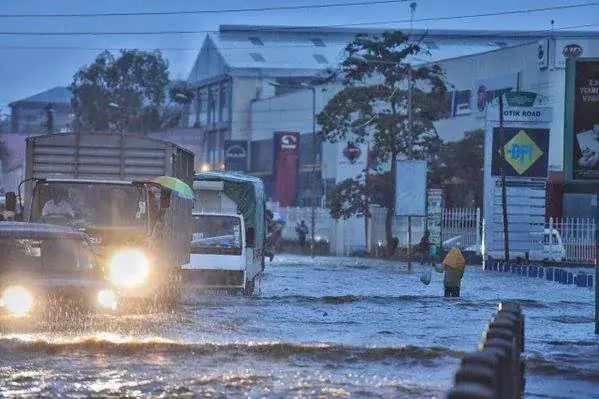
The Kenya Meteorological Department has reaffirmed its forecast for above-average rainfall across the country during the October-December 2026 season. Despite the current hot and dry conditions, meteorologists maintain that enhanced rainfall associated with the El Niño phenomenon is expected across more than 40 counties. This forecast was initially made with a 99 percent probability of above-normal rainfall for the short rains season.
The government projects that heavy downpours will persist through January and February 2027, with the timing, distribution, and intensity of the rains varying by region. Weather authorities emphasize that the rains will not occur simultaneously nationwide. According to the seasonal outlook, rainfall is expected to begin in western Kenya and the Lake Victoria Basin, including Kisumu, Kakamega, and Busia, before spreading across the country.
In Nairobi and the central highlands, including Kiambu, Murang'a, Nyeri, Kirinyaga, Nyandarua, Laikipia, Meru, Embu, and Tharaka-Nithi, the onset of rains was projected between the second and third weeks of October, extending into January. Southeastern counties, such as Machakos, Kitui, Makueni, and Kajiado, the coastal strip, including Mombasa, Kwale, Kilifi, and Lamu, and northeastern regions, including Marsabit, Mandera, Wajir, Garissa, and Isiolo, are similarly forecasted to receive rains through October.
Meteorologists attribute the current dry spell to the complex interaction between global sea surface temperatures and regional atmospheric systems like the Indian Ocean Dipole. The department cautions that El Niño strength alone does not dictate localized rainfall timing and advises against misinterpreting isolated showers as the formal start of the rainy season.
While the anticipated rains are set to boost agricultural production, replenish water reservoirs, and improve pasture for pastoralists, authorities have warned of significant risks, including flash flooding, landslides, infrastructure damage, and waterlogged farmlands. The Ministry of Health has issued advisories to all 47 counties to prepare for potential waterborne disease outbreaks, such as cholera and typhoid, and vector-borne illnesses linked to floodwaters.
Residents in flood-prone areas have been urged to remain vigilant, avoid crossing flooded roads or rivers, and monitor regular updates from county weather offices. The Kenya Meteorological Department's forecast is crucial for farmers, policymakers, and disaster management teams to prepare for the potential impacts of the El Niño phenomenon.
The department's warning comes as Kenya and other parts of East Africa have experienced significant climate-related challenges in recent years, including droughts and floods. Effective preparedness and response measures will be essential to mitigate the potential effects of the forecasted El Niño rains.
Key points
- Kenya Meteorological Department maintains El Niño forecast for October-December 2026 season.
- Above-average rainfall expected across more than 40 counties, with heavy downpours persisting through January and February 2027.
- Authorities warn of significant risks, including flash flooding, landslides, infrastructure damage, and waterlogged farmlands.