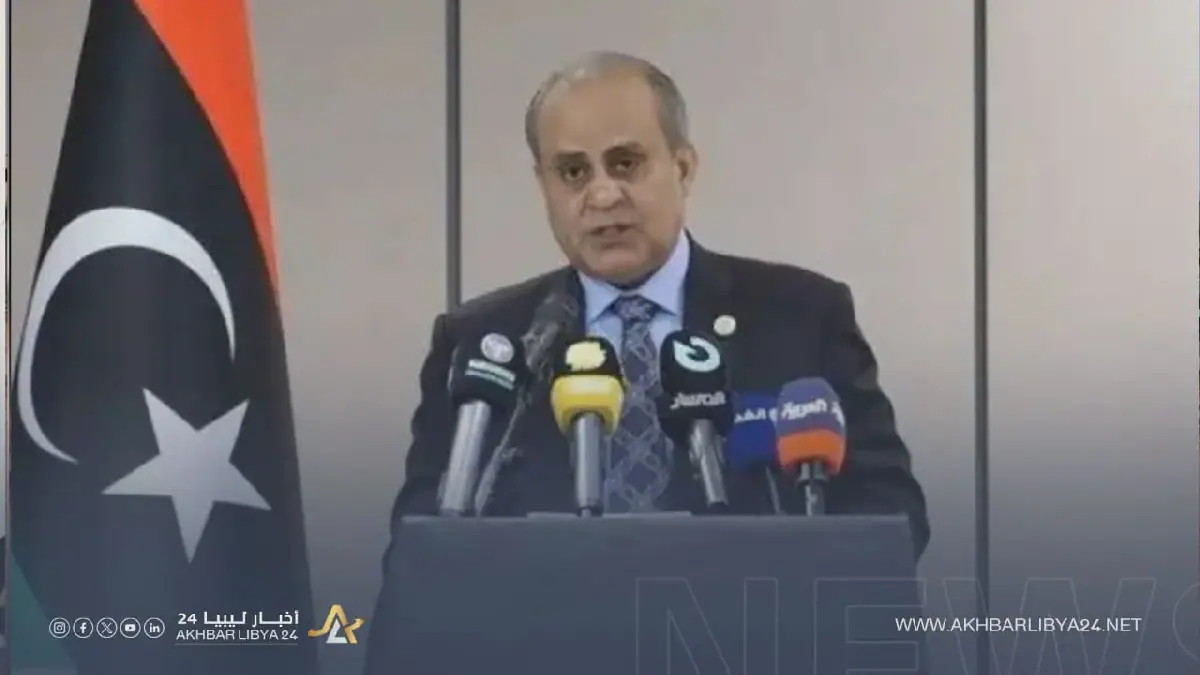
Libya's economic situation has taken a turn for the worse, with over 40% of the population now living below the poverty line. According to Ahmed Abreidan, head of the National Planning Council, this is a direct result of the country's ongoing economic crises. The situation is dire, with many citizens struggling to make ends meet. The crisis has been building over the years, and its impact is being felt across the country.
The decline of the Libyan dinar has contributed significantly to the economic hardship faced by Libyans. Abreidan noted that the currency has lost around 85% of its value over the past decade. This has severely affected the purchasing power of citizens, making it difficult for them to afford even the most basic necessities. The situation has left many families struggling to survive.
The National Planning Council chief has warned that if the economic situation continues to deteriorate, it will pose a significant threat to the country's financial and monetary stability. The crisis will only worsen the living conditions of Libyan families across all segments of society. It is imperative that the government takes immediate action to address these challenges.
To mitigate the economic crisis, Abreidan emphasized the need for urgent priorities to be set. These include rationalizing public spending and reducing pressure on the exchange rate. The government must also work to enhance revenue collection efficiency and carefully regulate import operations. This will help stem the outflow of foreign currency and reduce the depletion of foreign exchange reserves.
The economic crisis in Libya has been exacerbated by the ongoing instability in the country. The situation has been further complicated by the decline of the dinar, which has made it difficult for the government to import essential goods and services. As a result, many Libyans are struggling to access basic necessities like food, medicine, and other essential items.
Abreidan's warning comes at a time when Libya is struggling to recover from years of conflict and instability. The country's economy has been severely impacted, and the situation is only getting worse. The government must take immediate action to address the economic crisis and work towards sustainable economic recovery.
The situation in Libya requires a comprehensive and coordinated response from the government and international partners. The international community must provide support to help Libya address its economic challenges and work towards stability and prosperity. The country's future depends on it.
Key points
- Over 40% of Libyans are living below the poverty line due to economic crises.
- The Libyan dinar has lost around 85% of its value over the past decade.
- The economic crisis poses a significant threat to Libya's financial and monetary stability.