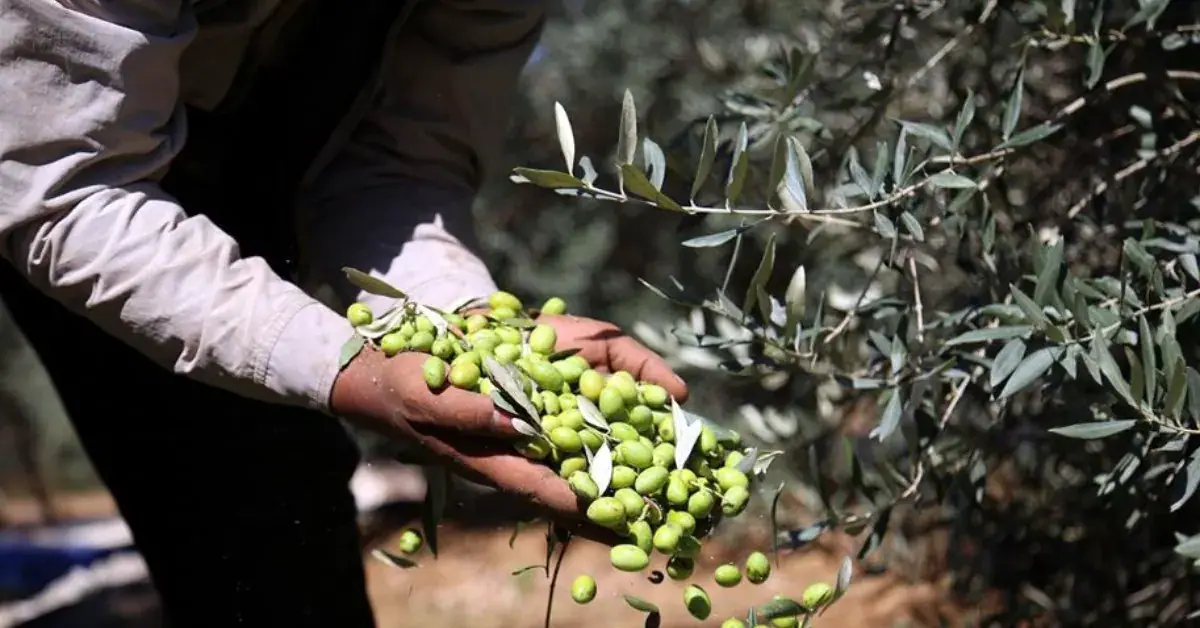
The olive harvest season has officially begun in Tunisia's Sfax governorate, with expectations of a significant yield. According to Kamel Hadhili, the person in charge of managing the Sfax Regional Commission for Agricultural Development, the season is expected to produce around 275,000 tons of olives, which translates to approximately 57,000 tons of olive oil. This year's harvest is taking place at the agricultural and industrial complex "Bouazita" in the delegation of Menzel Chaker.
The Sfax governorate's olive harvest season is not just an agricultural event, but a comprehensive economic and social cycle that involves thousands of families. Mohamed Hajri, the governor of Sfax, emphasized that the season provides economic momentum for various sectors, including agriculture, transportation, processing, and export. He highlighted the importance of coordination among all stakeholders, including farmers, mill owners, exporters, and regional authorities, to ensure the success of the season.
Despite a decline in production compared to the previous season, which recorded a historic yield, the current season's harvest is still considered significant. Governor Hajri pointed out that the main challenges facing the season are related to harvesting, processing, exporting, and marketing. He stressed the need for collective efforts to overcome these challenges and ensure a successful season.
The governor of Sfax also acknowledged the crucial role of Tunisian women in the success of the olive harvest season. He noted that women bear the bulk of the harvesting workload, alongside other workers and farmers who contributed to the success of the previous season. The governor's comments highlight the importance of recognizing and appreciating the contributions of women in the agricultural sector.
The olive harvest season in Sfax is a vital economic and social activity that supports the livelihoods of thousands of families. The sector provides employment opportunities and generates significant revenue for the region. As the season progresses, stakeholders will be closely monitoring the yield and working to address any challenges that may arise.
In related news, the city of Sfax has been witnessing various development projects aimed at improving the region's infrastructure and services. Recently, the city of Sfax was in the news for the launch of a new medical device at the Hadi Chaker Hospital.
As the olive harvest season continues, farmers and stakeholders in Sfax are working hard to ensure a successful outcome. With the right approach and coordination, the season is expected to have a positive impact on the region's economy and social activities. The authorities are optimistic about the season's prospects and are working to address any challenges that may arise.
Key points
- The olive harvest season in Tunisia's Sfax governorate is expected to produce around 275,000 tons of olives.
- The season provides economic momentum for various sectors, including agriculture, transportation, processing, and export.
- Tunisian women play a crucial role in the success of the olive harvest season, bearing the bulk of the harvesting workload.