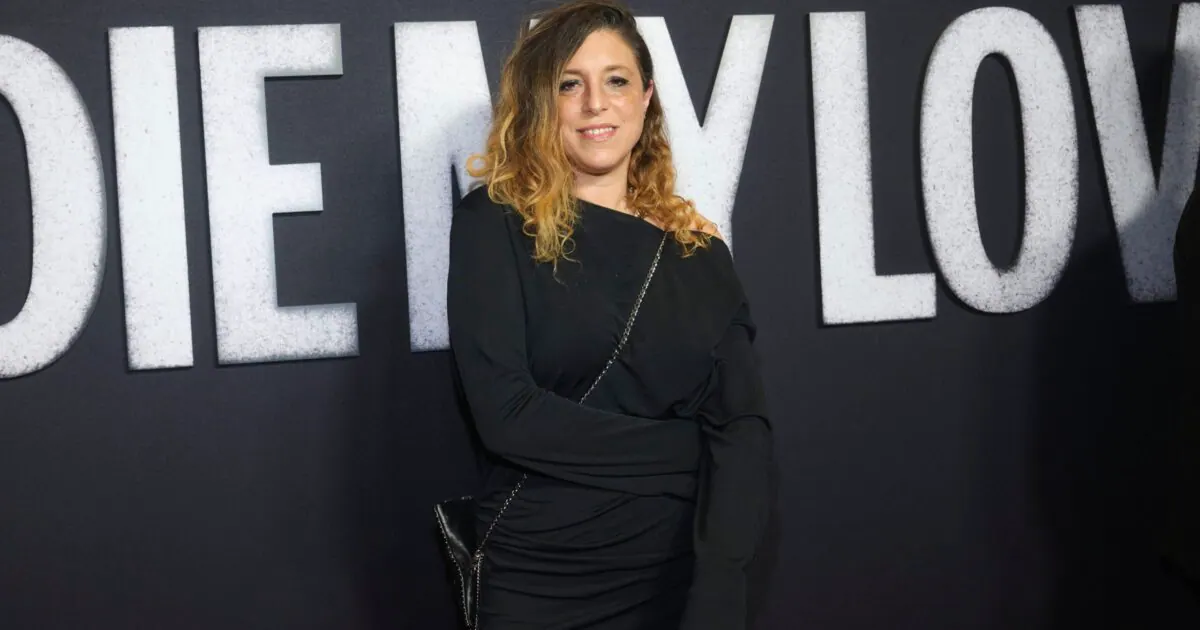
Ariana Harwicz, a Jewish Argentinian novelist, was scheduled to participate in a talk at the Cultur Alh festival for arts and literature at the University of Granada on September 26. However, the festival organisers cancelled her talk and rescinded her invitation after university activists complained about Harwicz's views on Israel. Harwicz has been vocal in her opposition to cultural boycotts against Israeli writers and artists, which she describes as "antisemitism".
The University of Granada stated that it was not involved in disinviting Harwicz and criticised the decision. The university emphasised that it should be a space open to critical thinking, the exchange of ideas, and the expression of diverse viewpoints, even when these are dissenting or controversial. Harwicz received support from 352 cultural figures, including the Spanish philosopher Fernando Savater and the former French prime minister Manuel Valls.
The signatories of the petition called on the festival to explain its decision and offer Harwicz public redress. They argued that the festival was denying "pluralism" and "the freedom to dissent". The petition, circulated by the Federation of Jewish Communities of Spain, stated that it does not demand that anyone share Harwicz's opinions, but rather that no one be removed from cultural life for holding their own ideas.
The renowned Irish writer John Banville, who was set to headline the event, dropped out after Harwicz's cancellation. The University Network for Palestine, a platform for Spanish students and university staff, acknowledged that it asked the festival organisers to reconsider Harwicz's participation. However, the activists denied posing "threats or calls to action".
Ana Gallego Cuiñas, one of the festival directors and a University of Granada professor, confirmed that Harwicz's appearance was cancelled after requests from the university community. She stated that the choice was made within the framework of the school's "institutional commitments to Palestine and human rights". The Spanish government has been a staunch critic of Israel, with Prime Minister Pedro Sánchez calling Israel a "genocidal state".
The International Court of Justice is currently adjudicating accusations of genocide against Israel, although it has not issued a final ruling. Harwicz has dismissed accusations of "genocide" against Israel. The petition in support of Harwicz was seen as a significant show of solidarity with the author and a defence of free speech.
The controversy surrounding Harwicz's cancellation has sparked a wider debate about free speech, cultural boycotts, and antisemitism. The Federation of Jewish Communities of Spain, which circulated the petition, emphasised the importance of protecting diverse viewpoints and preventing the removal of individuals from cultural life due to their opinions.
Key points
- The cancellation of Ariana Harwicz's talk at the Cultur Alh festival has sparked a wider debate about free speech and cultural boycotts.
- Over 350 cultural figures have signed a petition in support of Harwicz, calling on the festival to explain its decision and offer her public redress.
- The University of Granada has criticised the festival's decision, emphasising the importance of protecting diverse viewpoints and promoting critical thinking.