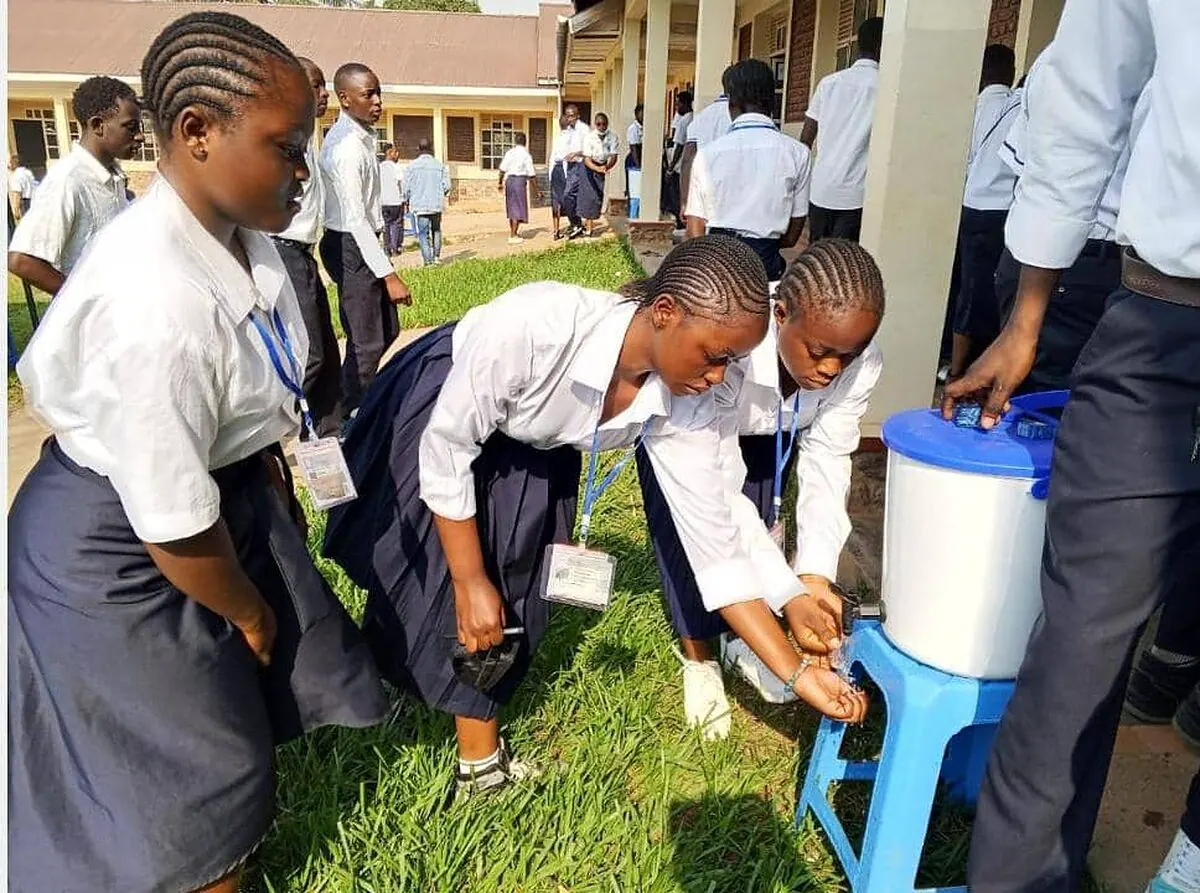
The UNICEF-led initiative aims to enhance health security for students and staff in North Kivu province. Over 300 schools in the cities of Beni and Butembo, as well as Lubero territory, will receive equipment to prevent the spread of Ebola. The program, launched on October 8, 2026, seeks to improve hygiene practices and strengthen health surveillance in schools. This effort is crucial in the current context, where vigilance against Ebola transmission risks is high.
The program involves distributing handwashing kits and non-contact thermometers to targeted schools. The launch ceremony in Beni and Butembo brought together UNICEF teams, provincial authorities, and representatives from the Children's Parliament and student committees. These equipment will enable beneficiary schools to enhance their hygiene practices and strengthen health surveillance. Regular handwashing and temperature checks for students, teachers, and visitors will be implemented.
In Butembo, the equipment addresses challenges faced by several schools lacking adequate materials for effective prevention. Donat Kazimili, prefect of the Reine du Ciel school complex, highlighted the usefulness of these equipment for monitoring students' health. Non-contact thermometers will facilitate temperature checks for students upon arrival and departure, reinforcing precautionary measures in schools.
The initiative targets over 100 schools in Butembo and around 50 schools in Lubero territory. By providing these equipment, UNICEF and its partners aim to consolidate Ebola prevention mechanisms in North Kivu's educational settings. The goal is also to promote health-protective behaviors among students, making schools better prepared to face health risks.
The program is a collaborative effort between UNICEF, provincial education and health services, and local authorities. By working together, they seek to create safer learning environments for students and staff. The equipment distribution is a significant step towards achieving this objective.
According to UNICEF, the program will not only provide equipment but also promote health education among students. By making schools safer, the initiative aims to reduce the risk of Ebola transmission in North Kivu. The effort is part of a broader strategy to protect the health and well-being of students and staff in the region.
The Ebola prevention program in North Kivu's schools is a timely intervention, given the ongoing health concerns in the region. By enhancing hygiene practices and health surveillance, the initiative is expected to make a positive impact on the health and safety of students and staff. The program's success will depend on continued collaboration between UNICEF, local authorities, and educational institutions.
Key points
- UNICEF leads initiative to provide Ebola prevention equipment to over 300 schools in North Kivu.
- Program aims to improve hygiene practices and strengthen health surveillance in schools.
- Initiative targets schools in Beni, Butembo, and Lubero territory, with over 100 schools in Butembo and 50 in Lubero set to benefit.