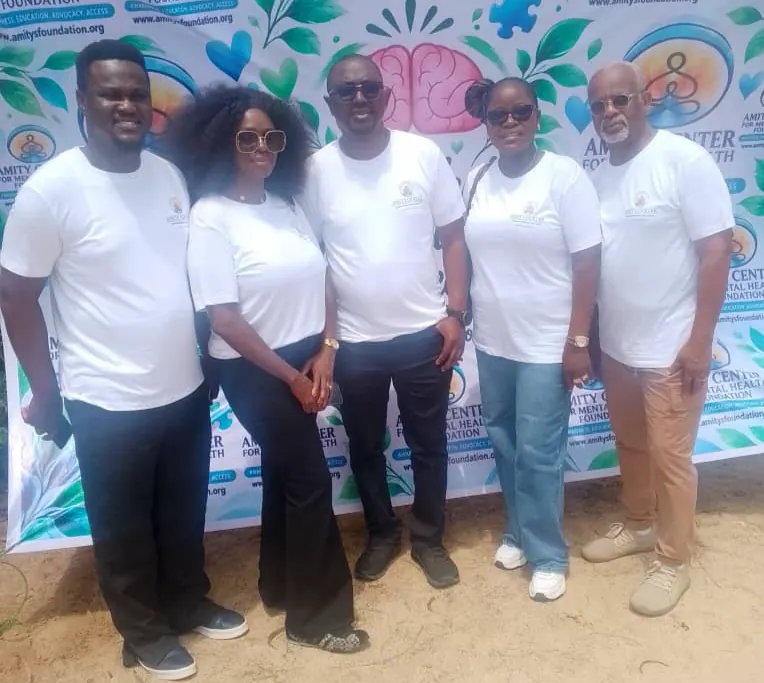
Mental health experts in Nigeria have called on citizens to break the stigma surrounding mental illness and seek professional help when experiencing psychological distress. They warned against the tendency to suffer in silence or attribute mental health conditions solely to spiritual causes. The experts spoke at a community awareness programme organised by the Amity Centre for Mental Health to commemorate World Mental Health Day.
The programme, held at Gracefield Island, Lekki, Lagos, featured a community walk, vital signs checks, and a Pilates session. The event aimed to raise awareness of mental health conditions, eliminate stigma, and connect people experiencing mental health challenges with available support services. Dr. Oluwafunmilayo Ilori, founder of the Amity Centre for Mental Health, said the initiative was designed to promote mental health awareness and provide support to those in need.
Dr. Ilori, who practises in New Jersey, United States, explained that physical and mental health are interconnected and should not be treated in isolation. She said improving public awareness was essential to ensuring that people living with mental health conditions received understanding and appropriate support rather than discrimination. The programme was open to members of the community and aimed to encourage greater understanding of mental illness.
A mental health advocate at the programme urged Nigerians to speak openly about their struggles and seek help when necessary. She described mental health challenges as genuine health concerns that should not attract shame, stressing that people experiencing emotional or psychological difficulties should know that they were not alone. The advocate also expressed concern over the inadequate recognition of postpartum depression in some Nigerian communities.
Dr. Komolafe Ayo identified biological, psychological, and social factors as important contributors to mental health conditions. He explained that biological factors could include genetic predisposition, while psychological factors could involve an individual’s thought processes, ability to cope with stress, and exposure to traumatic experiences. Social circumstances, family relationships, and the availability of support systems could also influence an individual’s mental well-being.
Comrade Gloria Bakare, Founder/Executive Director of Starburg Empowerment Foundation, called for an end to mental health stigma and discrimination. She urged stakeholders to amplify the voices of people with lived experiences and improve access to professional support. Bakare stressed that people with lived experiences of mental health challenges must be actively involved in shaping policies, programmes, and services designed to support their well-being.
Bakare reaffirmed Starburg Empowerment Foundation’s commitment to promoting mental health awareness, empowering vulnerable individuals, and challenging harmful stereotypes. She called on government agencies, healthcare providers, and civil society groups to strengthen collaboration in promoting mental health education and creating safe environments where people can seek help without fear of discrimination. World Mental Health Day is observed annually on October 10 to raise awareness of mental health issues and mobilise efforts to support mental well-being.
Key points
- Mental health experts urge Nigerians to break the stigma surrounding mental illness and seek professional help.
- The Amity Centre for Mental Health organised a community awareness programme to commemorate World Mental Health Day.
- Experts stress that mental health support is a shared responsibility and should be regarded as a fundamental human right.