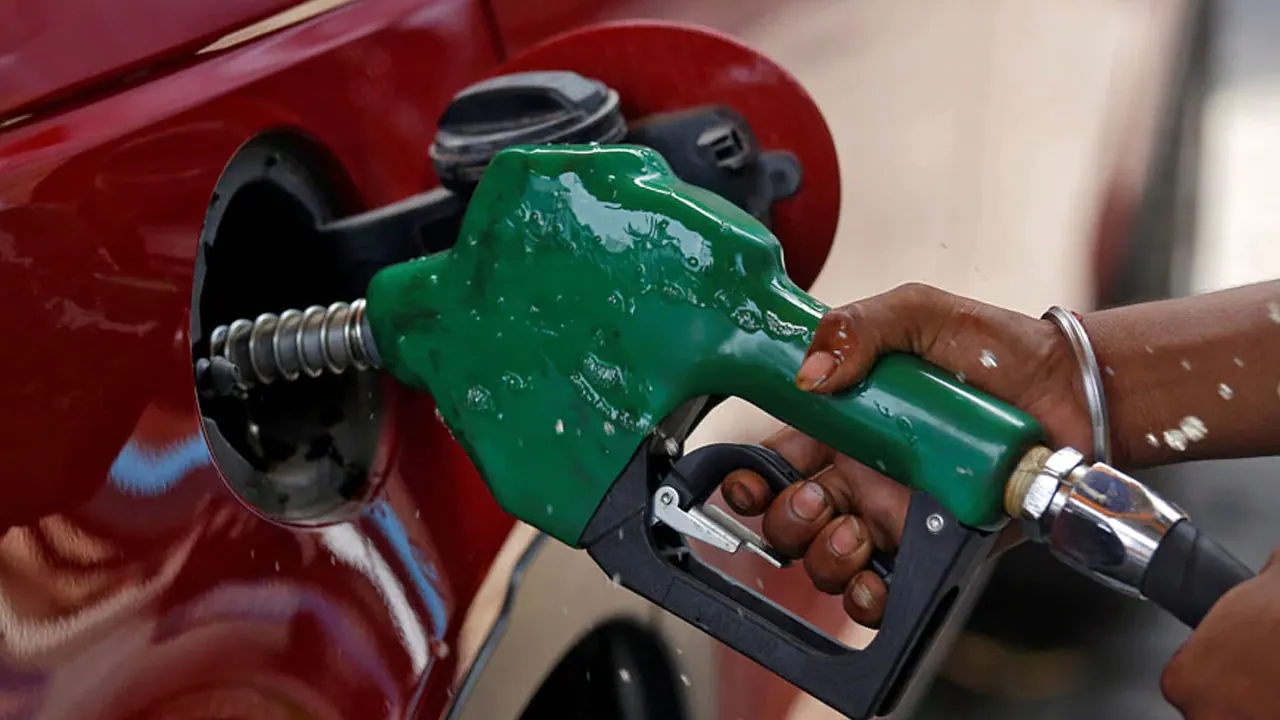
Economists and development experts in Nigeria have expressed concerns over the Federal Government's planned 30-day petrol discount, warning that it may encourage hoarding, trigger scarcity, and provide only temporary relief to Nigerians amid rising fuel prices. The experts argued that the short duration of the intervention could lead to petroleum marketers stockpiling products during the discount period and selling them at higher prices after it expires.
The Federal Government had announced plans to negotiate a ceiling of N1,350 per litre on the ex-gantry or landing cost of petrol as part of efforts to cushion the impact of rising fuel prices. The Minister of Finance and Coordinating Minister of the Economy, Taiwo Oyedele, disclosed this during a press briefing. He also announced a 30-day discount on petrol sold at Nigerian National Petroleum Company Limited (NNPCL) stations, with priority given to public transport operators nationwide.
Dr. Chijioke Ekechukwu, Vice President of the Abuja Chamber of Commerce and Industry and an economist, urged the government to extend the relief beyond 30 days to provide more sustainable support to Nigerians. He identified exchange-rate pressures, high international petroleum prices, and inflation as major factors driving the current economic hardship. Ekechukwu warned that announcing a fixed 30-day window could encourage petroleum dealers to purchase and hoard products rather than sell them during the discount period.
Ekechukwu called on the government to reconsider the duration of the intervention and adopt a more enduring arrangement that would reduce uncertainty in the market. Although he acknowledged that any reduction in petrol prices would provide some relief, he said the government could do more, considering Nigeria's status as an oil-producing country. He added that addressing exchange-rate pressures and rising international oil prices would be critical to achieving a significant reduction in pump prices.
Aliyu Ilias, an economist and development expert, described the planned discount as a subsidy in disguise, arguing that any decision by NNPCL to sell petroleum products below the prevailing cost would require someone to bear the difference. Ilias questioned the sustainability of the intervention, asking what would happen when the 30-day period elapsed. He urged the government to prioritize productive subsidies that support economic activities rather than concentrate primarily on reducing petroleum prices.
The Federal Government has insisted that the proposed petrol price ceiling would not amount to a return to subsidy or price control. Oyedele explained that the N1,350-per-litre ceiling was intended to smooth out price fluctuations rather than suppress market prices. Under the proposed arrangement, refiners and importers would absorb costs above the ceiling and recover them later when crude oil prices or the exchange rate improved.
The Federal Government has maintained that targeted and sustainable relief would be preferable to a blanket subsidy, arguing that the latter would merely shift the cost of fuel from consumers to public finances rather than eliminate it. Oyedele estimated that restoring the pre-reform price would cost more than N20 trillion annually, while fixing petrol at N500 per litre would cost over N16 trillion yearly.
Key points
- Economists warn that Nigeria's 30-day petrol discount plan may trigger scarcity and offer only temporary relief.
- Experts urge the government to prioritize productive interventions that would ease the cost of living.
- The government insists that the proposed petrol price ceiling is not a return to subsidy or price control.