The Ugandan government has raised concerns about the potential disruption to the education of over 200,000 refugee children in the country. According to Minister for Relief, Disaster Preparedness, and Refugees, Sam Engola, the lack of teachers in refugee-hosting districts poses a significant risk to the academic progress of pupils in both primary and secondary education. This situation has arisen due to continued donor cuts in the refugee sector and the failure to support teachers who have been teaching in refugee schools.
Minister Engola emphasized that the affected pupils, including those in their final year and preparing for crucial exams such as PLE, UCE, and UACE, face serious consequences if their education is interrupted. He stressed the need for immediate action to prevent temporary financing challenges from becoming a major disruption to the education of thousands of children. The government's commitment to a long-term solution is crucial, but urgent measures are required to address the current crisis.
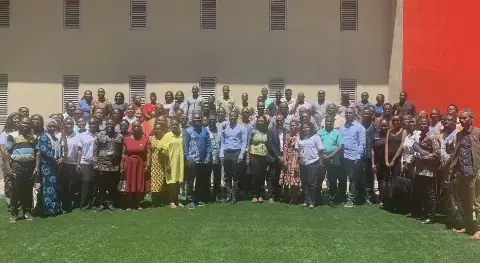
An emergency meeting was convened by Minister Engola on October 6 at the Office of the Prime Minister (OPM) in Kampala to address the situation. The meeting brought together technical staff from the OPM, officials from the Ministry of Education, and representatives from the United Nations High Commissioner for Refugees (UNHCR). The UNHCR country representative to Uganda, Margaret Atieno, acknowledged that Uganda is a model country in managing refugees, but emphasized the need for a different approach to address the situation.
Atieno noted that the humanitarian response to the refugee crisis is no longer effective, given the large numbers of refugees and their prolonged stay in the country. She stressed that a long-term, vulnerable ministerial approach is necessary to sustain the education system. The UNHCR representative urged government partners to continue supporting the education sector to ensure that schools operate effectively and avoid complaints about poor performance in the future.
Dr. Cleophus Mugenyi, the Commissioner for Basic Education at the Ministry of Education, emphasized the need to ensure that teachers remain in schools to avoid ruining the education of the children. He requested development partners to help maintain the education system during this crucial period while the government and the World Bank work towards a long-term financing arrangement.
The crisis in the refugee education sector has significant implications for the future of the affected children. The government's efforts to address the situation are ongoing, with a focus on finding a long-term solution to sustain the education system. The involvement of development partners and international organizations, such as the UNHCR, is crucial in supporting the government's efforts to address the crisis.
The situation highlights the challenges faced by refugee-hosting countries in providing education to vulnerable populations. Uganda's experience in managing refugees has been recognized as a model, but the current crisis underscores the need for sustained support and innovative solutions to address the complex challenges posed by refugee education.
Key points
- Donor cuts have led to a shortage of teachers in refugee-hosting districts, putting over 200,000 pupils at risk of dropping out of school.
- The Ugandan government is working with development partners to find a long-term solution to sustain the education system.
- The crisis has significant implications for the future of the affected children, emphasizing the need for urgent action to prevent disruption to their education.