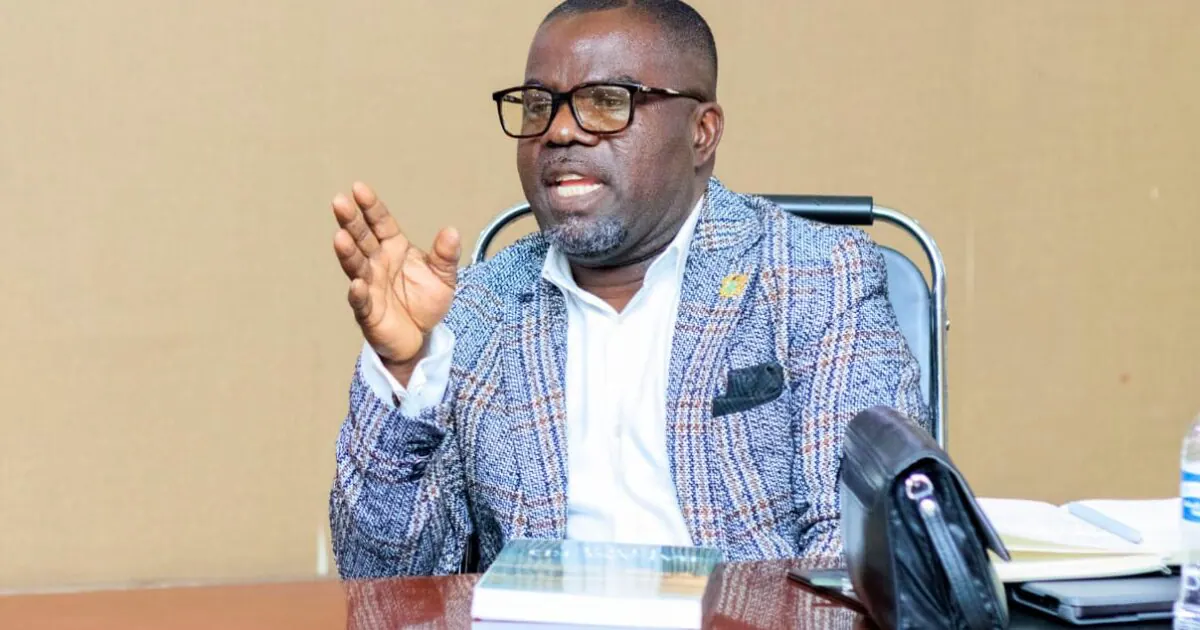
Dr. Maxwell Commey, Chief Executive Officer of Oro Oil Ghana Limited, has urged the government to prioritize smallholder farmers and community-level processing in deploying the $500 million World Bank-supported Oil Palm Development Finance Window. He believes a decentralized approach would spread economic benefits, create jobs, and promote inclusive growth, while strengthening Ghana's palm oil value chain. With over 27 years of industrial experience across Europe and Africa, Dr. Commey argues that a project involving more than 100,000 hectares of plantations and an estimated 300,000 jobs cannot be concentrated in just two regions.
Ghana's palm oil sector is already largely smallholder-driven, accounting for the majority of fresh fruit bunches and a significant share of crude palm oil. Dr. Commey stated that the $500 million World Bank facility presents a historic opportunity to build on this foundation by decentralizing production and processing. As a former two-term Board Member of the Tree Crops Development Authority (TCDA) and National Executive Member of the Oil Palm Development Association of Ghana (OPDAG), Dr. Commey emphasized that the facility should support commercial viability, employment, smallholder inclusion, and development across the value chain.
Dr. Commey proposed allocating 70% of the financing to existing mills, based on their capacity, and 30% to smallholder and outgrower schemes. He believes that strengthening existing mills while supporting smaller producers would help expand processing capacity, improve smallholder incomes, and create employment opportunities, particularly for women and rural youth. This approach could stimulate economic activity across various regions, including the Western, Central, Ashanti, Eastern, Volta, and Oti regions, as well as parts of Bono East and Ahafo.
Decentralization could accelerate implementation within the planned 10-year period by enabling stronger community partnerships and improving access to land for sustainable plantation development. Other potential benefits include improved food security, reduced dependence on imported palm oil, and lower foreign exchange pressures. Processing fresh fruit bunches closer to farms could also reduce transportation costs and post-harvest losses while improving oil quality.
Dr. Commey suggested that modern, energy-efficient local processing technologies, including biogas systems, could reduce smoke pollution and emissions while improving yields on existing farmland. A dispersed network of farmers and processors would also be more resilient to disruptions and support balanced regional development by keeping value addition within rural communities. The World Bank-backed facility could finance community mills, smallholder partnerships, rural infrastructure, and cleaner processing technologies.
Dr. Commey emphasized that the approach aligns with the National Policy on Integrated Oil Palm Development, which seeks to expand sustainable production, create jobs, and position Ghana as a regional palm oil hub. He called on the government, the TCDA, Development Bank Ghana, and private-sector players to prioritize inclusive, decentralized models in deploying the facility. Oro Oil Ghana Limited remains committed to sustainable palm oil production, stakeholder partnerships, and national development.
Oro Oil Ghana Limited is an integrated agro-industrial company specializing in oil palm cultivation and processing. The company, a multiple award-winning crude palm oil exporter, has created over 300 direct and indirect jobs while advancing sustainable agro-industrial practices in the Eastern Region. It aims to become a leading sustainable palm oil producer in West Africa.
Key points
- Dr. Maxwell Commey urges the government to prioritize smallholder farmers and community-level processing in deploying the $500 million World Bank-supported Oil Palm Development Finance Window.
- A decentralized approach could spread economic benefits, create jobs, and promote inclusive growth while strengthening Ghana's palm oil value chain.
- Dr. Commey proposed allocating 70% of the financing to existing mills and 30% to smallholder and outgrower schemes.